Why Wollongong's Coastal Winds Make Regular Tree Pruning More Important Than You Think
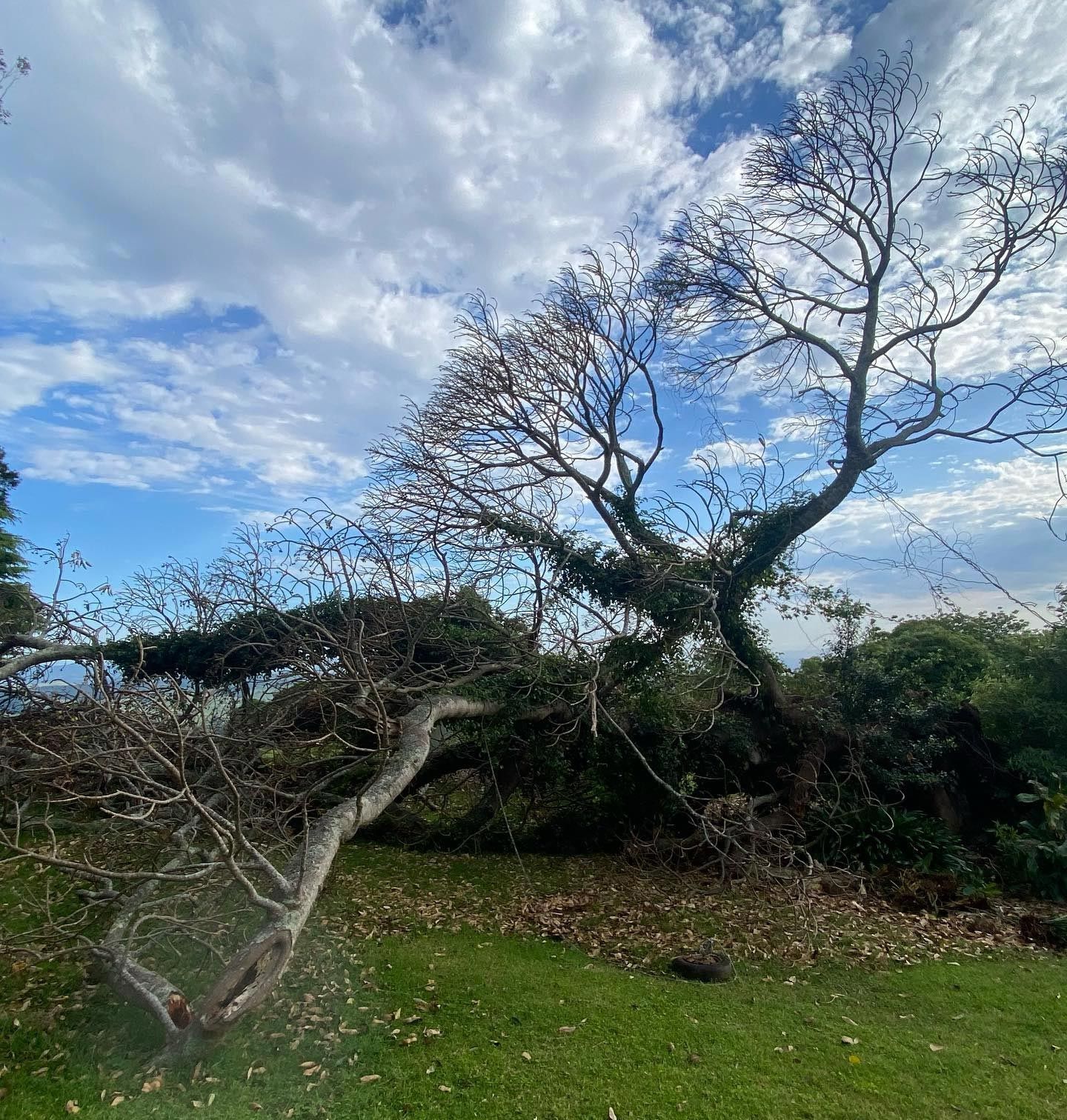
Most homeowners think of tree pruning as an aesthetic job — something you do when a tree is starting to look overgrown or is blocking a view. In Wollongong, that framing misses the more important reason to keep trees maintained. Crown thinning Wollongong arborists recommend, dead wooding Wollongong properties need before storm season, and overall coastal tree care NSW homeowners often underestimate — these are tree safety Illawarra professionals consider essential, not optional extras. The risk of storm damage trees Wollongong experiences each year makes this even more pressing for homeowners with mature trees on exposed properties.
How Wollongong's Coastal Climate Puts Extra Stress on Your Trees
Trees growing in sheltered inland environments experience relatively stable conditions — consistent soil moisture, moderate wind exposure and predictable seasonal change. Trees in Wollongong's coastal and escarpment suburbs experience none of that. Salt air from the Tasman accelerates the deterioration of bark and branch attachments. Southerly busters and regular coastal winds impose dynamic loading on the canopy throughout the year.
Humid summers promote rapid growth that can leave canopy structure weaker than it appears. Dry spells create moisture stress that disproportionately affects exposed trees in shallow escarpment soils. The result is that trees in this environment can develop structural weaknesses faster than the same species growing inland — and those weaknesses are often not visible until a strong wind event forces them to show.
Southerly Busters and Strong Coastal Winds: Why Dense Canopies Are Vulnerable
A southerly buster — the rapid weather change that brings cool southerly winds to the NSW coast — is one of the most abrupt wind events in the Australian coastal climate. Wind speeds can increase significantly within minutes, and the direction change catches dense canopies unprepared. A tree with a dense, unmanaged canopy acts like a sail. When wind hits a full canopy, the force is transmitted directly into the branch structure and root system.
In trees with sound structure this is manageable. In trees with included bark at branch unions, decay in the main stem or previously damaged root systems, that force can be enough to cause branch failure or, in extreme cases, whole-tree failure. Crown thinning — the selective removal of branches to reduce canopy density — lets wind pass through rather than push against the canopy, reducing that force and lowering the risk of branch failure during wind events.
Salt-Laden Air Off the Tasman and How It Weakens Branch Attachments Over Time
Salt air is a well-documented stressor for coastal vegetation. The fine salt particles carried on sea breezes cause desiccation and damage to leaf surfaces, interfere with bark tissue, and over time weaken the attachment points between branches and the main stem. Branch union failure — where a branch breaks away from the trunk rather than breaking mid-branch — is one of the most dangerous outcomes of wind damage because these failures typically involve large sections of the tree, and the structural weakness is often internal and not visible from the ground.
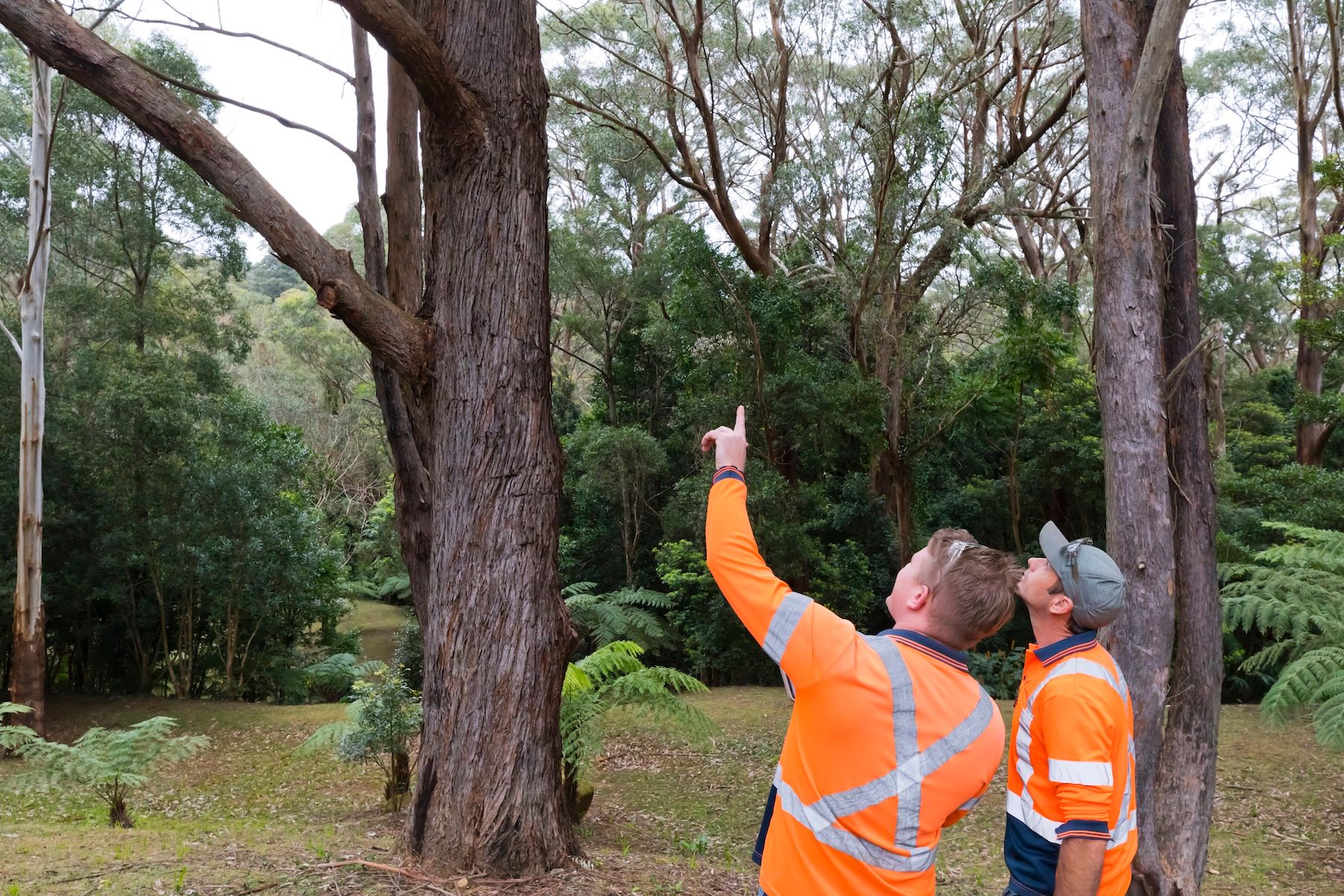
In species commonly planted in Wollongong's coastal suburbs — eucalypts, brush box, Bunya pines, native figs — salt exposure accelerates the development of included bark at branch unions. Included bark is a condition where bark grows into the union rather than forming a strong wood collar, creating a natural weak point. Regular inspections by a qualified
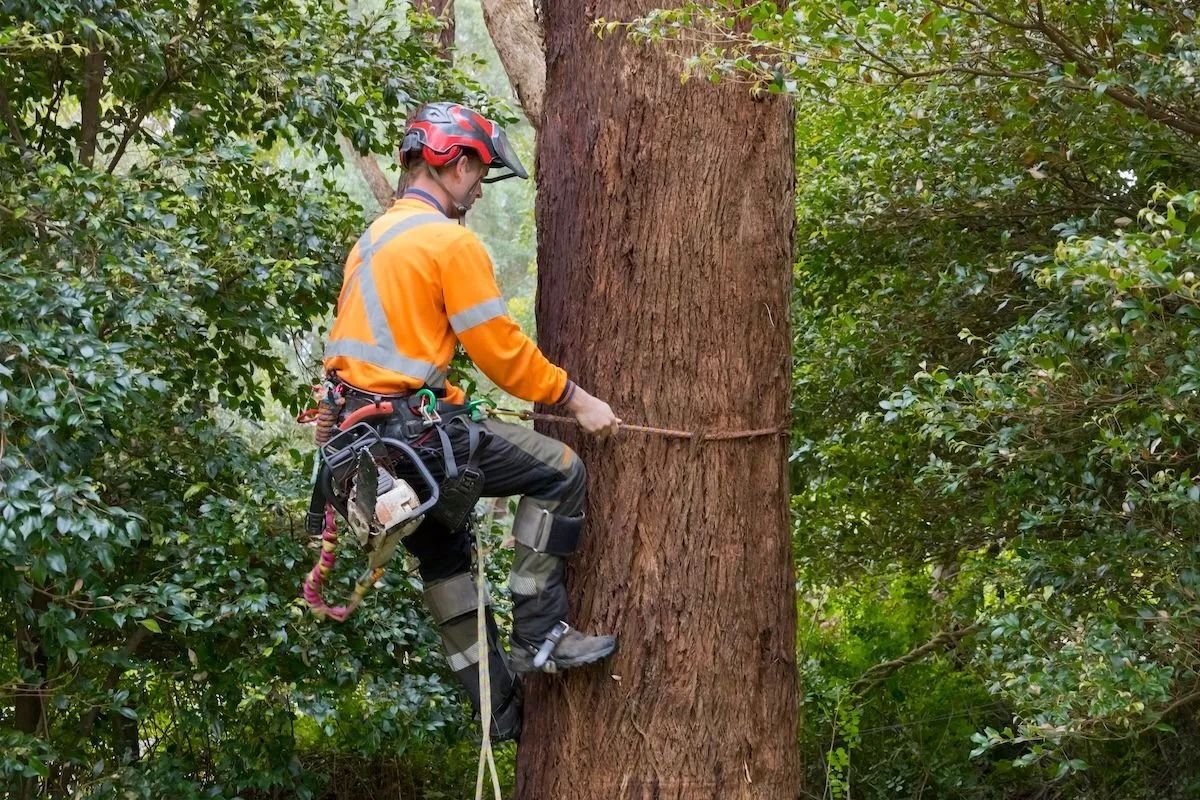
arborist Wollongong and coastal suburbs rely on can identify these unions and assess whether the branch should be removed before it becomes a hazard.
Humid Illawarra Summers, Rapid Growth and Disease Pressure
Wollongong's climate sits in a zone where summer rainfall and humidity can be substantial. This creates conditions that support rapid tree growth during the warmer months — which sounds positive but comes with a structural trade-off. Rapid growth driven by moisture and warmth can produce long, vigorous branches that are not well-supported by the wood formed earlier in the tree's life. These branches can be structurally weaker than their size suggests, and the weight at the end of a long, weakly attached branch is a lever arm working against the union holding it to the tree.
The same humidity that drives rapid growth also creates conditions for fungal decay, which compromises wood strength from within. Techniques such as sounding the wood or using specialist inspection equipment allow an arborist to assess the extent of decay that a ground-level look cannot detect.
Crown Thinning: Letting Wind Pass Through the Canopy Instead of Pushing Against It
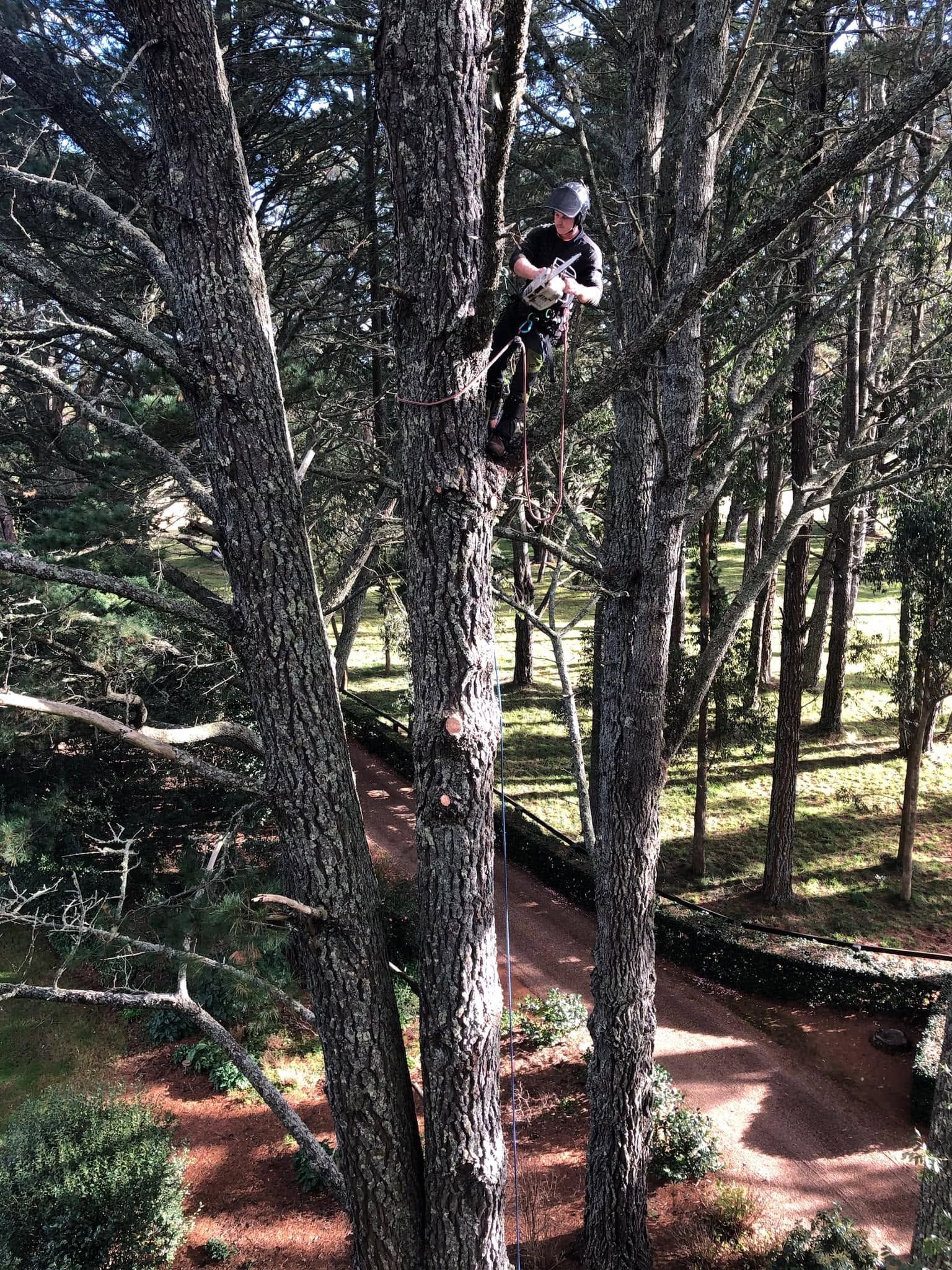
Crown thinning is one of the two most important pruning interventions for coastal trees. Carried out to Australian Standard AS 4373, it involves the selective removal of branches from within the canopy to reduce density while maintaining the tree's overall form and leaf area. The goal is not to make the tree smaller but to create a canopy that wind can pass through. The result is a meaningful reduction in wind load on the tree's structure during high-wind events without compromising its health or removing more than the recommended proportion of live crown.
Done correctly, crown thinning also improves light penetration through the canopy and reduces the opportunity for fungal pathogens to persist in a dense, humid interior.
Regular
tree pruning Wollongong coastal property owners arrange reduces wind load in the canopy and removes dead branches most likely to fail in a storm — making it one of the most practical investments a homeowner with coastal trees can make ahead of storm season.
Dead Wooding: Removing the Brittle, Dead Branches Most Likely to Drop
Dead wooding is the removal of dead, dying and structurally compromised branches from the canopy. It is the second critical intervention for coastal and exposed trees, and it is often more urgent than crown thinning. Dead branches retain moisture, provide entry points for decay and insects, and — critically — do not flex and absorb force the way live branches do. A dead branch hit by a gust of wind is far more likely to break and fall than an equivalently sized live one, because dead wood is brittle and has no capacity to bend under load.
In coastal trees subject to salt damage, wind stress and disease pressure, dead wood accumulates faster than in sheltered inland trees. Dead branches in the upper canopy are often the first to come down in a strong southerly event, and they do not fall predictably. For homeowners with large trees near houses, sheds, fences or areas where people spend time, dead wooding is the removal of the most immediate hazard in the tree.
Higher-Risk Coastal and Escarpment Suburbs
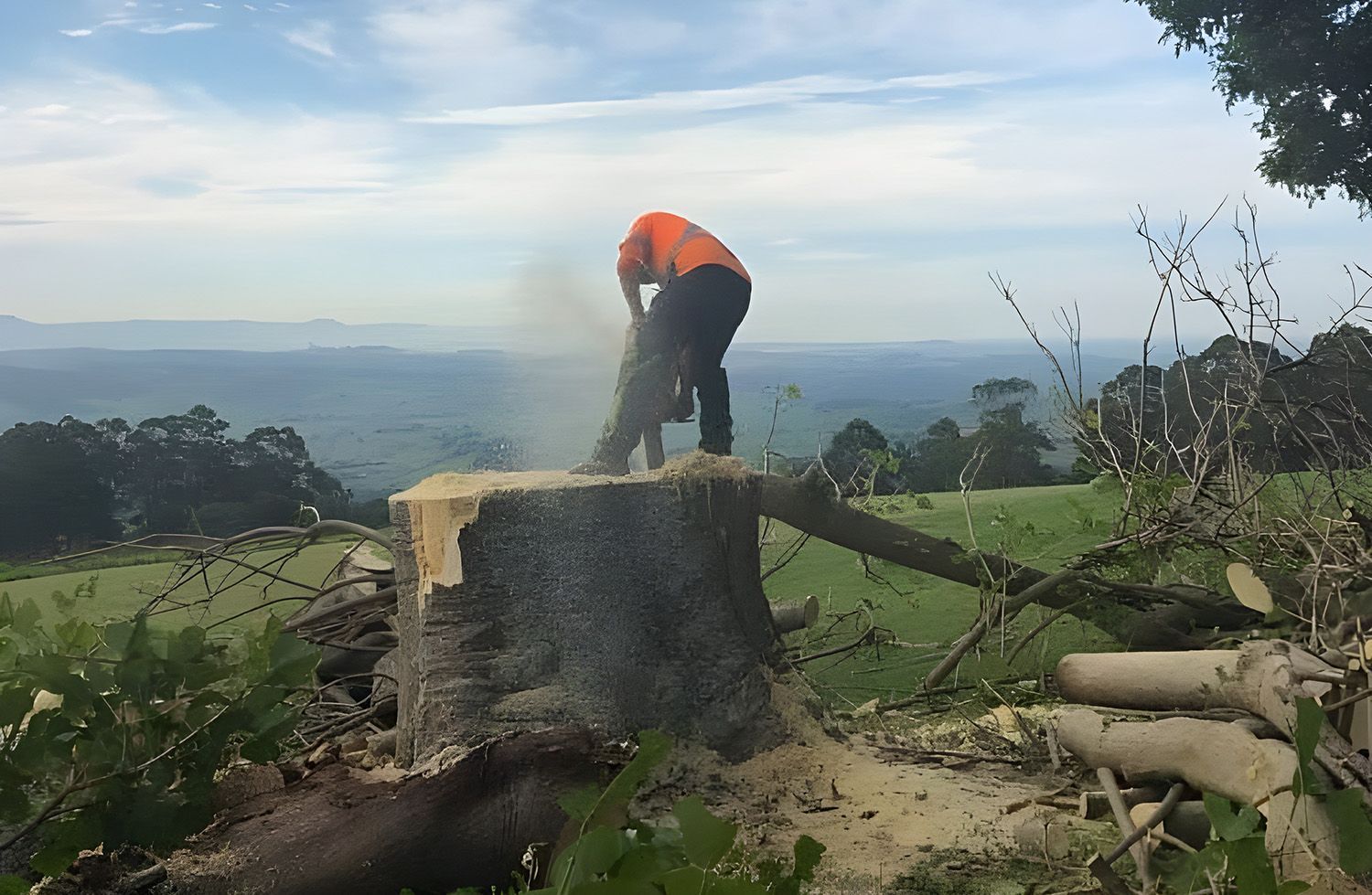
Exposure to wind and salt air is not uniform across Wollongong. The escarpment and beachfront suburbs experience substantially greater exposure than more sheltered inland areas. Suburbs including Austinmer, Thirroul, Coledale, Scarborough and Stanwell Park sit either on the escarpment or immediately adjacent to the coast. Trees in these locations may be exposed to direct ocean wind on multiple faces, grow in shallower soils over rock — which limits root anchorage — and experience the full effect of salt spray and coastal weather events. In these suburbs in particular, mature trees that have not been assessed and maintained by a qualified arborist represent a meaningful risk to the properties beneath them, particularly heading into storm season. Where a tree is already storm-damaged or structurally unsound,
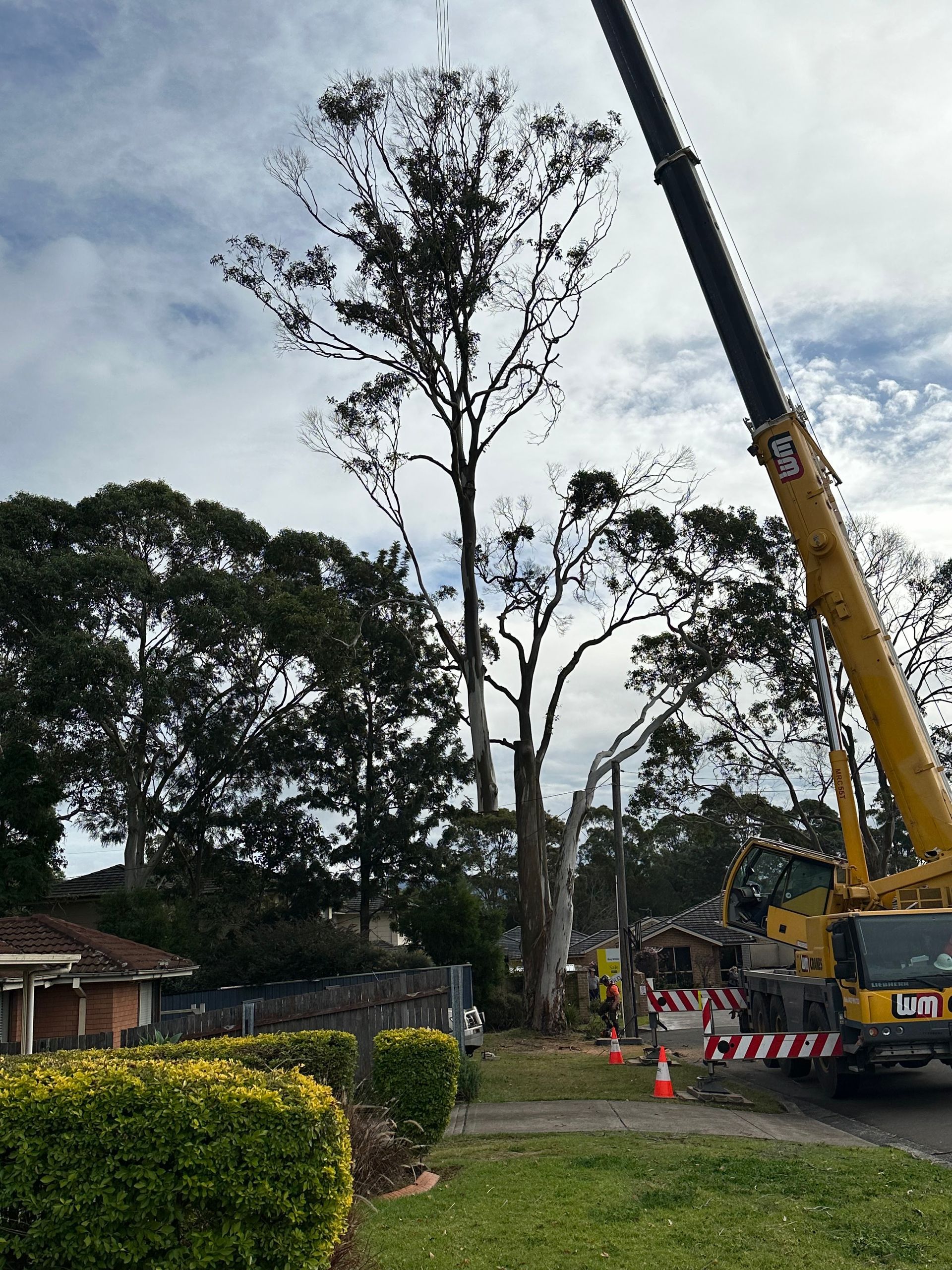
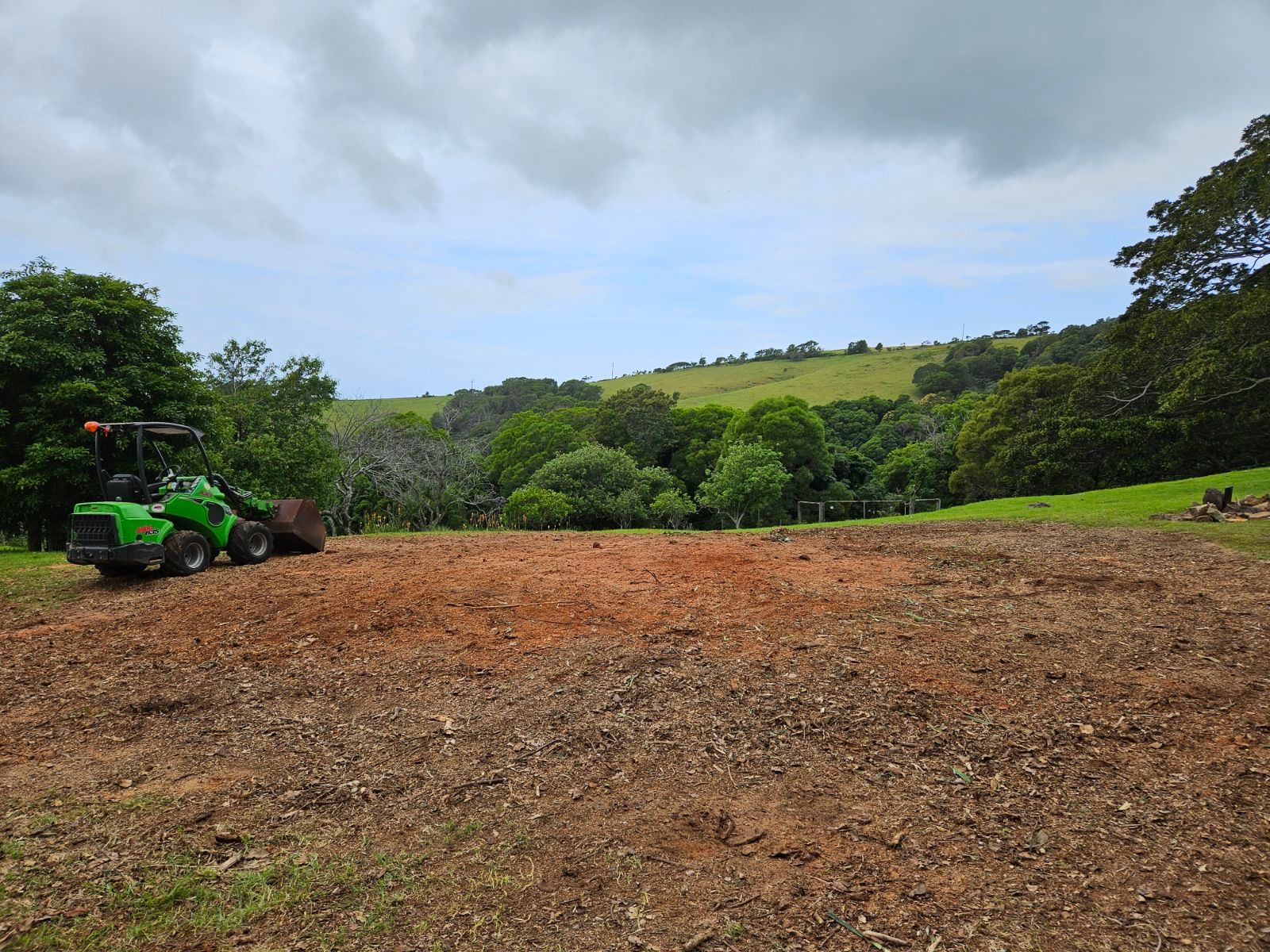
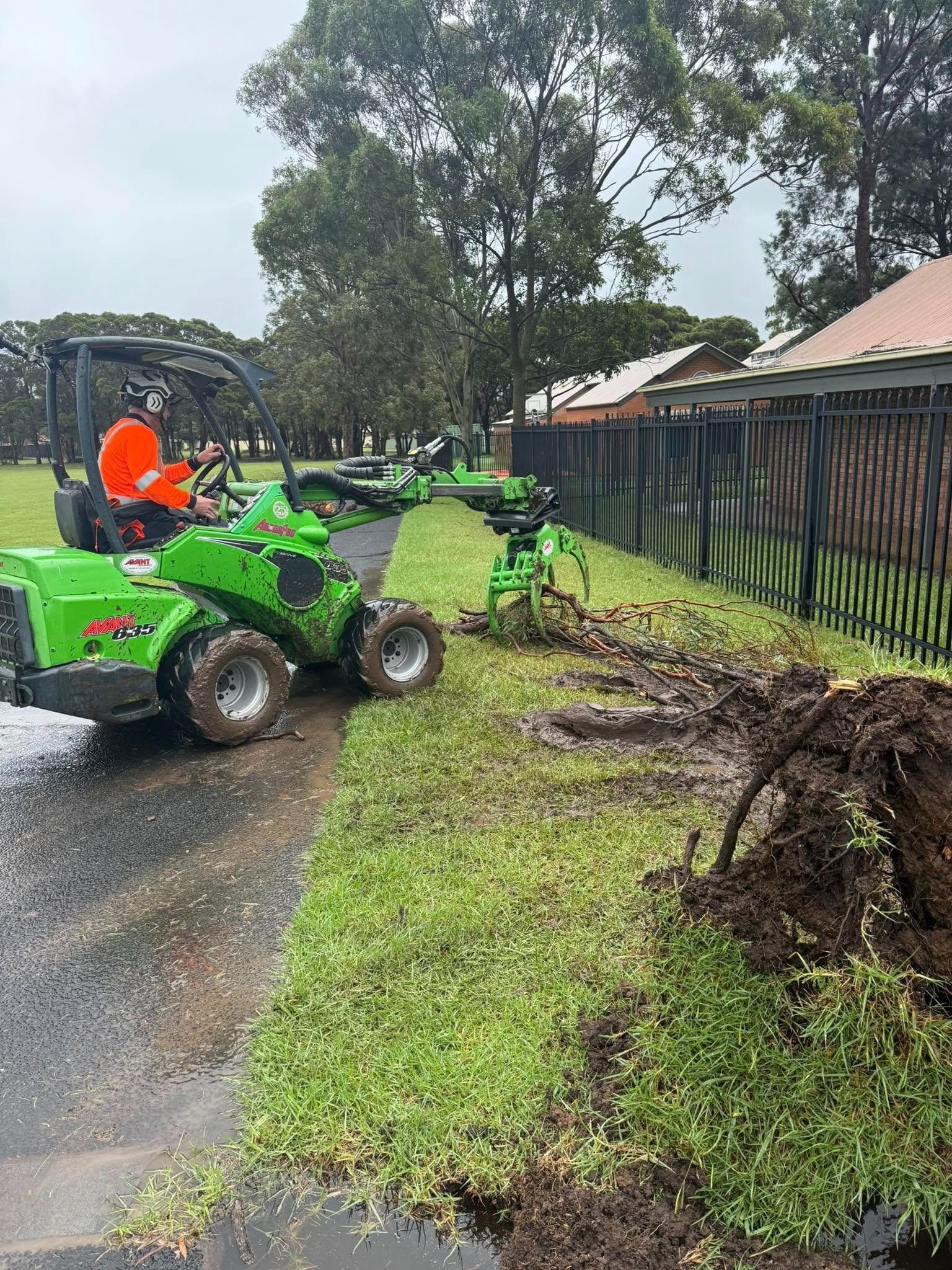
tree removal in Wollongong may be the safer choice — a determination best made by an arborist who has assessed the tree on-site.
Pruning as Proactive Safety, Not Just an Aesthetic Job
The framing that matters for homeowners with coastal trees is this: pruning is not remedial work done after something has gone wrong. It is proactive risk management carried out while there is still time to reduce the hazard before a wind event tests the tree's structure. A branch adequately supported under normal conditions may fail under a sustained southerly buster. A crown that looked manageable during the dry season becomes a full sail when summer storms arrive with it in full leaf. The time to address these things is before the season changes.
Booking a Qualified Arborist Before Storm Season
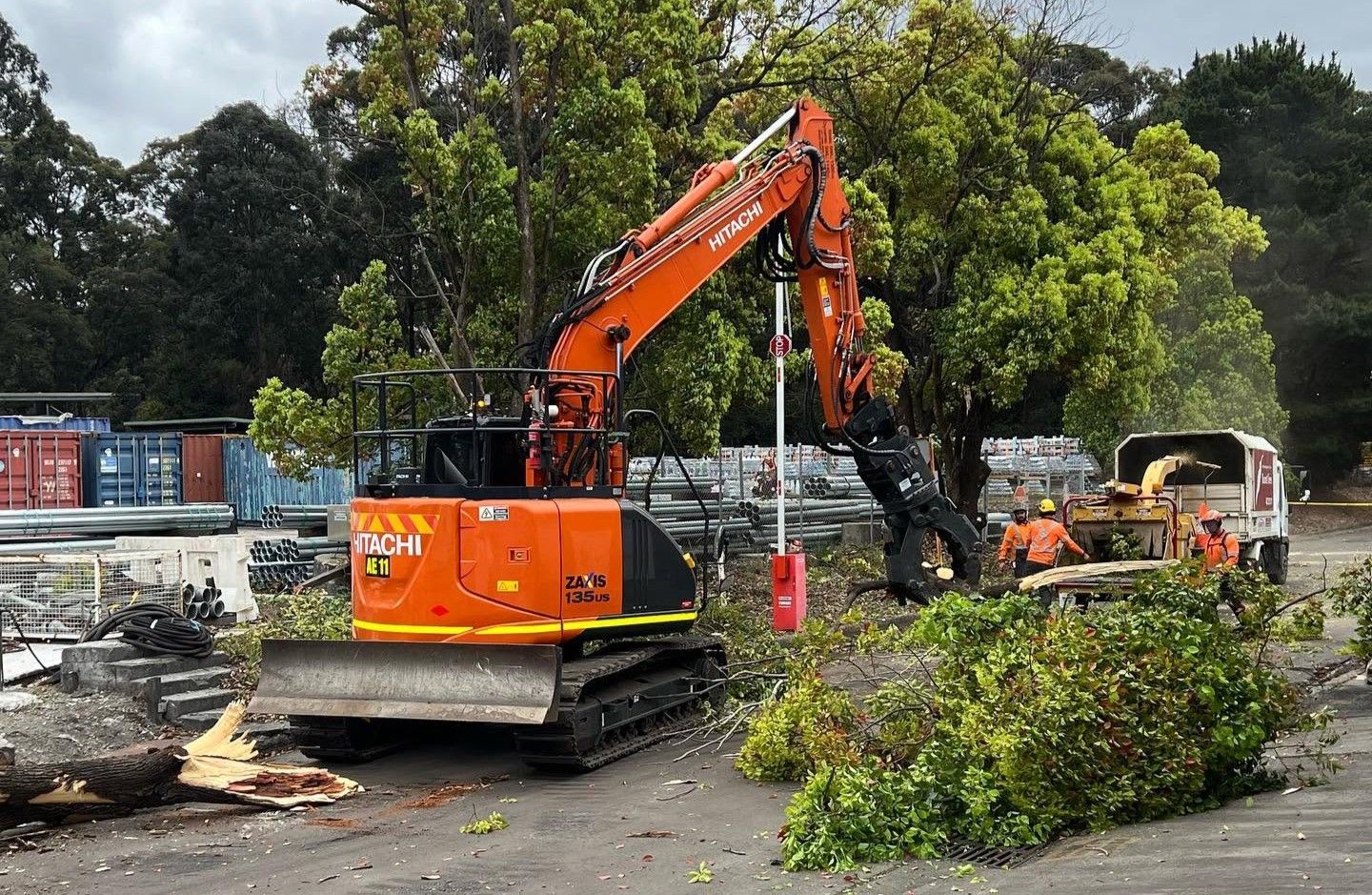
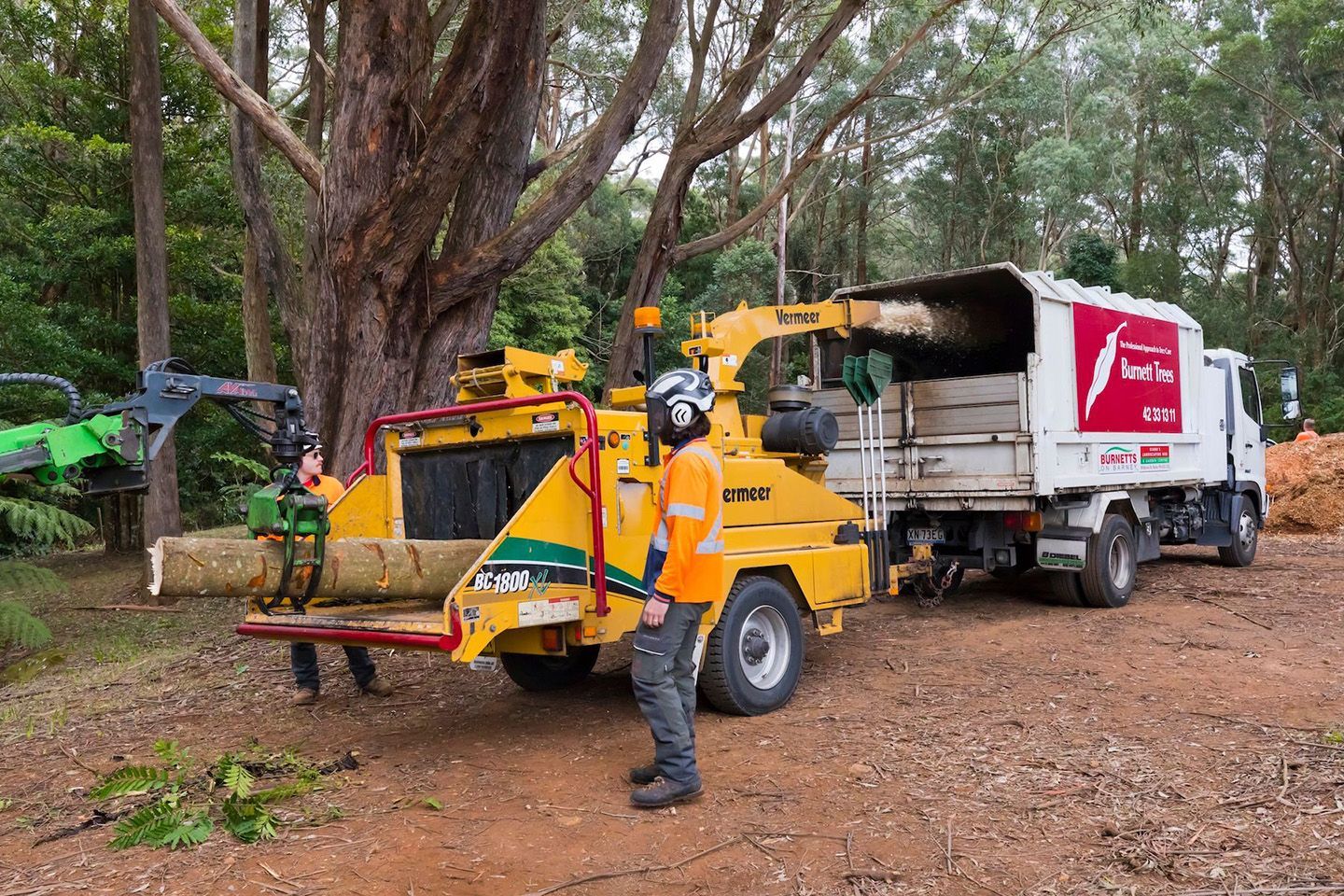
At Burnett Trees, we provide tree pruning, crown thinning and dead wooding across Wollongong and the Illawarra, including the coastal and escarpment suburbs where trees face the greatest wind and salt exposure. Our qualified arborists carry out pruning work to AS 4373 and our team is available for free quotes and 24-hour emergency response.
If you have mature trees on your property and have not had them assessed recently, now is the right time — not after the first southerly buster of the season. Call us on (02) 4233 1311 or visit our website to book your free consultation.