What Is The Difference Between Tree Lopping And Tree Pruning?
The terms tree lopping and tree pruning are often used interchangeably, but they describe very different practices with very different outcomes for the health of a tree. One is a recognised arboricultural technique used to manage tree structure and promote long-term health. The other is a more aggressive form of cutting that, while sometimes necessary, carries real risks if applied without understanding the consequences.
For Wollongong homeowners, landlords and property managers trying to work out what their trees actually need, understanding the distinction is a practical starting point before calling anyone out to do the work.
What Is Tree Pruning?
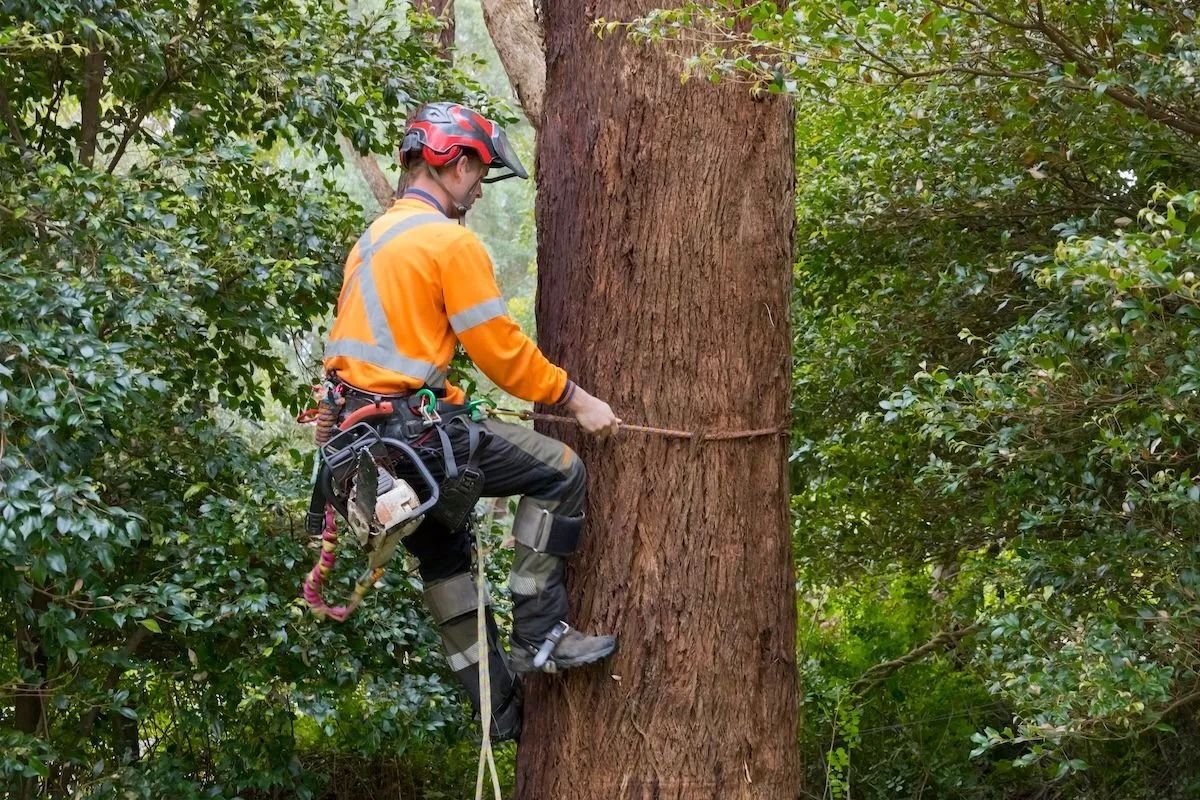
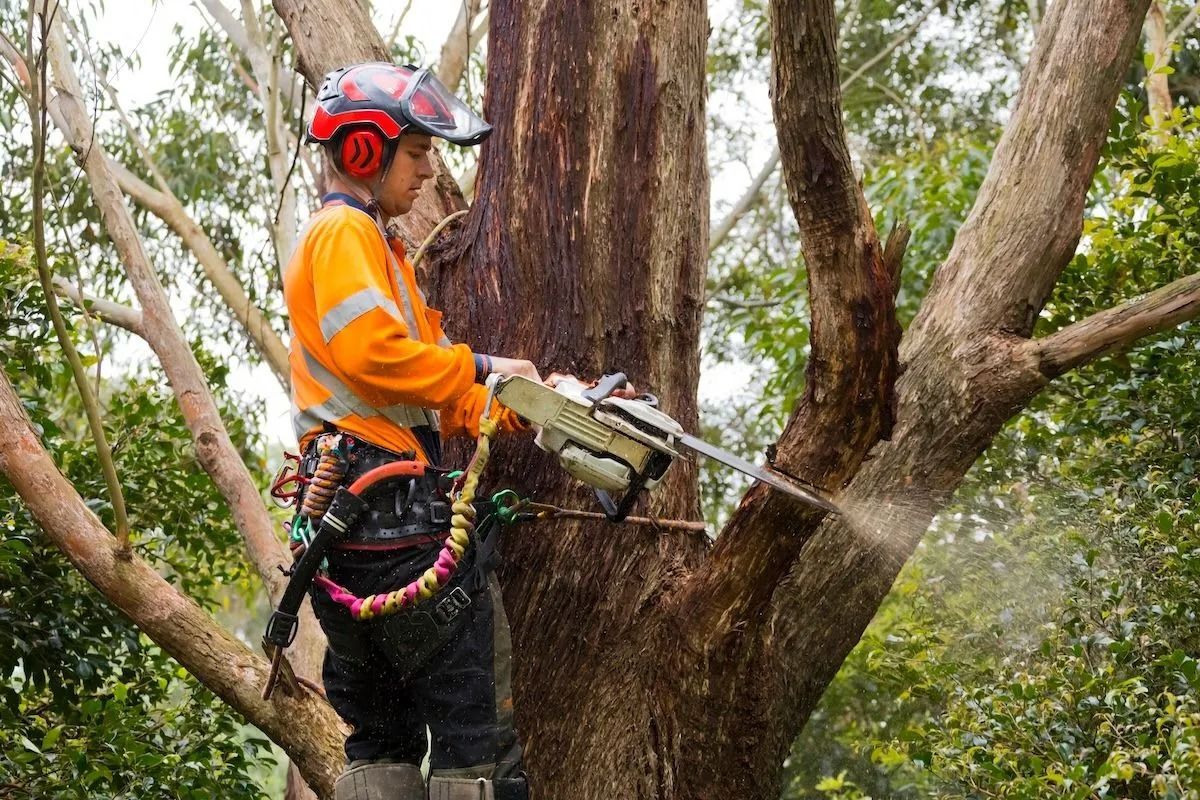
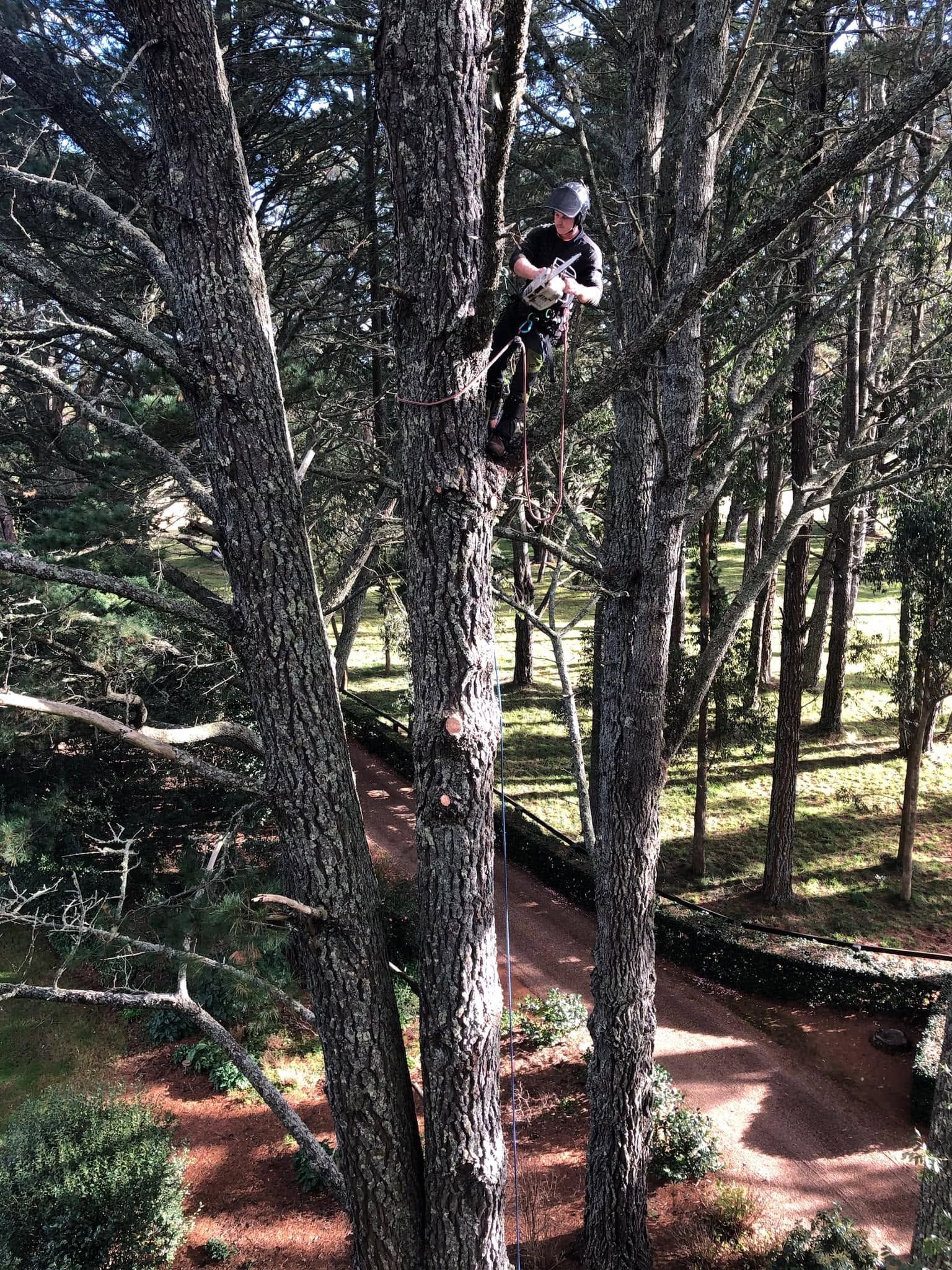
Tree pruning is the selective removal of specific branches to achieve a defined outcome — whether that’s improving the tree’s structural form, removing dead or diseased wood, reducing density to allow light and airflow, or managing growth away from structures and powerlines. Pruning cuts are made at specific points — at branch junctions or collars — in a way that allows the tree to compartmentalise and seal the wound naturally.
When carried out correctly by a qualified arborist, pruning works with the tree’s own biology. The cuts are calculated to minimise stress, reduce the risk of disease entry and preserve as much of the healthy canopy as the objective requires. A well-pruned tree typically shows no visible sign of having been worked on within a season or two, as the remaining canopy fills the space.
What Is Tree Lopping?
Tree lopping refers to the indiscriminate cutting back of large portions of a tree — typically removing the main branches or the upper canopy with little regard for where the cuts are made in relation to the tree’s structure. The result is a tree with large exposed wounds, significantly reduced canopy and stumps of branches left protruding from the main scaffold.
Lopping is sometimes used as a catch-all term for any form of tree cutting, but in an arboricultural context it has a specific meaning that distinguishes it from proper pruning. The outcomes of lopping include:
- Large wounds that the tree cannot easily seal, creating entry points for fungal decay and insects
- Rapid, dense regrowth of epicormic shoots from latent buds, which are structurally weak and prone to failure
- Significant stress to the tree’s vascular system from the sudden removal of a large proportion of its canopy
- A deteriorating structural profile over time, as the weakly attached epicormic growth becomes heavier and more liable to fail
Why Lopping Is Sometimes Confused with Necessary Work
The confusion between lopping and pruning partly stems from the fact that both involve cutting branches, and the immediate visual result can look similar to an untrained eye. It also stems from the fact that lopping is often offered at a lower price by operators who lack formal arboricultural training, which can make it appear to be a cost-effective alternative to qualified tree services.
In Wollongong and across the Illawarra, trees that have been lopped are a common sight — the blunt-ended stubs and dense epicormic regrowth around old cut points are a recognisable pattern. A tree that has been lopped repeatedly often ends up structurally weaker than before the work was done, requiring intervention sooner rather than later.
When Is Lopping Actually Appropriate?
There are circumstances where significant branch removal — sometimes described as lopping — is the appropriate course of action, but these are specific situations rather than a general maintenance approach.
Situations where heavy removal may be justified include:
- Immediate hazard reduction where a tree or major branch poses an urgent risk to people or property and the structural concern outweighs the cost to the tree’s health
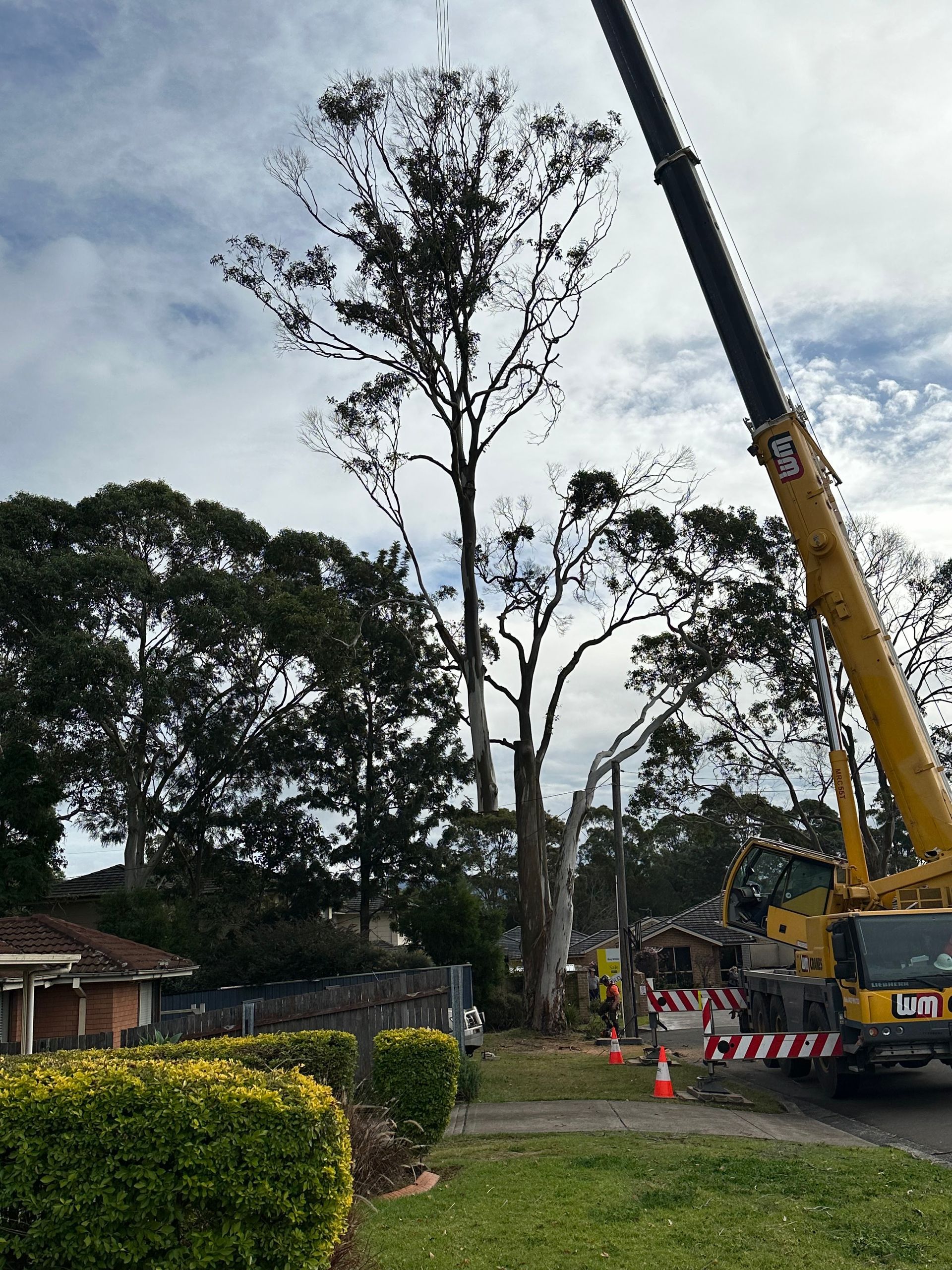
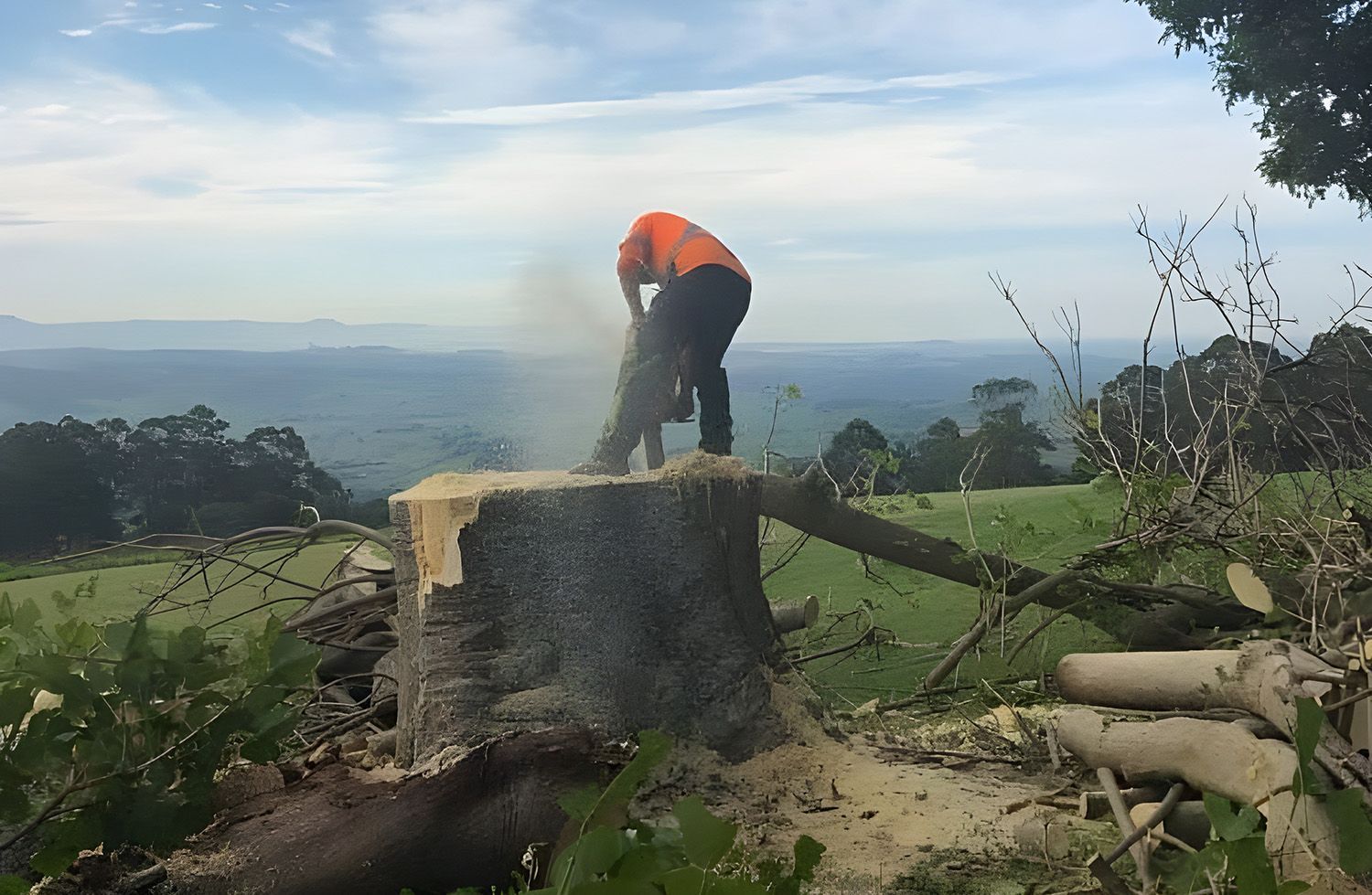
- Preparatory work before removal, where the canopy is being reduced in stages prior to full tree removal
- Some utility line clearance situations where the proximity of powerlines requires cutting that wouldn’t be made in a purely arboricultural context
In these cases, the work is planned and purposeful rather than a default approach to reducing tree size. The distinction matters: the same physical cut made for the right reason by a qualified operator is a very different outcome to the same cut made without an arboricultural assessment.
The Long-Term Impact on Tree Health
A tree that has been pruned correctly is generally healthier, more structurally sound and longer-lived than one that has been repeatedly lopped. Pruning removes specific wood for specific reasons and leaves the tree with the capacity to respond and recover. Lopping removes the tree’s ability to photosynthesise effectively in the short term and creates multiple large wounds simultaneously.
For Wollongong properties with mature trees — which are often subject to council tree preservation orders or located where they contribute significant amenity value — maintaining tree health through correct pruning practices is a meaningful investment. A tree that deteriorates due to poor work may reach a point where removal becomes the only option, which is both a loss for the property and often a more significant cost.
How to Tell Which Service Your Tree Actually Needs
When assessing what work a tree on your property requires, a few practical questions help narrow down the right approach:
- Is the goal to maintain the tree’s health and shape over the long term? — This points toward structured pruning by a qualified arborist
- Is there dead, diseased or crossing wood that needs to be removed? — Pruning is the appropriate response
- Is the tree creating a clearance issue with structures, fences or utilities? — A qualified arborist can carry out targeted removal while preserving the tree’s structural integrity
- Is the tree structurally compromised or presenting a risk? — A professional assessment will determine whether pruning, structural support or removal is the right course
- Is the tree being reduced before removal? — This is the appropriate context for heavier work
Choosing the Right Tree Service in Wollongong
The difference in outcome between a qualified arborist and an unqualified operator is significant, particularly for larger or more complex trees. Qualifications to look for include a Certificate III in Arboriculture as a minimum, and a Certificate IV or higher for more complex assessments and climbing work. A current certificate of insurance for public liability and workers’ compensation is also non-negotiable for any contractor working on your property.
For tree services in Wollongong — whether you need a professional assessment, pruning, hazard management or tree removal in Wollongong — working with a qualified, insured operator protects both your trees and your property.
Talk to Burnett Trees About Your Wollongong Property
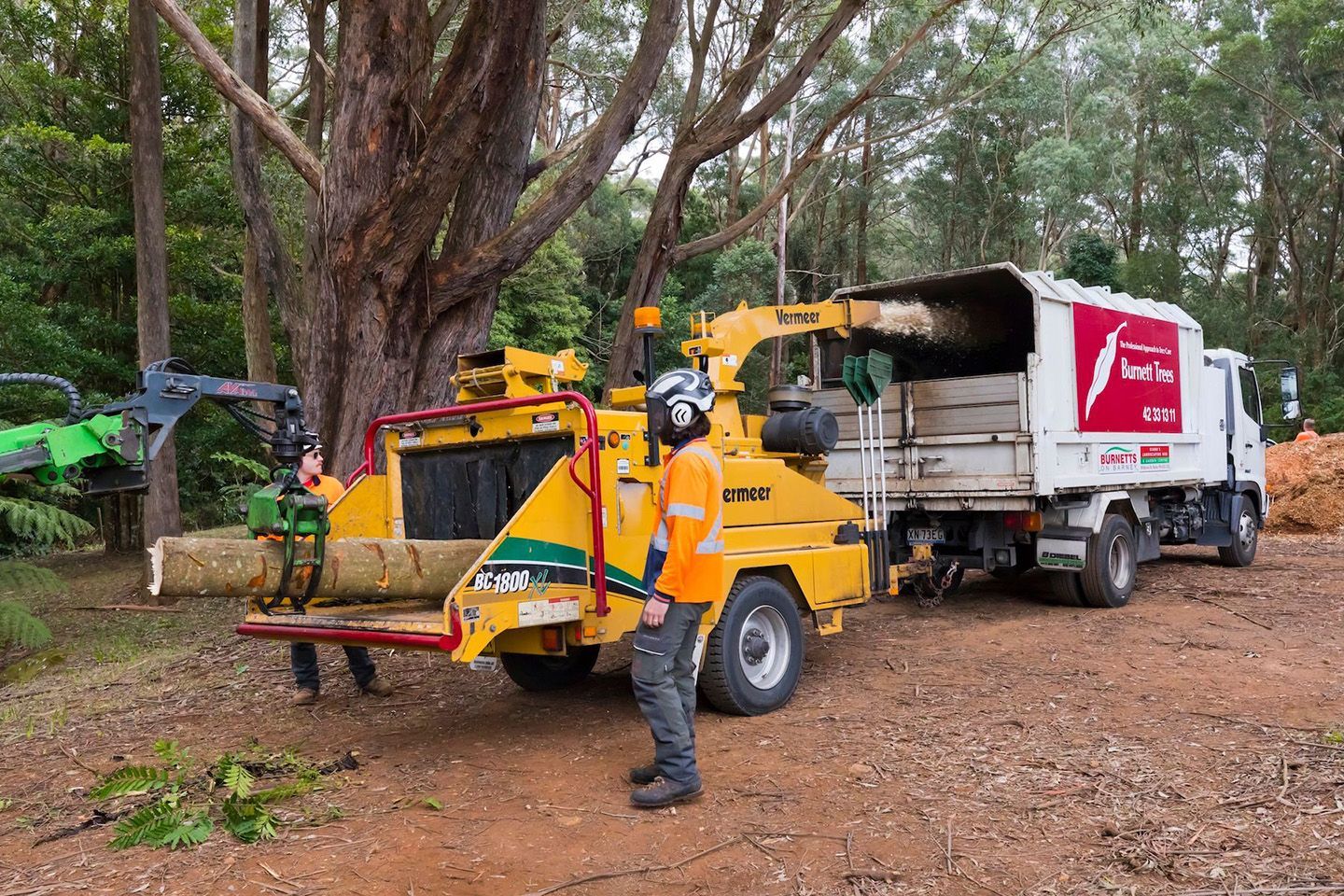
Burnett Trees provides professional tree services across Wollongong and the Illawarra, including pruning, hazard assessments, and tree removal. If you’re unsure whether your trees need pruning, a structural assessment or removal, our team can assess the situation and recommend the right course of action for the health of the tree and the safety of your property.