How Does Professional Tree Pruning Improve Tree Health & Safety?
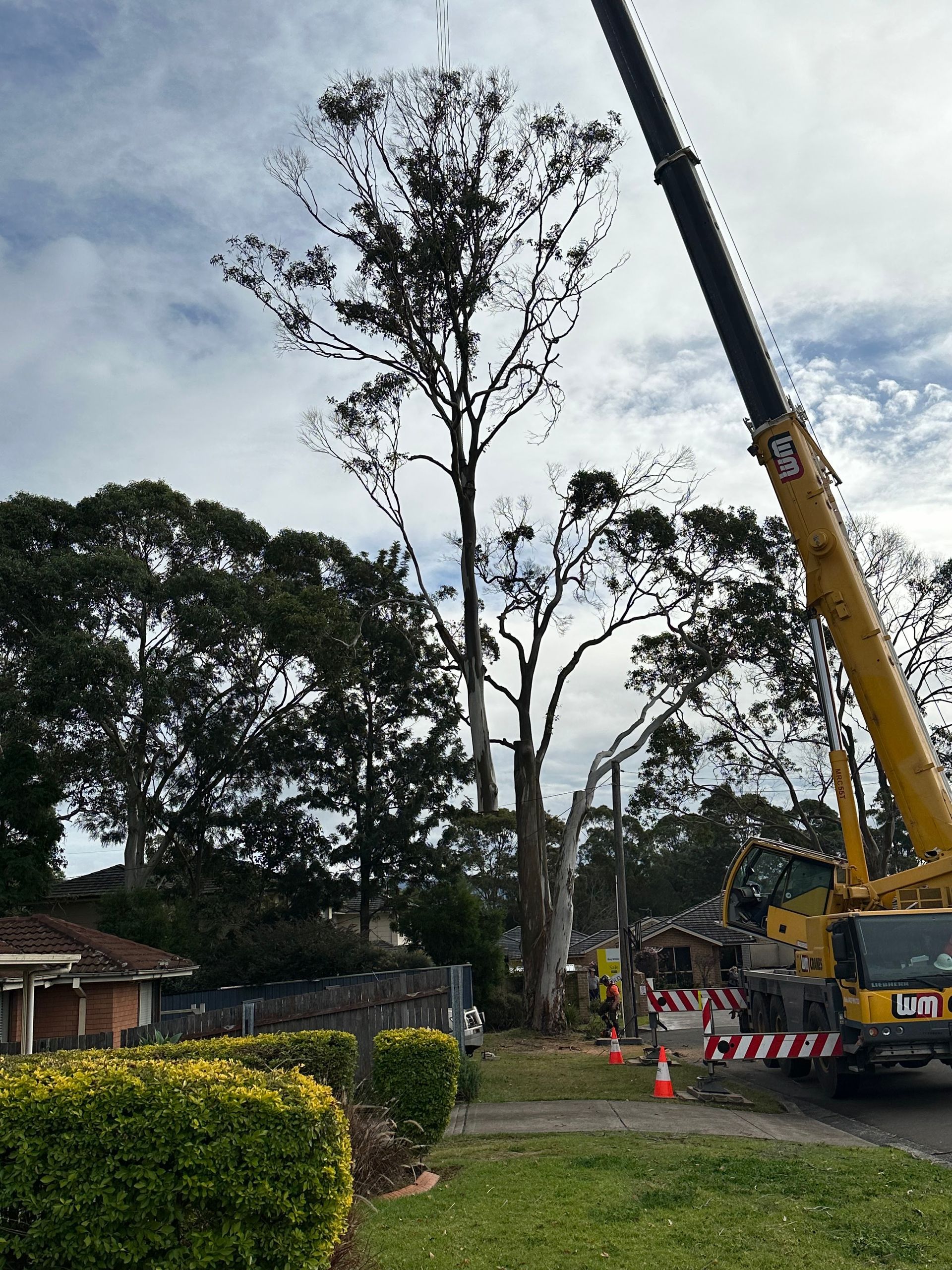
Professional tree pruning in Wollongong improves tree health and safety by removing weak, dead or diseased limbs before they cause structural failure, opening the canopy for better airflow and light penetration and correcting growth patterns that could otherwise lead to storm damage or property risk. For homeowners and businesses across Wollongong and Kiama, regular pruning is one of the most effective ways to protect both the tree and everything around it.
Trees don't announce when something is wrong. A crack forming inside a limb, a fungal infection spreading through the heartwood or a co-dominant stem under stress can all develop quietly until the moment they fail. That's what makes tree pruning Wollongong property owners rely on so valuable – it catches these problems early, while they're still manageable.
What is Professional Tree Pruning?
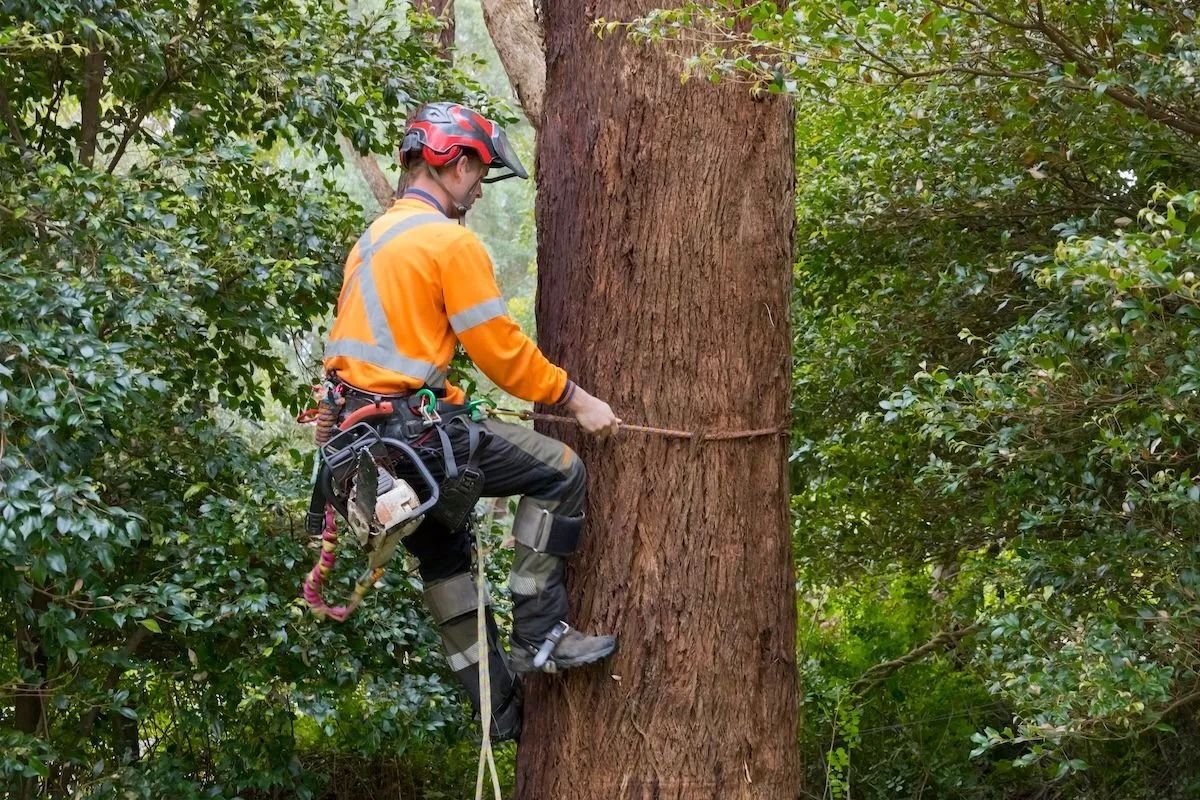
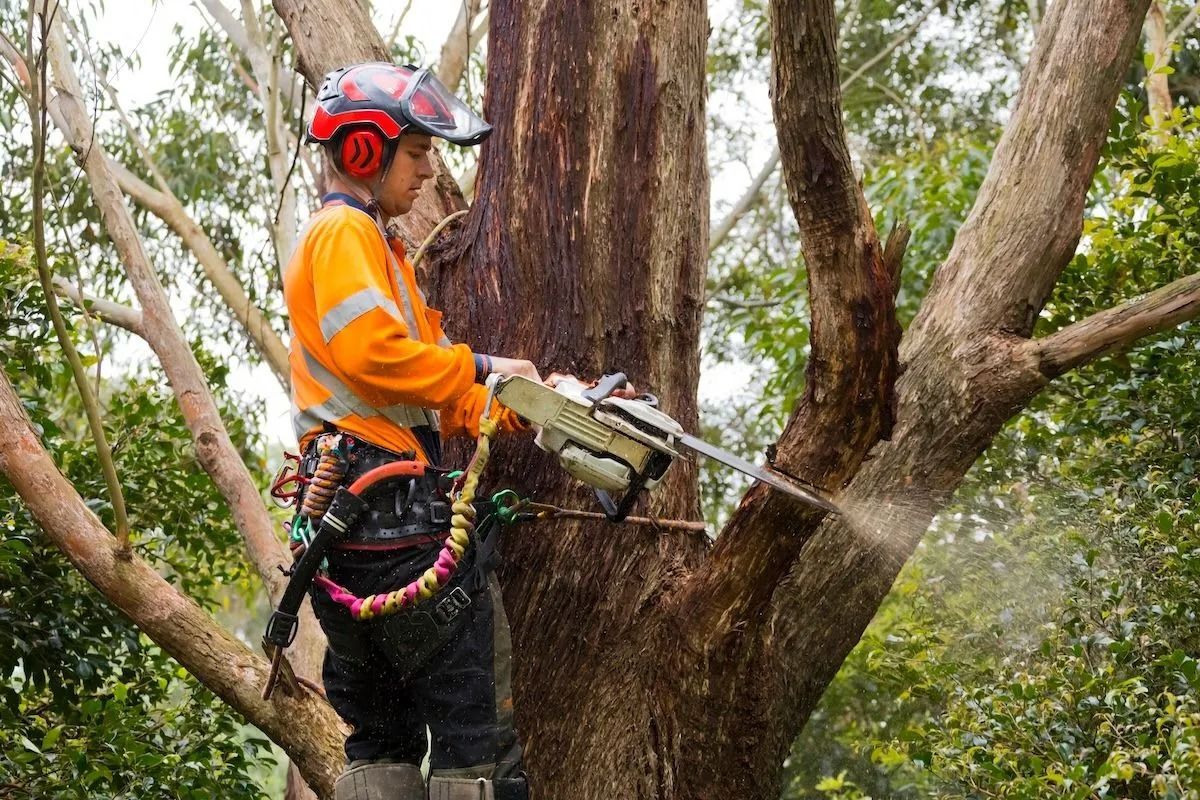
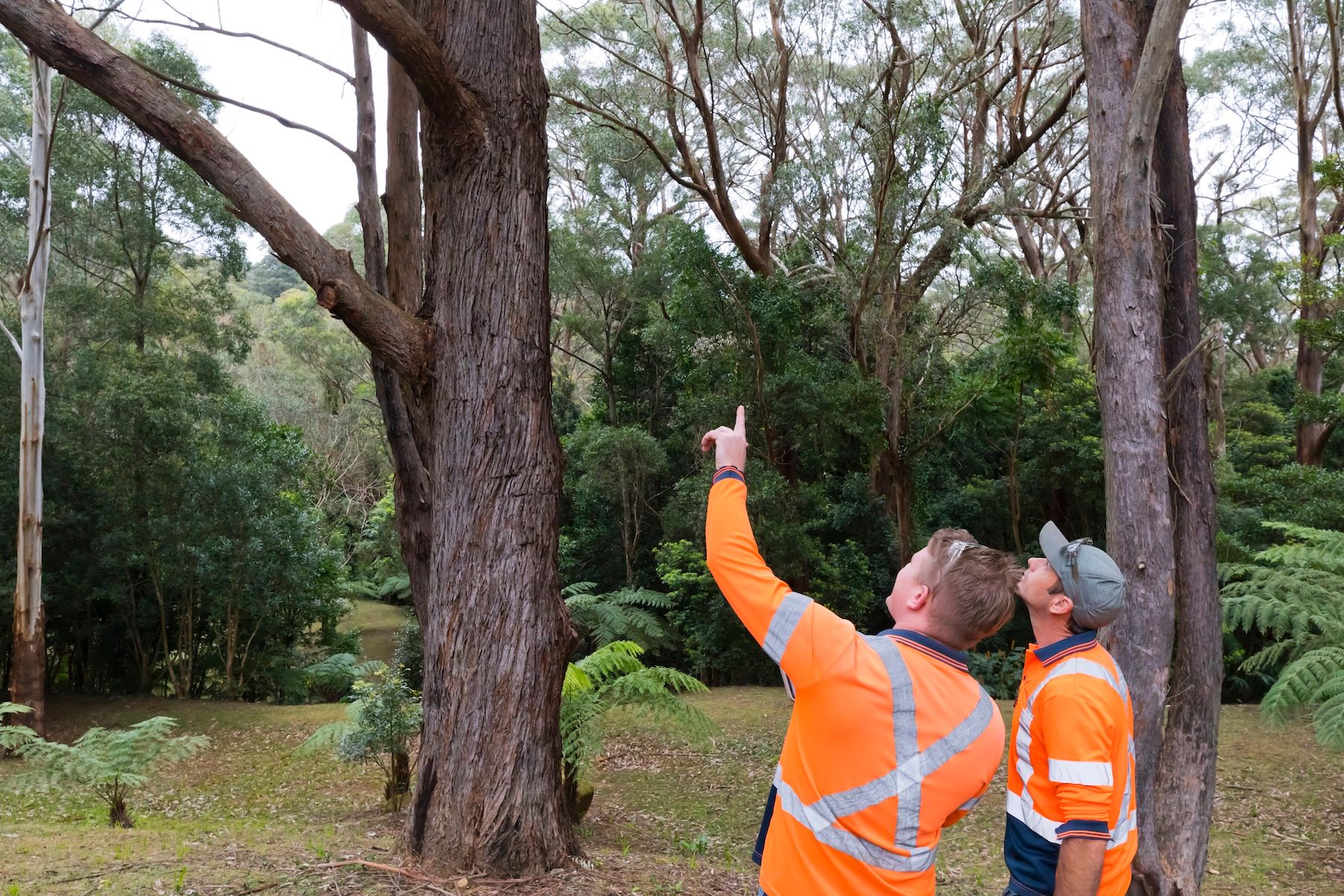
Professional tree pruning is the selective removal of branches, stems or foliage carried out according to a tree's species, age, structure and growing environment. It's not the same as a hedge trim or a rough cut-back with a chainsaw. A qualified arborist assesses the whole tree first – its canopy shape, branch attachments, deadwood and any signs of decay or pest activity – before deciding what to remove and how.
Different pruning methods serve different goals. Crown thinning removes selected branches to reduce density without changing the tree's overall shape. Crown raising lifts the lower canopy to clear pathways, driveways or sightlines. Crown reduction lowers the overall height or spread of a tree, often used when a tree has outgrown its space near a building or powerline. Deadwooding removes dead or dying branches that pose the highest risk of sudden failure.
Each cut is made at the correct point on the branch collar, using techniques that allow the tree to seal the wound naturally and continue growing without unnecessary stress. This is where the distinction between DIY and professional tree pruning really shows – the cut itself matters just as much as the decision to make it.
Example: A property manager in Wollongong with a large jacaranda overhanging a car park might need crown raising to clear vehicle access, combined with deadwooding to remove brittle limbs that could drop in high wind. Both objectives get addressed in the same visit, based on a single assessment of the tree's structure.
How Does Tree Pruning Improve Tree Health?
Pruning improves tree health by removing material that drains the tree's resources or invites disease, allowing it to direct energy toward strong, productive growth. Dead and dying branches are a common entry point for pests and fungal pathogens. Left in place, decay can spread from a dead limb into otherwise healthy wood.
Thinning an overcrowded canopy also improves airflow and sunlight penetration, which reduces the damp, shaded conditions that fungal diseases and certain insects favour. A tree that's carrying too much weight in one section – often the result of years without maintenance – is also more prone to internal stress cracks, even without any visible external damage.
Removing crossing or rubbing branches is another health benefit that's easy to overlook. Where two limbs repeatedly rub against each other, the bark wears away, creating an open wound that stays vulnerable to infection for as long as the contact continues. A single well-timed prune can eliminate that ongoing damage entirely.
According to industry best practice, pruning is generally most effective when carried out during a tree's dormant season or immediately after flowering, depending on the species – timing that a qualified arborist will factor into their recommendations rather than applying a blanket schedule to every tree.
How Does Pruning Reduce Safety Risks Around Homes & Businesses?
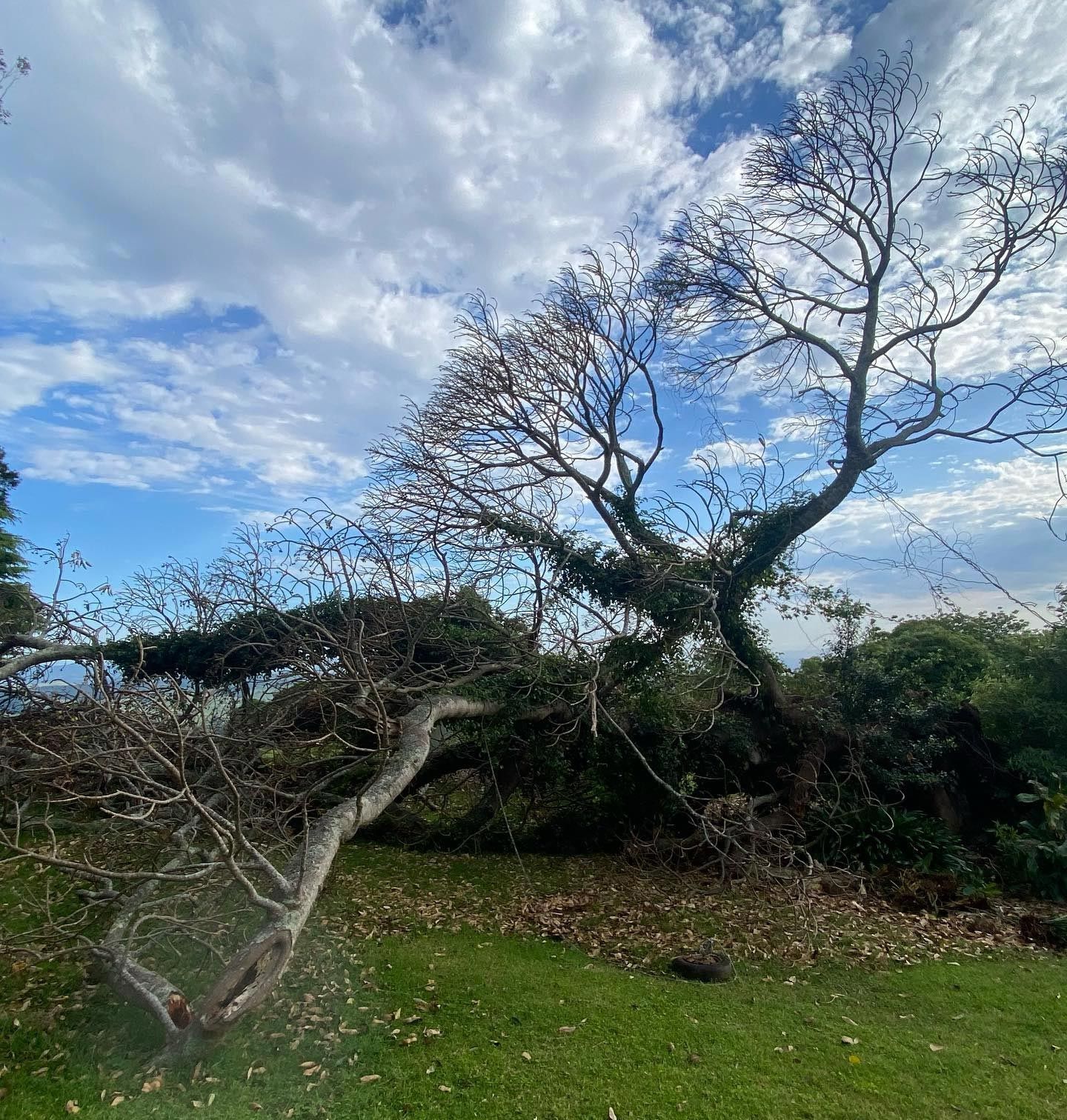
Pruning reduces safety risks by eliminating the branches most likely to fail under wind load, storm conditions or their own weight, before they can fall on people, vehicles, roofs or powerlines. Structural integrity issues in a tree are rarely obvious from the ground. A branch with internal decay can look perfectly healthy from a distance while carrying a real risk of sudden collapse.
For homeowners, this often means addressing limbs that overhang the house, garage or a shared fence line – areas where a fallen branch causes the most damage. For businesses and body corporate managers, the stakes are higher again. Trees near car parks, walkways, playgrounds or building entrances carry a duty of care that goes beyond aesthetics; an unmaintained tree that causes injury or property damage can become a liability issue.
Coastal conditions around Kiama and the broader Illawarra region add another layer to this. Salt-laden winds and storm exposure can accelerate wear on branch structure, particularly in species not naturally suited to those conditions. Regular pruning helps trees adapt to that environment rather than fight against it.
Common safety risks that pruning addresses include:
- Deadwood likely to drop without warning
- Branches encroaching on powerlines or structures
- Weak branch unions prone to splitting in wind
- Overextended limbs creating uneven weight distribution
- Canopy density that increases wind resistance & sail effect during storms
Why Choose Professional Tree Pruning Over DIY
Professional tree pruning over DIY comes down to three things most homeowners underestimate: the physical risk of the work itself, the difficulty of correctly diagnosing a tree's needs and the long-term consequences of a poor cut. Tree work involving height, power tools or proximity to powerlines carries genuine injury risk, and it's one of the more common causes of home improvement accidents.
Beyond the safety issue, incorrect pruning can do lasting damage. Cutting too close to the trunk, leaving a stub or removing too much canopy in one session (sometimes called ‘topping’) can trigger stress responses in the tree, weaken its structure permanently or invite decay through improperly healed wounds. What looks like a quick weekend job can end up shortening a tree's lifespan rather than extending it.
A qualified arborist brings the right equipment, the right technique for the species involved and the judgment to know when a tree needs more than a simple trim, including cases where retention isn't advisable and removal is the safer long-term option. That assessment is difficult to make without the training to read a tree's structural warning signs.
Book Professional Tree Pruning in Kiama & Wollongong
If you've got a tree that's overdue for attention – overhanging a structure, showing deadwood or simply looking overgrown – Burnett Tree can assess it and recommend the right approach for its species, size, and location. We work with homeowners, property managers, body corporate committees and businesses across Kiama, Wollongong and the surrounding Illawarra area, and every job starts with a proper look at the tree's condition rather than a one-size-fits-all quote.
Get in touch with Burnett Tree today to arrange an assessment and keep your trees healthy, structurally sound and safe for the people around them.
Frequently Asked Questions
How often should trees be professionally pruned?
This depends on the species, age and location of the tree, but most established trees benefit from a professional assessment every one to three years. Fast-growing species or trees near structures may need more frequent attention.
Can pruning harm a tree if it's done incorrectly?
Yes. Removing too much canopy at once, cutting at the wrong point on the branch or pruning at the wrong time of year can all stress a tree, trigger decay or weaken its long-term structure.
What's the difference between tree pruning and tree lopping?
Pruning is a targeted, selective process based on the tree's structure and health. Lopping typically involves indiscriminate cutting back of branches, which can cause long-term damage and is discouraged by qualified arborists.
Do I need council approval to prune a tree?
In many parts of NSW, significant tree work is regulated by local council, particularly for trees over a certain size or those subject to a tree preservation order. It's worth checking with your local council or asking your arborist before major work goes ahead.
Will pruning stop a tree from dropping branches in storms?
Pruning significantly reduces the risk by removing weak, dead or overextended limbs, but it can't eliminate all risk. Regular assessment is the most reliable way to keep storm-related risk as low as possible.
Is pruning better done in a particular season?
Timing varies by species. Many trees are best pruned during dormancy or shortly after flowering, though deadwood removal for safety reasons can generally be done at any time of year.