Why You Should Remove Dead Trees Even If They’re Not Falling
A dead tree can look harmless at first glance. Its trunk may still stand firm, and its branches might not show obvious signs of collapse. This appearance often creates a false sense of security for property owners. Despite this, dead trees pose risks that are often underestimated. Internal decay weakens their structure over time, making failure unpredictable rather than immediate.
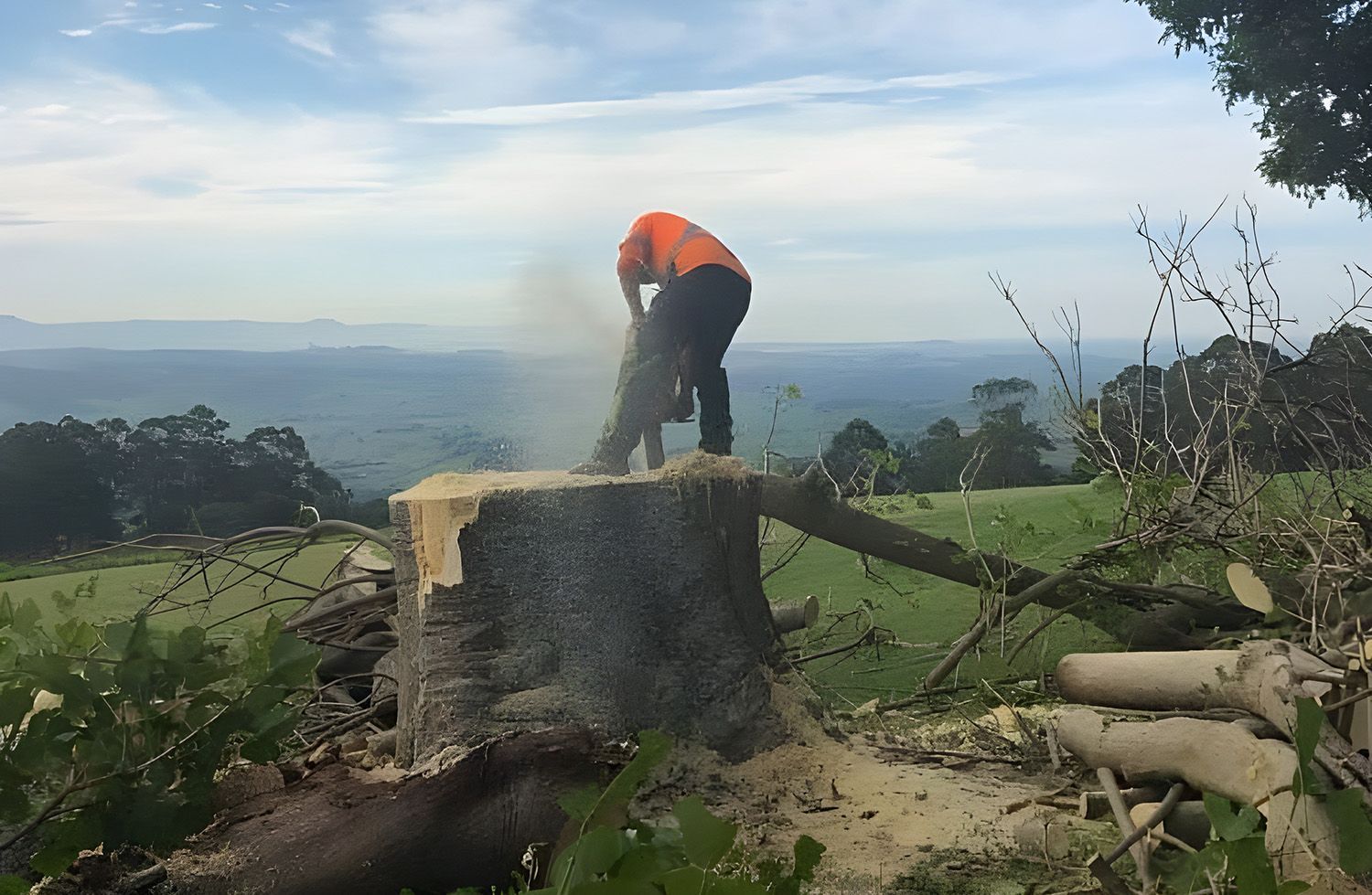
For households considering tree removal in Kiama, recognising these risks early can help prevent damage, injury and unexpected costs. Dead trees rarely fail all at once. Instead, they deteriorate gradually, becoming unstable hazards that can affect homes, gardens and neighbouring properties as conditions change.
When a Tree Is Considered Dead, Not Just Dormant
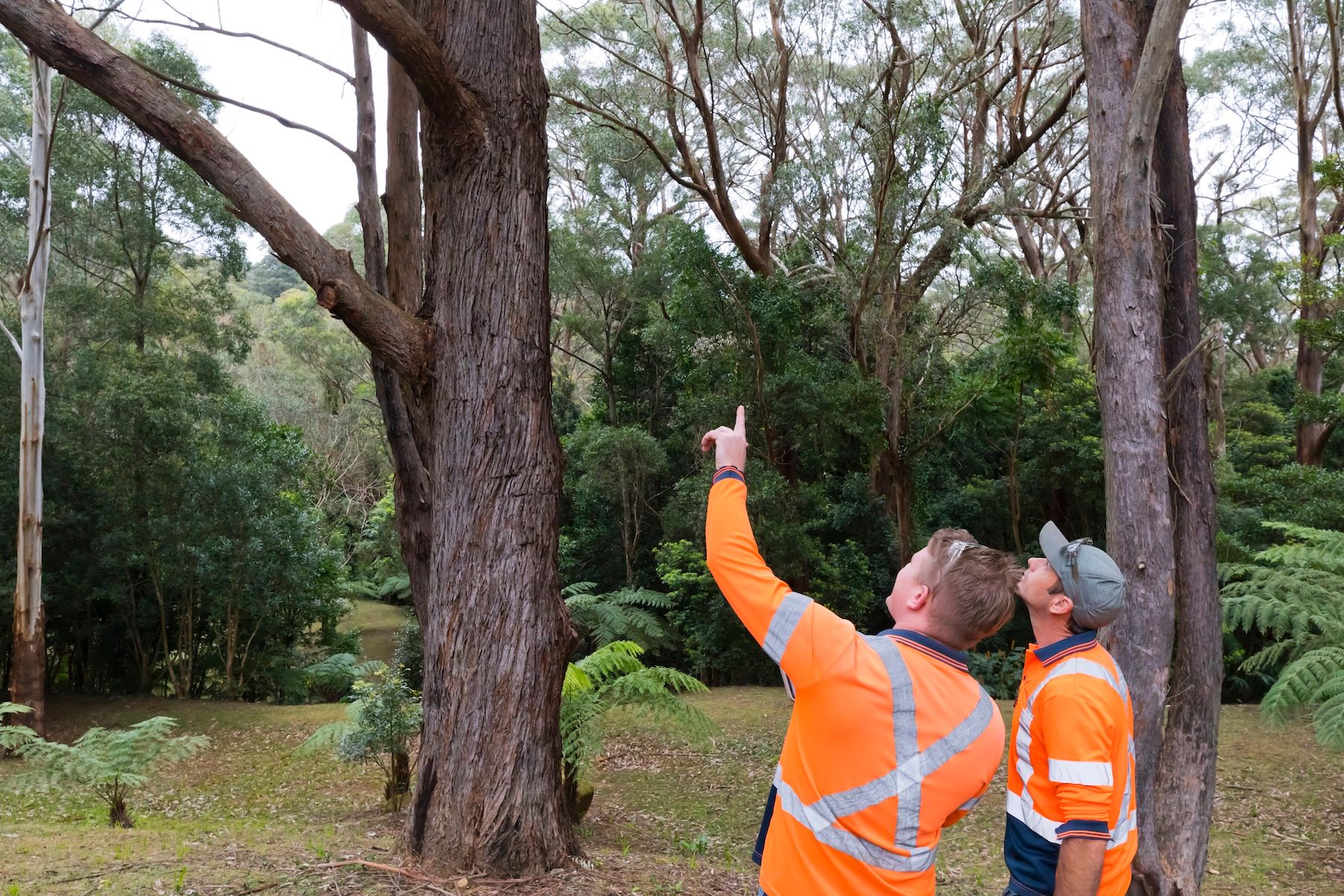
Trees don’t always decline in obvious ways. A tree can appear stable from the outside while being completely lifeless on the inside. Surface appearance alone is rarely enough to determine whether a tree is healthy or structurally sound. Arborists assess more than visual cues when identifying a dead or failing tree.
Common indicators include:
- Absence of new growth during active seasons
- Brittle branches that snap easily
- Peeling bark or hollow sections in the trunk
Dormant trees still retain flexibility, moisture and internal strength, while dead trees progressively lose integrity. Without a professional assessment, it’s easy to misjudge the condition. This is where an arborist becomes important. Early identification helps manage risk and allows tree removal to be planned safely rather than rushed after damage occurs.
Why Standing Dead Trees Still Pose Serious Risks
A standing dead tree doesn’t need to be falling to be dangerous. Internal decay weakens the tree from the inside out, often leaving the exterior looking unchanged. As strength diminishes, the tree loses its ability to cope with everyday stress. Over time, gravity, wind and moisture steadily increase the risk of failure.
Key risks include:
- Sudden limb failure without warning
- Root system decay that compromises stability
- Increased likelihood of collapse during mild weather
Deterioration occurs gradually, making the danger easy to overlook. A tree may stand for years before failing unexpectedly. Waiting until visible movement occurs can mean waiting too long. Proactive tree removal planning in Kiama helps reduce exposure to these risks, allowing for safe and controlled removal.
Hidden Hazards for Homes, Fences & Outdoor Structures
Dead trees often sit close to valuable assets, such as sheds, fences or retaining walls. Even small branches can cause significant damage when they fall from a height, especially during high winds or heavy rain. What seems minor can quickly become costly when it impacts nearby built structures.
Common property risks include:
- Roof damage from falling limbs
- Crushed fences or garden structures
- Impact on driveways, pergolas or power lines
Dead wood is heavier and more brittle than live timber, which increases the force of impact when branches fall. As decay progresses, failure becomes less predictable. Removing dead trees early helps protect surrounding structures and reduces the likelihood of secondary repair costs, which often exceed the expense of planned tree removal.
The Safety Impact on People, Pets & Neighbours
Safety risks extend beyond property damage. Dead trees can pose serious threats to people and animals who pass beneath them, especially in areas regularly used for play, parking, or access. The unpredictable nature of decaying timber increases the chance of sudden failure without visible warning signs.
Potential concerns include:
- Falling branches injuring residents or visitors
- Hazards to children & pets using outdoor spaces
- Liability risks if damage extends beyond property boundaries
A tree that appears stable today can fail unexpectedly tomorrow due to internal decay or changes in weather conditions. Engaging a local arborist in Kiama allows hazards to be assessed objectively and addressed early. Removing dead trees demonstrates due care, supports safer outdoor environments and reduces the likelihood of injuries or disputes with neighbours.
How Dead Trees Affect Nearby Healthy Vegetation
Dead trees don’t exist in isolation. Their presence can have a negative impact on surrounding plants and trees, particularly in established gardens or shared green spaces. While the tree itself may no longer be growing, it can still influence the health of nearby vegetation.
Issues may include:
- Harbouring pests that spread to healthy trees
- Fungal growth transferring through the root systems
- Competition for light & space despite being non-viable
As decay progresses, insects and disease can migrate, placing additional stress on living plants. Removing dead trees improves airflow and sunlight for remaining vegetation, creating better growing conditions. This also reduces the likelihood of ongoing infestations. For property owners managing landscaped areas, timely tree removal in Kiama helps protect the broader environment rather than disrupt it.
Weather Events Can Turn Dead Trees Into Emergencies
Weather often exposes weaknesses that aren’t obvious in calm conditions. Coastal winds, heavy rainfall and storms increase the likelihood of sudden failure.
During adverse weather:
- Dead limbs break under minimal load
- Weakened roots lose grip in saturated soil
- Entire trees may uproot unexpectedly
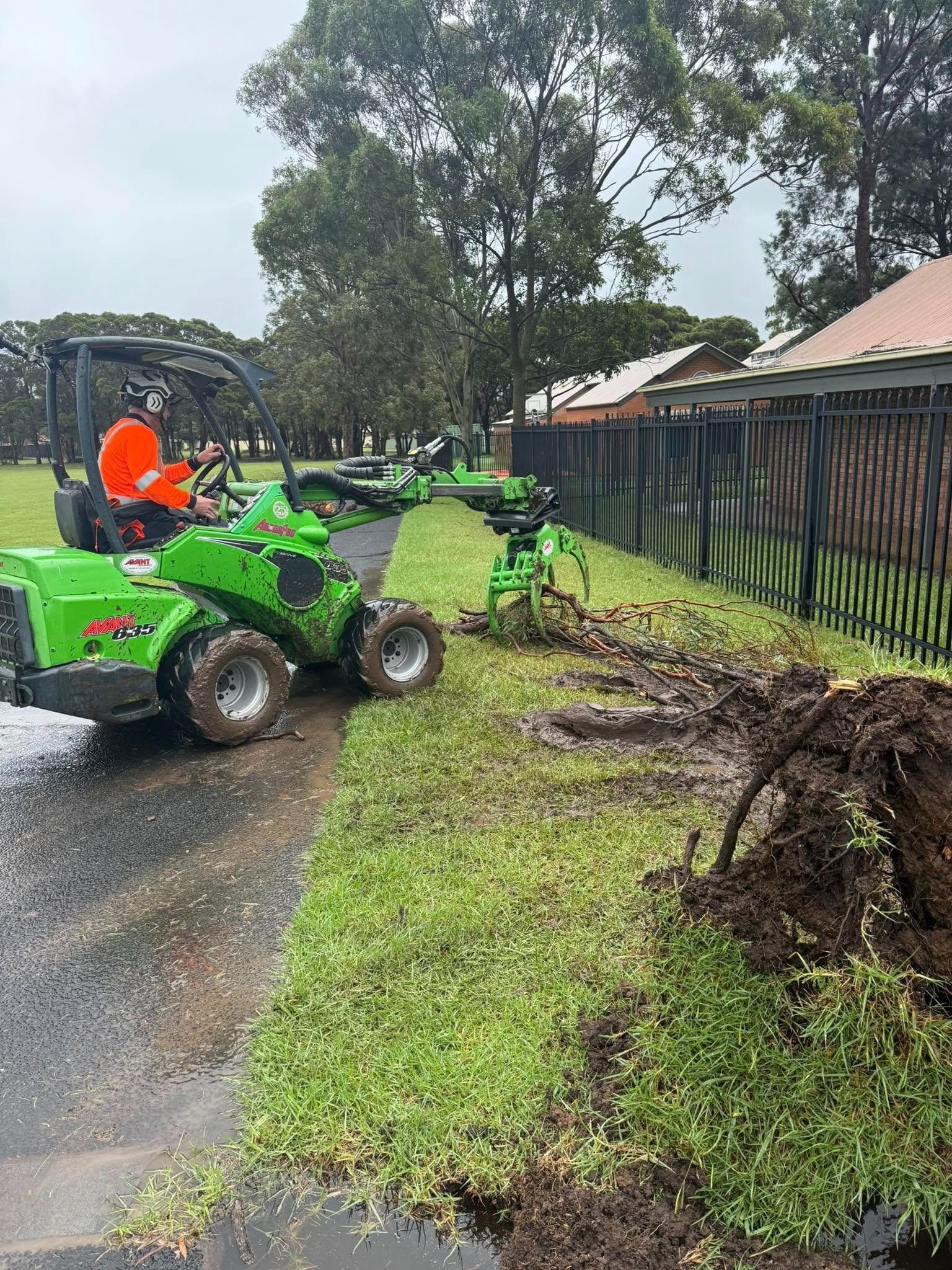
Emergency removals are more complex and risky than planned work. Scheduling removal before weather events reduces the need for urgent call-outs and minimises disruption. Planning ahead is always safer than reacting after damage occurs.
Professional Tree Removal Versus Waiting Too Long
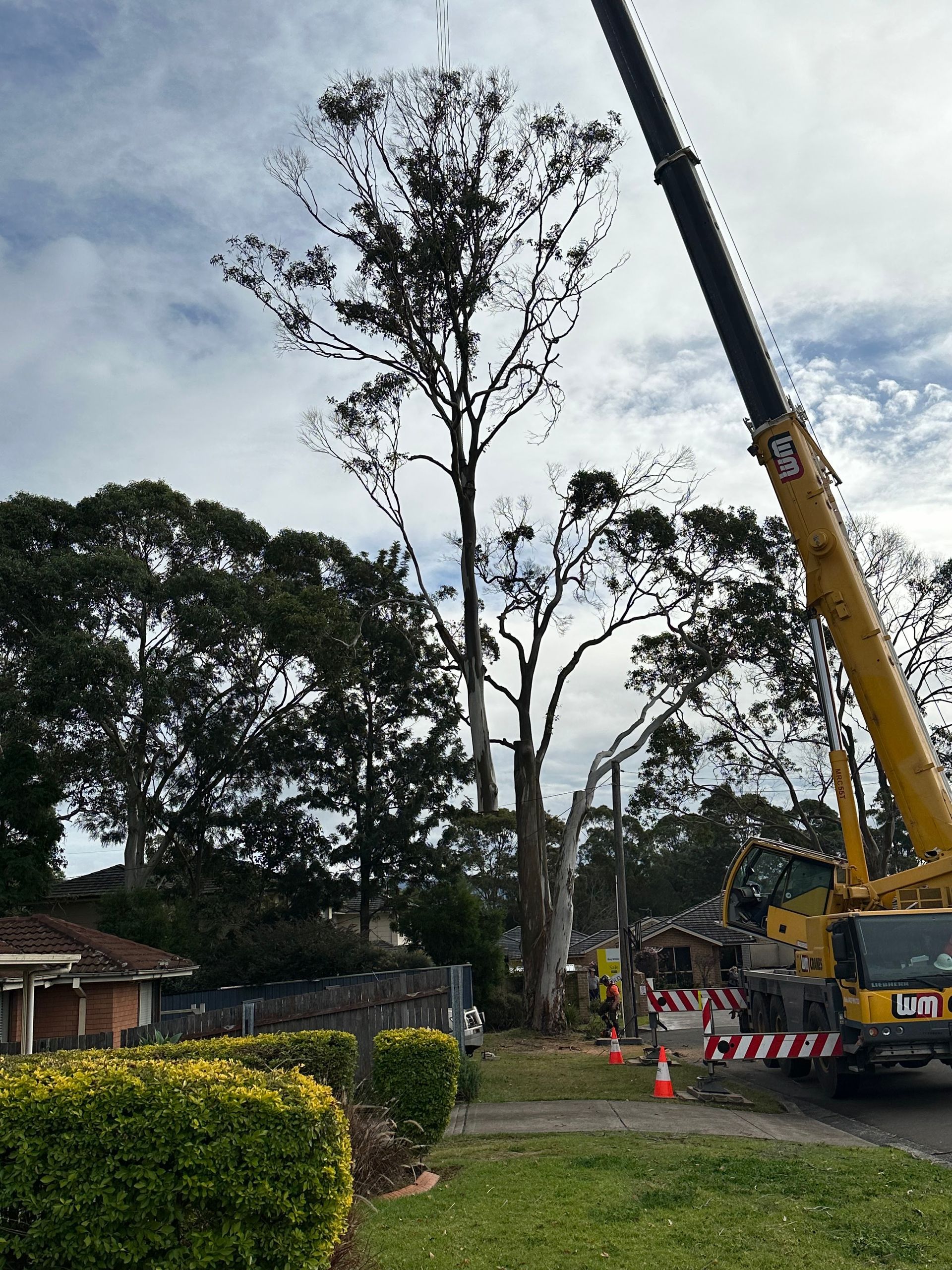
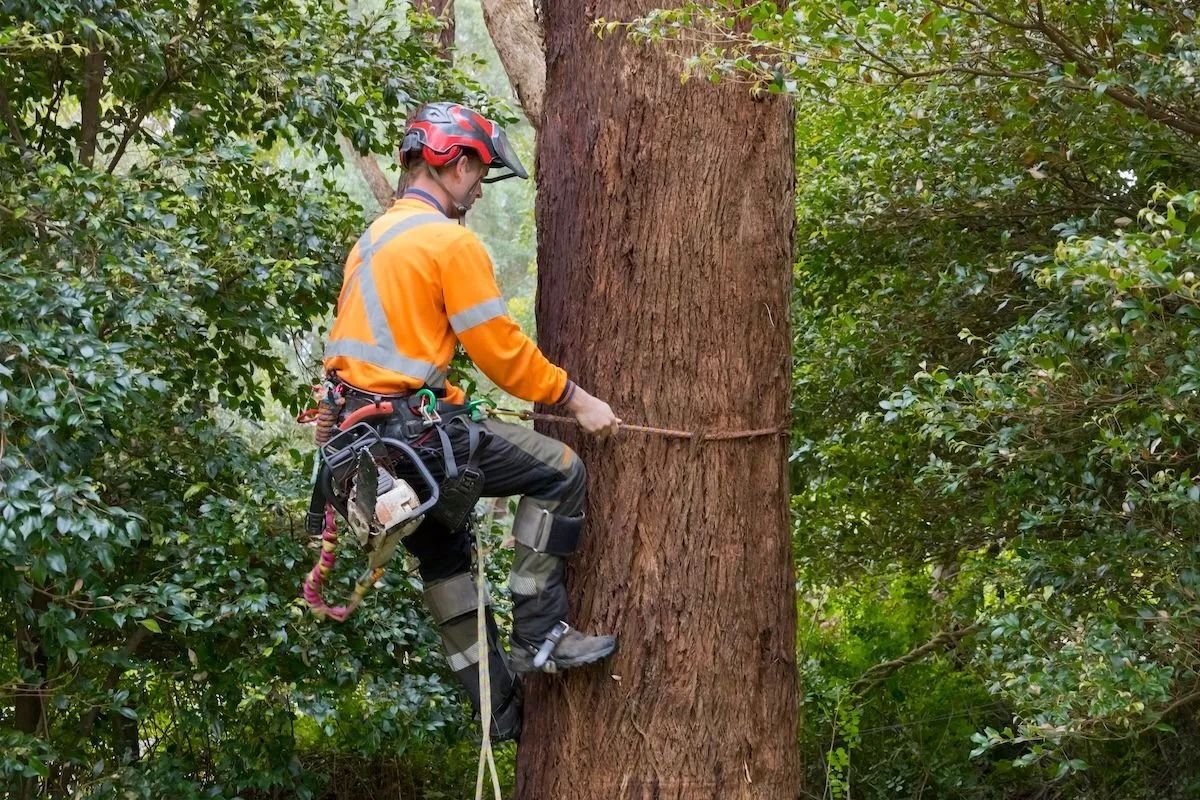
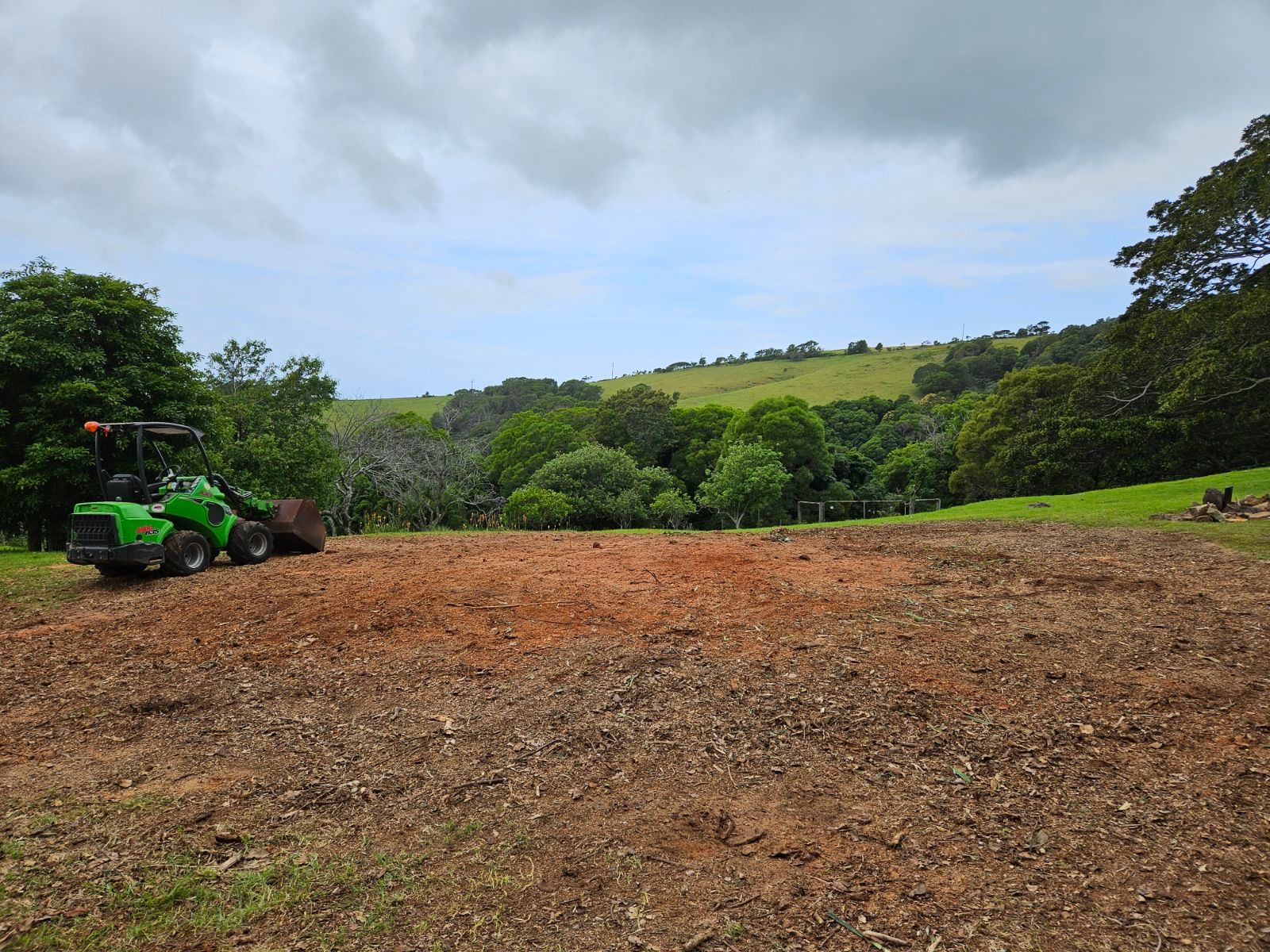
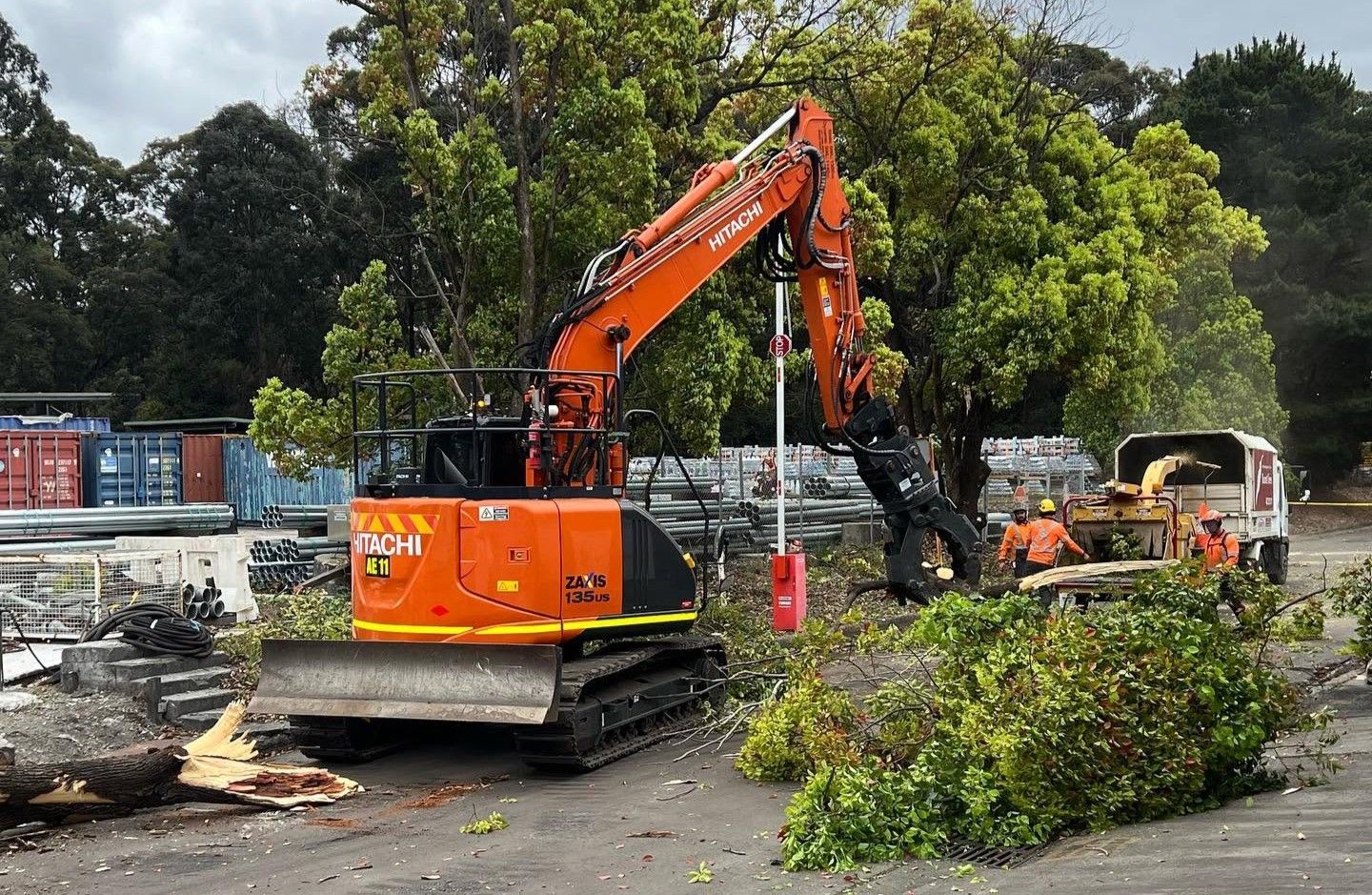
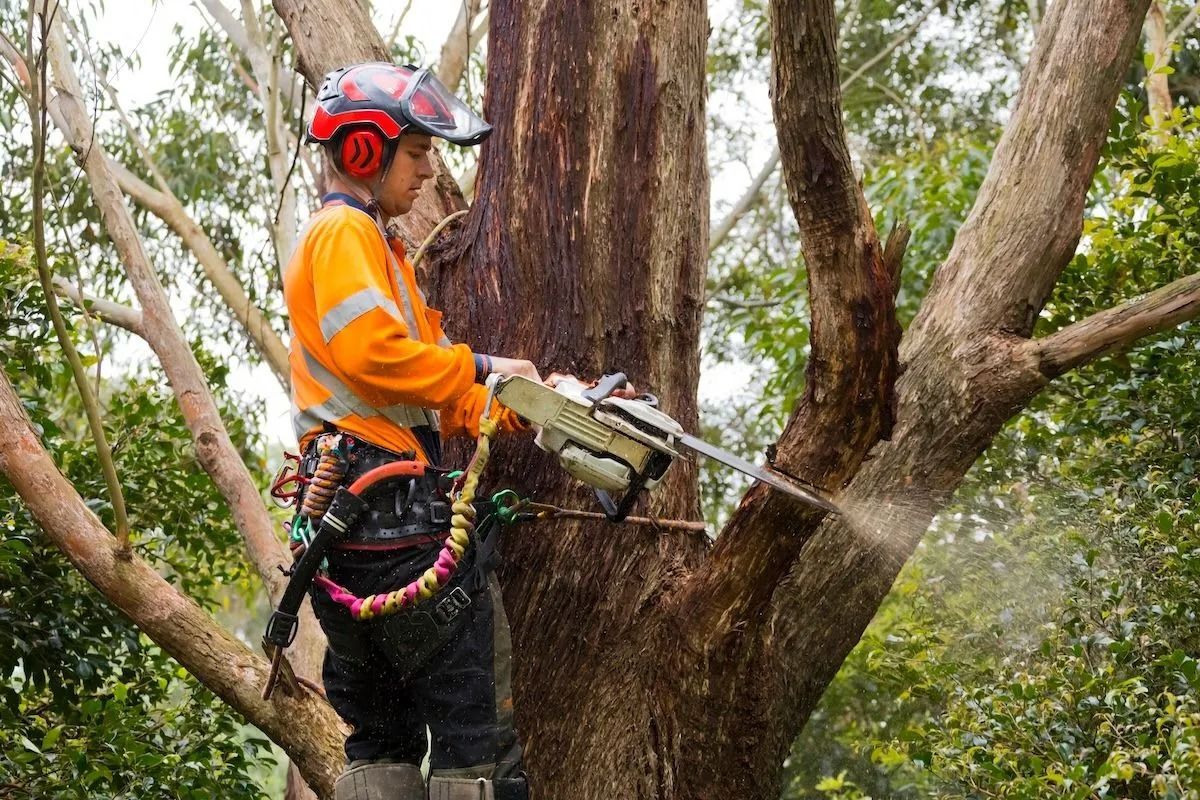
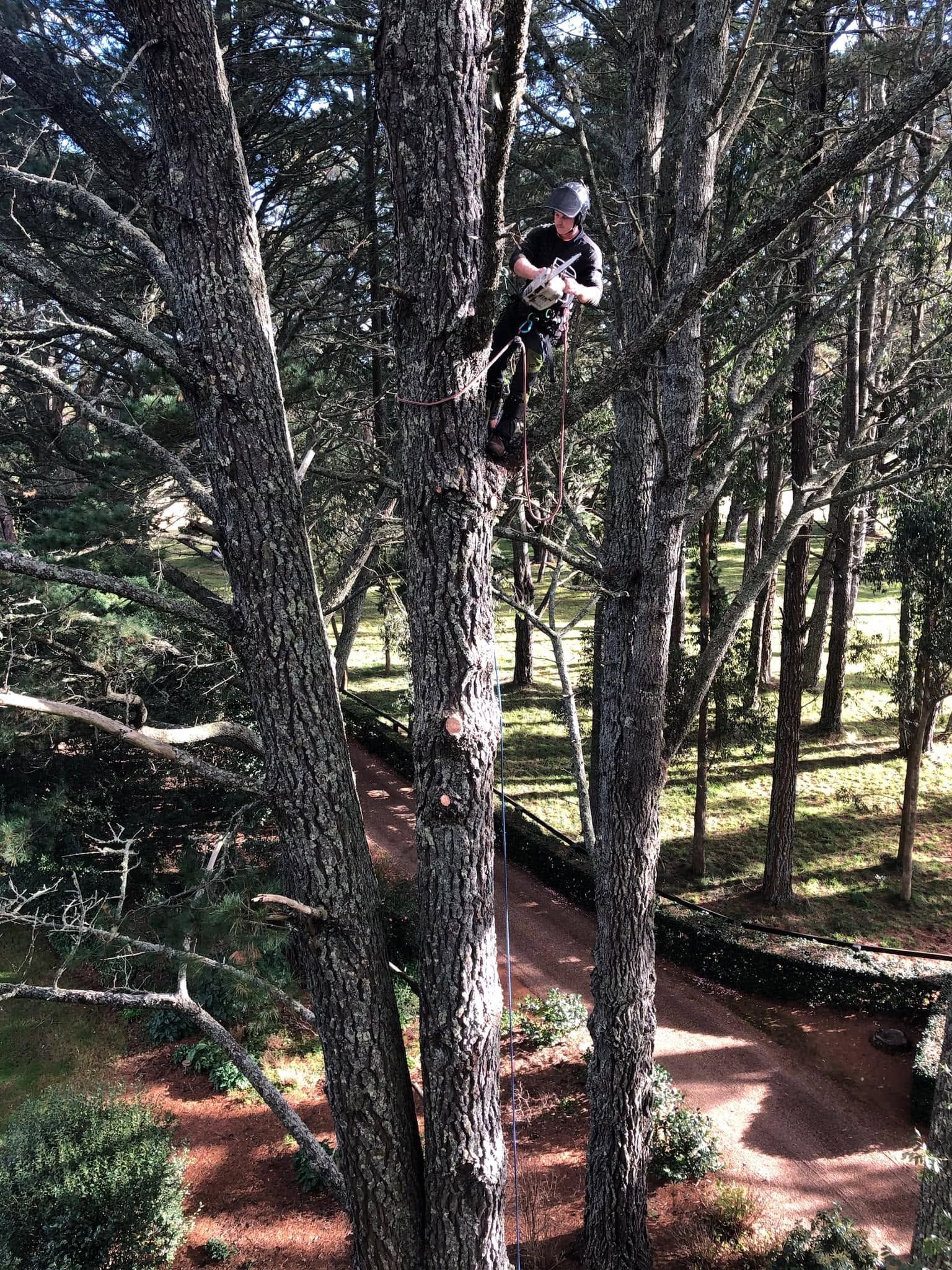
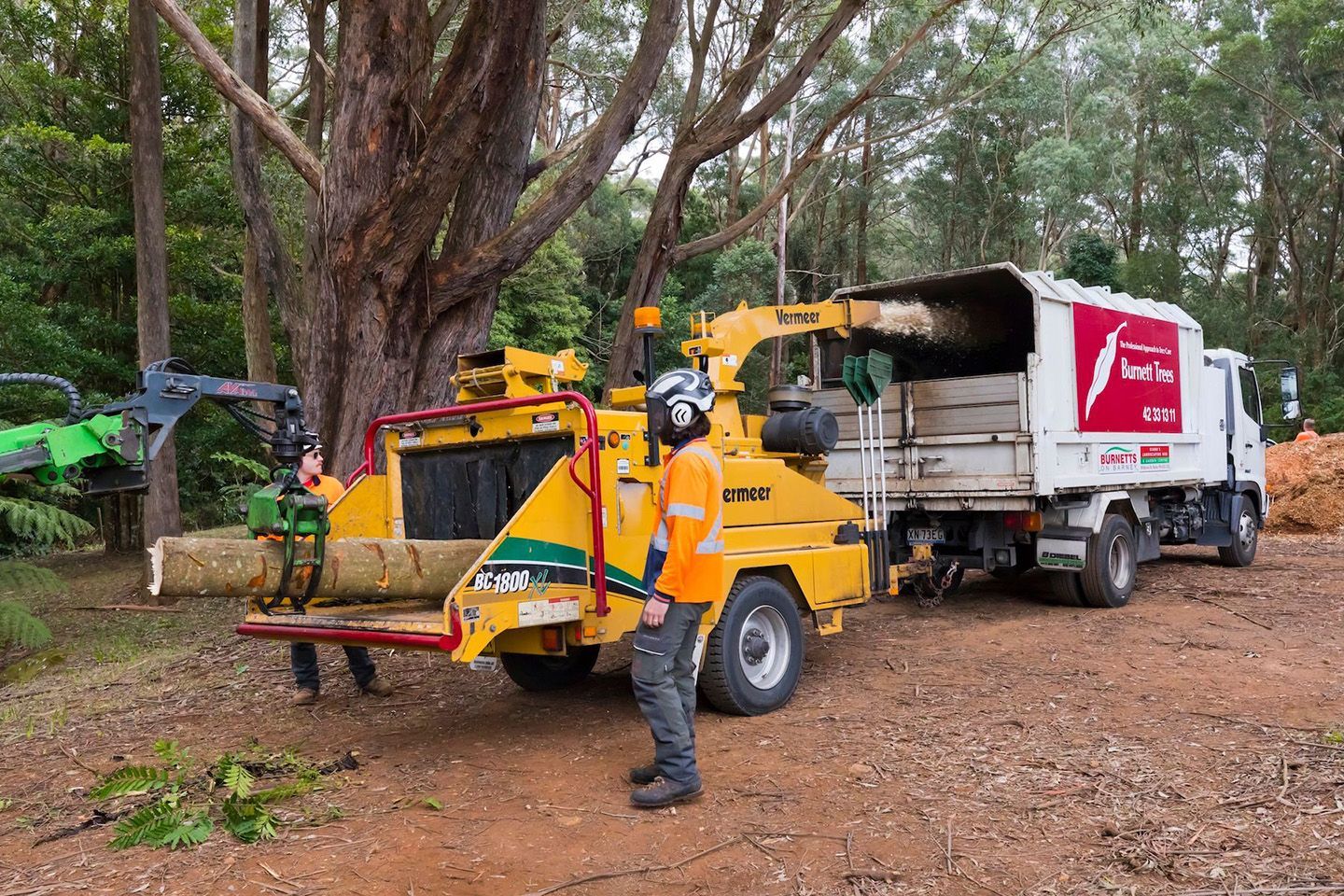
There’s a clear difference between controlled removal and emergency response. Planned arborist services ensure safe access, proper equipment and effective waste management.
The benefits of timely removal include:
- Safer working conditions
- Reduced risk to surrounding areas
- Predictable timelines & outcomes
Delaying action often results in higher costs and limited options. When a tree reaches a critical state of failure, removal becomes a reactive rather than a strategic measure. Engaging an arborist near me early ensures removal is handled with foresight rather than urgency.
When to Call an Arborist for Assessment or Removal
Knowing when to act is crucial. If a tree shows signs of decline, a professional assessment provides clarity and direction.
You should consider contacting an arborist if:
- A tree shows no signs of seasonal growth
- Large sections appear hollow or decayed
- Branches fall without an obvious cause
An inspection helps determine whether pruning, monitoring or full removal is appropriate. Acting early supports safer outcomes and avoids last-minute decisions driven by risk or damage.
Take the Next Step Safely
At Burnett Trees, we help property owners address dead trees before they become serious hazards. We understand local conditions and the challenges they create for tree stability.
If you’re concerned about a tree on your Kiama property, contact us to arrange an assessment and discuss safe tree removal options suited to your site.