Common Causes Of Tree Root Damage To Properties
Tree roots can damage driveways, paths, retaining walls, pipes and other infrastructure when growing conditions bring them into conflict with built structures. However, a nearby tree isn't automatically responsible for every crack or blocked drain. Identifying the cause first is essential before deciding whether root management, tree retention or removal is appropriate.
At Burnett Trees, we work with property owners throughout Wollongong and the Illawarra to assess trees and determine practical ways to manage conflicts between established trees and surrounding structures.
How Tree Roots Grow in Search of Water and Nutrients
Roots perform several important jobs. They anchor the tree, absorb water and nutrients and support its ongoing growth.
Root systems don't simply grow straight down beneath the trunk. Many roots spread laterally through the surrounding soil, particularly where conditions provide suitable moisture, oxygen and nutrients.
Soil conditions can influence where roots develop. Compacted ground, changes in moisture and physical barriers may all affect root growth, while areas with favourable conditions can encourage roots to extend away from the tree.
This becomes a property issue when trees grow close to buildings, paving, retaining walls, drainage systems or underground services. The tree may have been planted when it was small, but the relationship between its root system and nearby infrastructure can change significantly as it matures.
What Causes Tree Roots to Damage Foundations and Structures?
Foundation problems are complex, and seeing a large tree beside a cracked building doesn't prove its roots caused the damage.
Roots and structures can interact in several ways. Direct physical contact may occur where roots grow against or beneath built elements. Changes in soil moisture can also be relevant, particularly in soils that expand and contract as moisture conditions change.
The age and condition of the structure, soil characteristics, drainage and previous ground movement may all need consideration before the cause can be determined. That's why simply cutting roots near a foundation isn't a sensible first response. Removing substantial roots can affect tree health or stability, while failing to address the actual cause of structural movement may leave the property problem unresolved.
Where significant cracking or movement is involved, assessment may require input from more than one type of specialist. An arborist can assess the tree and root-related factors, while structural or other technical advice may be needed for the building itself.
Driveways, Paths and Retaining Walls: How Surface Roots Cause Damage
Hard surfaces are among the most visible places where tree roots and property infrastructure come into conflict. Roots growing beneath paving, concrete or asphalt can contribute to lifting and uneven surfaces. Over time, you may notice raised pavers, cracks in a driveway or sections of a path becoming uneven.
Retaining walls can also be affected where roots develop close to the structure. However, wall movement can have other causes, including drainage, soil pressure and deterioration, so the tree shouldn't automatically receive all the blame.
The obvious temptation is to cut away the offending root. That can create another problem if the root is important to the tree's stability or health. For example, imagine a mature tree beside a driveway has a large root lifting one section of paving. Cutting the root might appear to be the quickest fix, but its size and position could make removal inappropriate. An assessment can help determine whether modifying the hard surface, carefully managing roots or considering the future of the tree is the better approach.
Plumbing, Stormwater and Underground Services at Risk
Blocked pipes are commonly blamed on nearby trees, but roots generally need a way into the pipe before they can grow inside it. Cracks, failed joints or other defects can allow moisture to escape and create conditions that roots can exploit. Once roots enter a damaged sewer or stormwater line, continued growth can contribute to recurring blockages and further problems.
This means clearing roots from a pipe may address the immediate blockage without resolving the underlying defect that allowed them inside.
If you repeatedly experience drainage problems near established trees, it may be worth investigating both the plumbing and surrounding vegetation rather than treating either one in isolation.
Underground services also make DIY root cutting particularly risky. You may not know exactly what's below the soil, and digging around major roots can affect the tree as well as nearby infrastructure.
Which Types of Trees Are Most Likely to Cause Root Problems?
There's no simple list of trees that will always damage a property. The likelihood of conflict depends on factors including the mature size and growth characteristics of the tree, where it was planted, soil conditions, available moisture and the location and condition of nearby infrastructure.
A large tree planted very close to a driveway, retaining wall or building naturally has less room for its root system to coexist with those structures than the same tree growing in an open area. Fast-growing or large trees can create particular challenges when they're planted without enough space for their mature size, but species alone doesn't tell you whether a particular tree is responsible for existing damage. This is why site-specific assessment matters. The tree, root zone, surrounding structures and visible damage need to be considered together.
How Far Can Tree Roots Spread From the Trunk?
It's a common misconception that roots remain directly beneath the canopy or extend only as far as the branches. Root spread varies considerably between trees and sites. Species, age, soil, moisture and physical obstacles can all influence how the root system develops. That means distance from the trunk alone isn't enough to rule a tree in or out as a potential contributor to a problem.
You should also be cautious about digging within the root zone simply because you're several metres from the trunk. Important roots can extend well beyond the area people expect, and excavation can damage them.
If you're planning construction, trenching, a new driveway or other ground disturbance near established trees, assessing potential root conflicts before work begins can give you more options than discovering them once excavation is underway.
Warning Signs of Tree Root Damage on Your Property
Root-related problems can present differently depending on what's being affected. Signs worth investigating can include:
- Pavers or sections of a path lifting near a tree
- Cracks or uneven areas developing in driveways
- Movement or damage around retaining walls
- Visible large roots pressing against built structures
- Recurring sewer or stormwater blockages
- Roots discovered during excavation near underground services
- Changes to the ground around established trees
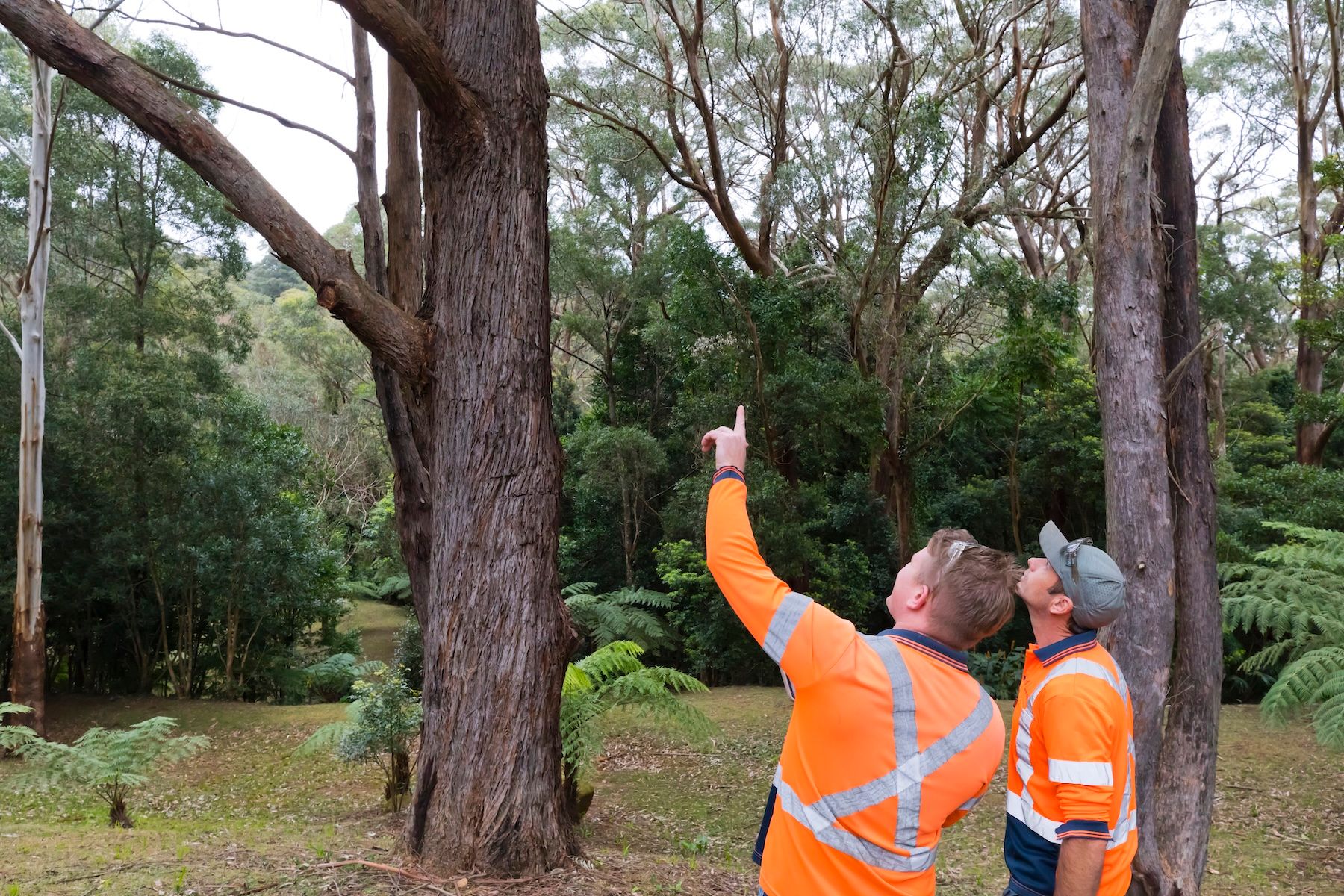
These signs don't automatically mean the tree needs to be removed. If you've noticed lifting surfaces, visible roots or recurring infrastructure problems near a tree, having an experienced arborist in Wollongong assess the situation can help you understand the relationship between the tree and the affected area.
For building movement, plumbing faults or other specialised infrastructure problems, additional assessment from the relevant trade or consultant may also be appropriate.
Managing Root Problems: Pruning, Retention or Tree Removal in Wollongong
The best solution depends on the tree, the roots involved and the severity of the conflict. Where practical, tree retention may be possible. Options could include modifying nearby landscaping or hard surfaces, managing particular roots where appropriate, or changing planned works to reduce disturbance around the tree.
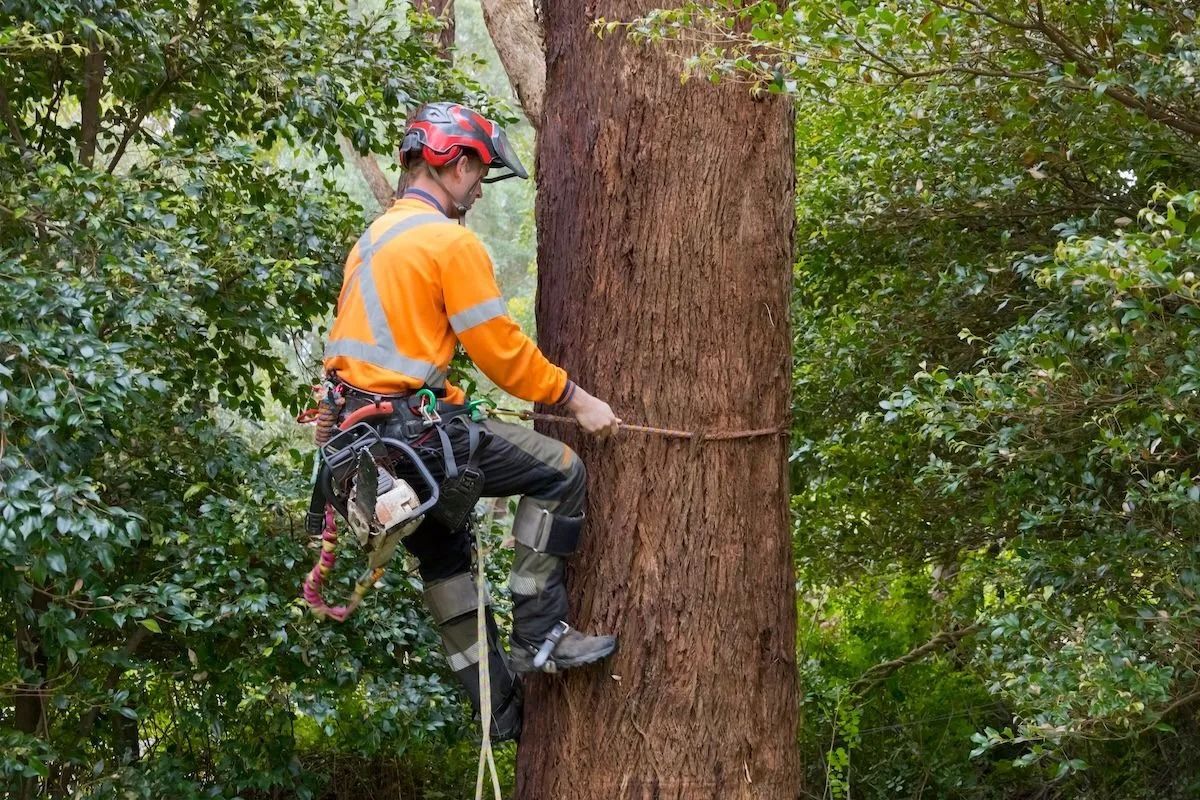
Root pruning isn't something to approach casually. Cutting significant roots can affect tree health and stability, so the location and importance of the roots need to be considered first.
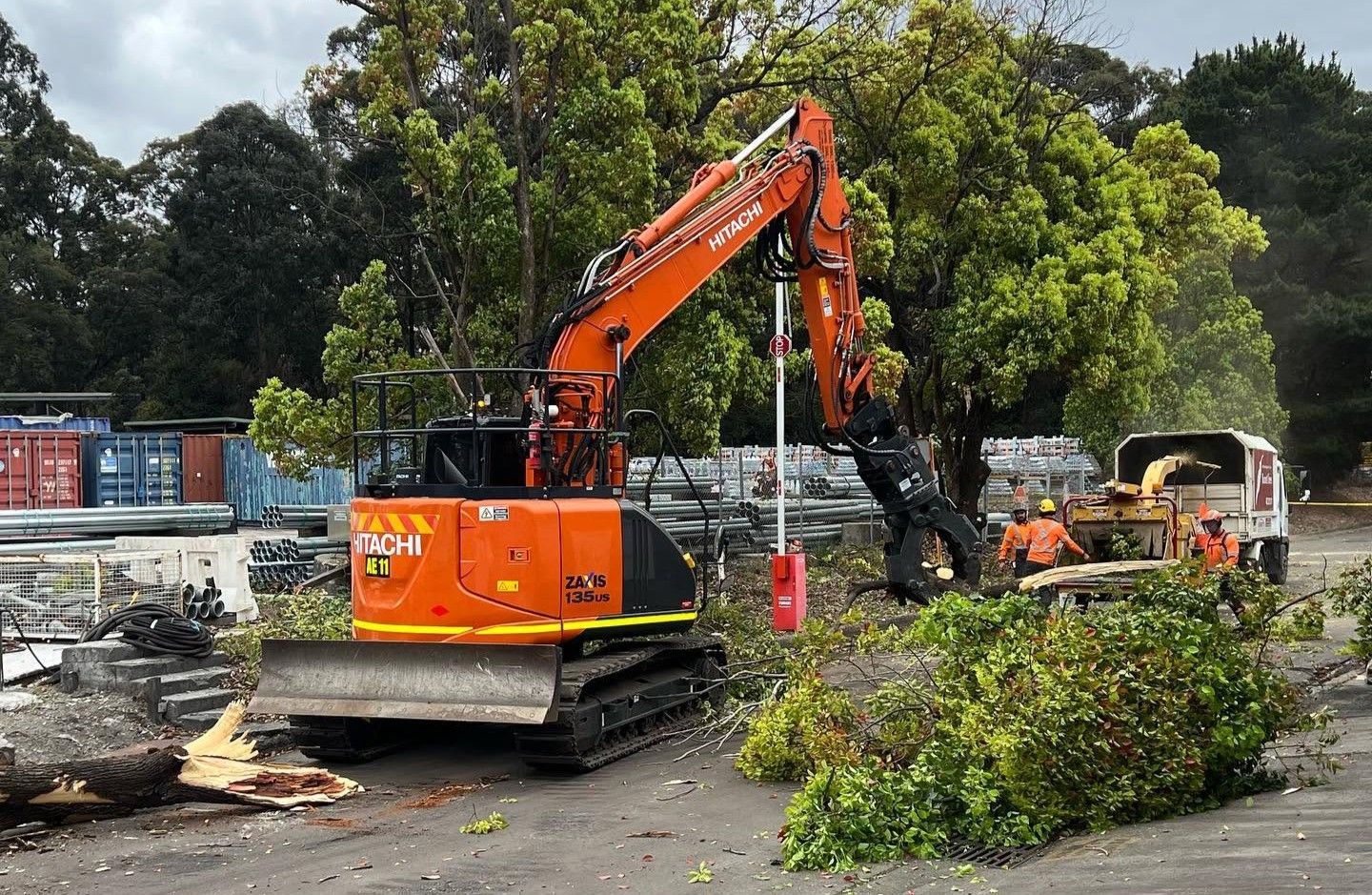
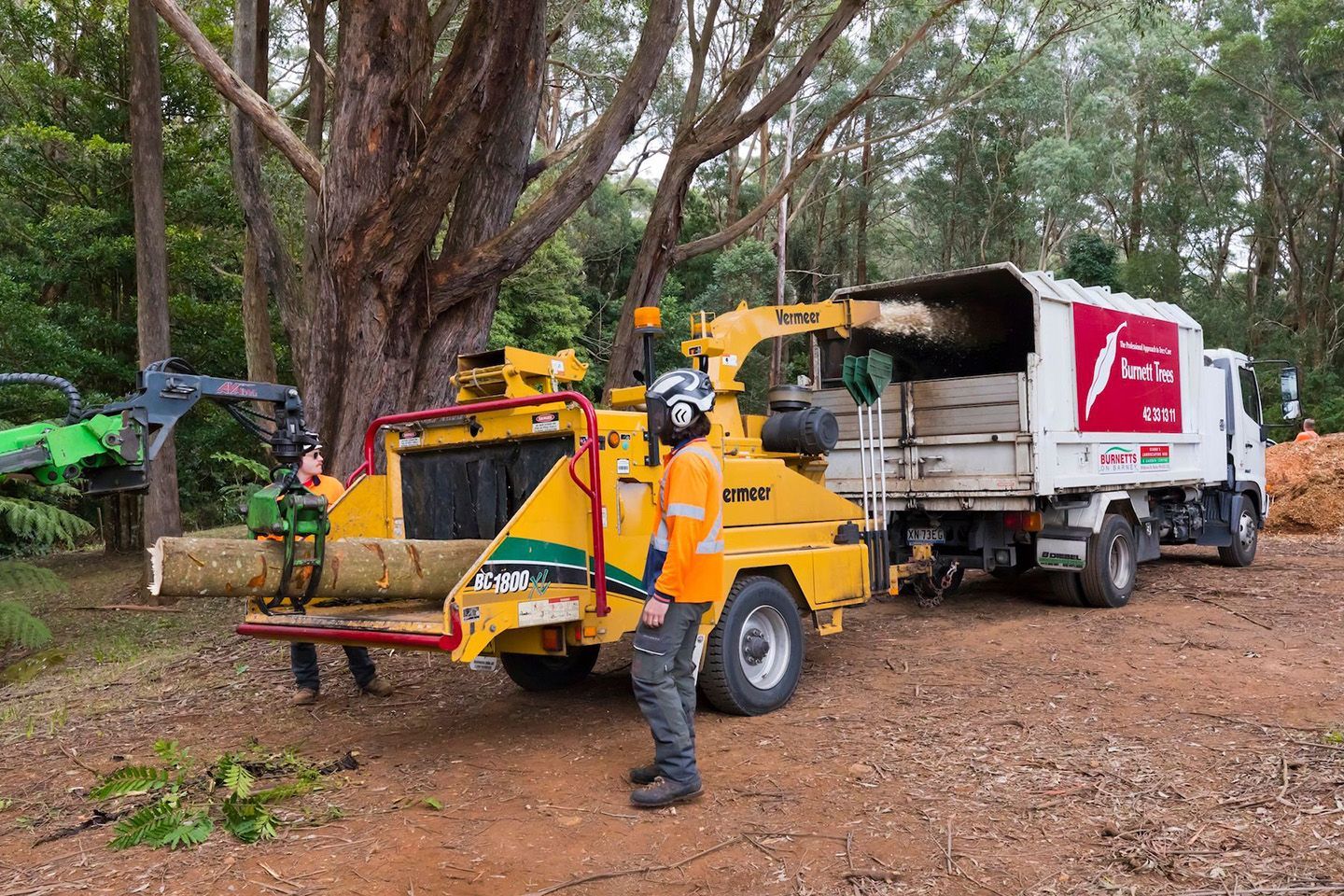
In other situations, the conflict between the tree and infrastructure may be too significant to manage reasonably while retaining the tree. Where roots have contributed to serious problems and suitable retention options aren't available, tree removal Wollongong property owners arrange may become one option to consider.
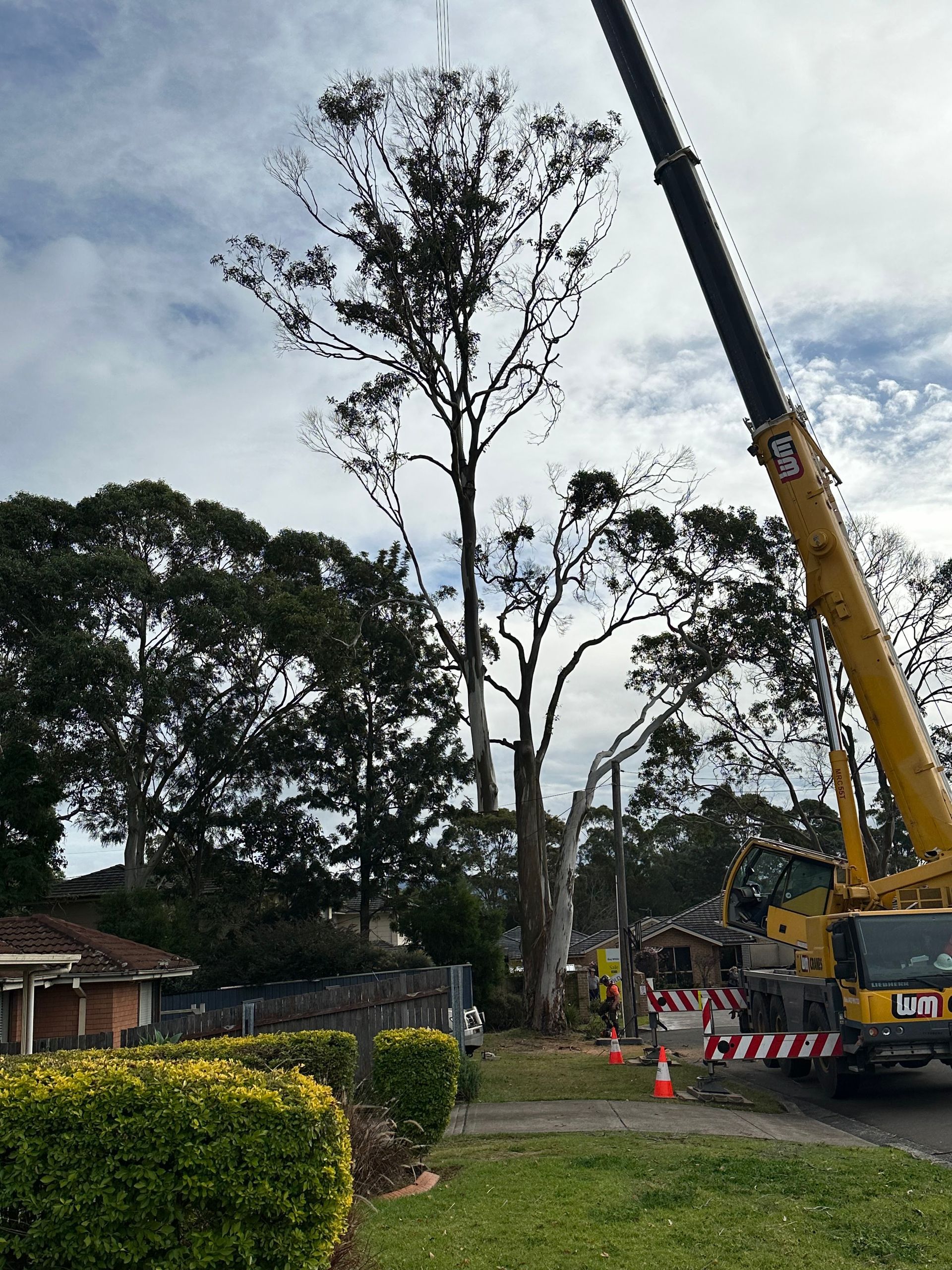
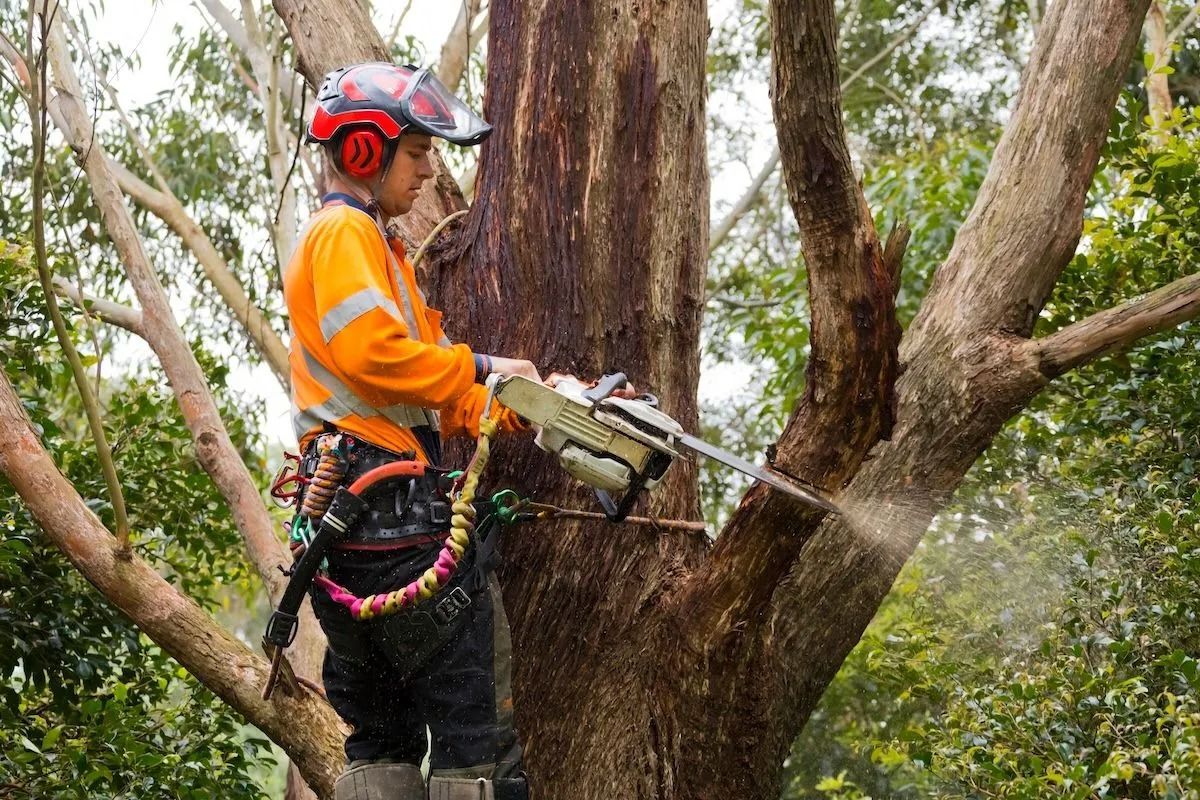
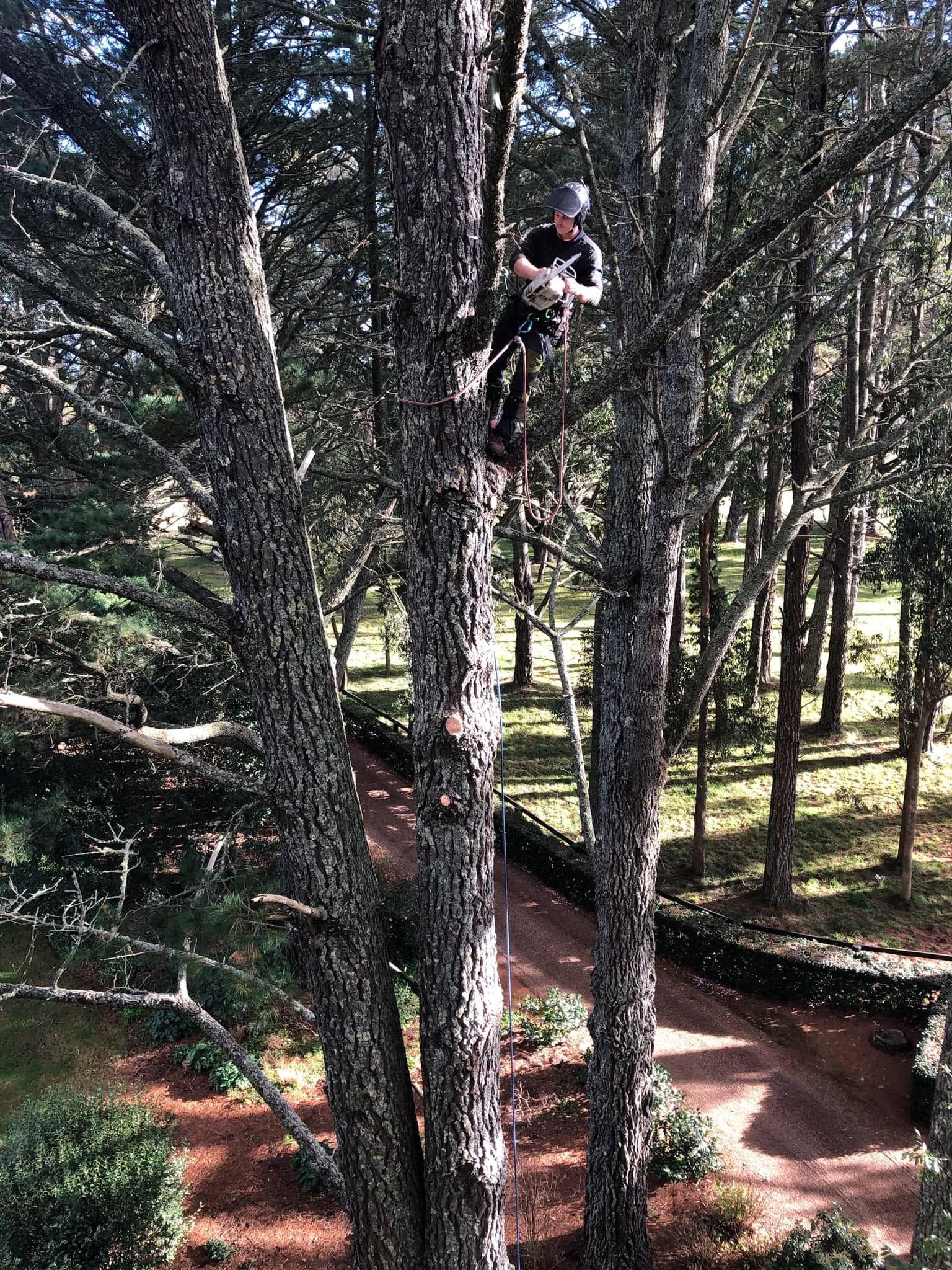
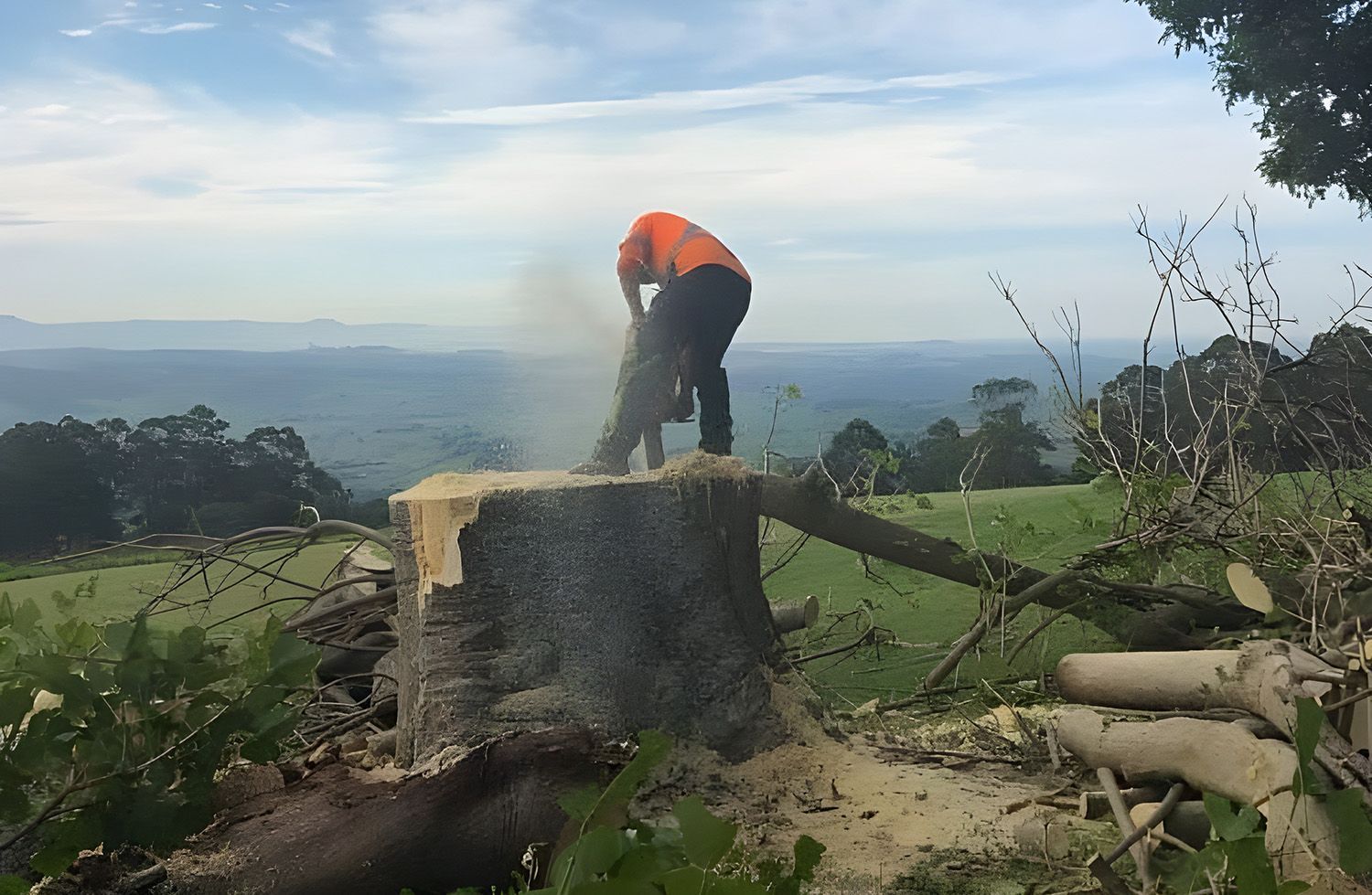
For large trees close to homes or other structures, Wollongong tree removal may require the tree to be dismantled in controlled sections rather than felled as one piece.
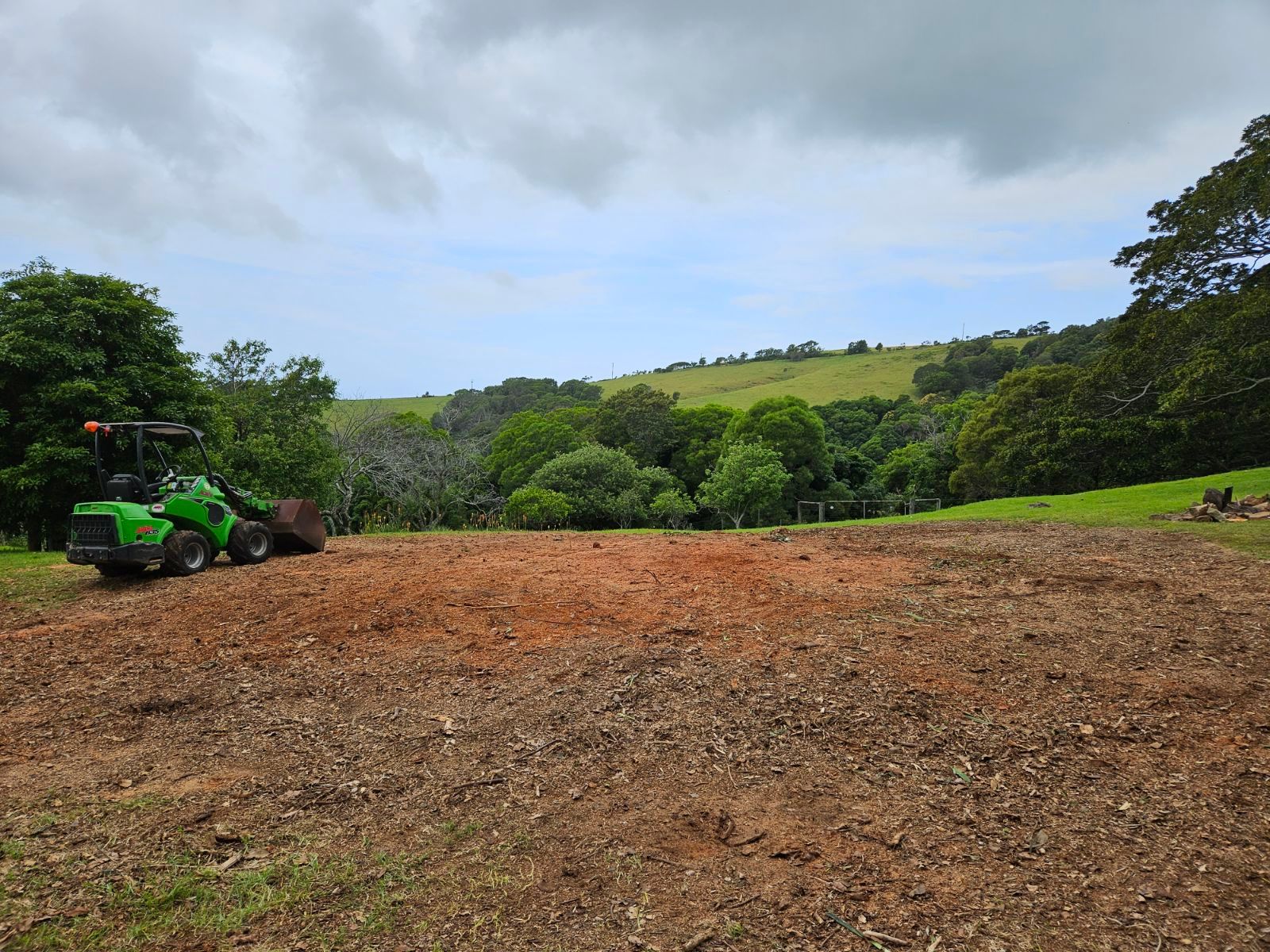
Removal may also be subject to local rules. Before proceeding, check whether you need council approval for tree work in Wollongong, particularly where local tree controls apply. Stump grinding can then be considered after removal where the remaining stump interferes with future use of the area.
The key takeaway is to identify the cause before deciding on the solution. Cracks, lifted paving and blocked drains near a tree deserve investigation, but unnecessary root cutting or removal can create new problems without fixing the original one.
If you're concerned about roots affecting your property,
contact Burnett Trees. We can assess the tree and surrounding site and discuss whether pruning, retention, stump grinding or removal should be considered for your property in Wollongong or the wider Illawarra.
Frequently Asked Questions
Can tree roots crack a house foundation?
Tree roots can interact with structures and surrounding soil, but a nearby tree isn't automatically the cause of foundation cracking. Building condition, drainage, soil movement and other factors may also need investigation.
Should I cut a tree root that's lifting my driveway?
Don't cut a major root without understanding how it may affect the tree. Depending on its size and location, removing a root could affect tree health or stability, so assessment is advisable first.
Can tree roots cause blocked sewer pipes?
Roots can enter pipes through existing cracks, failed joints or other openings and contribute to blockages. The pipe defect may also need repair to prevent the problem from recurring.
Does finding invasive tree roots mean the tree has to be removed?
Not necessarily. Whether a tree can be retained depends on the severity of the conflict, which roots are involved and whether practical management options are available.
Can stump grinding stop roots after a tree is removed?
Stump grinding removes the stump to below ground level but doesn't excavate the entire root system. The appropriate approach depends on the tree and what you plan to do with the area afterward.
Do I need approval to remove a tree in Wollongong?
Local controls may apply to tree removal or pruning, depending on the tree and property. Check the current requirements that apply to your site before arranging regulated tree work.