Tree Pruning Vs Tree Lopping: What Wollongong Homeowners Need To Know Before They Book
Tree pruning and tree lopping are not the same service. Proper pruning uses planned, targeted cuts to manage a tree’s structure, health and clearance, while lopping typically removes large sections without the same consideration for future growth. If you’re comparing quotes for tree pruning in Wollongong, that distinction matters well beyond the initial price.
A cheaper quote can look attractive, particularly when both operators seem to be offering the same result. But the method used, the person making the cuts and the condition they leave the tree in can make two apparently similar quotes very different jobs.
Tree Pruning Vs Tree Lopping: What's The Real Difference?
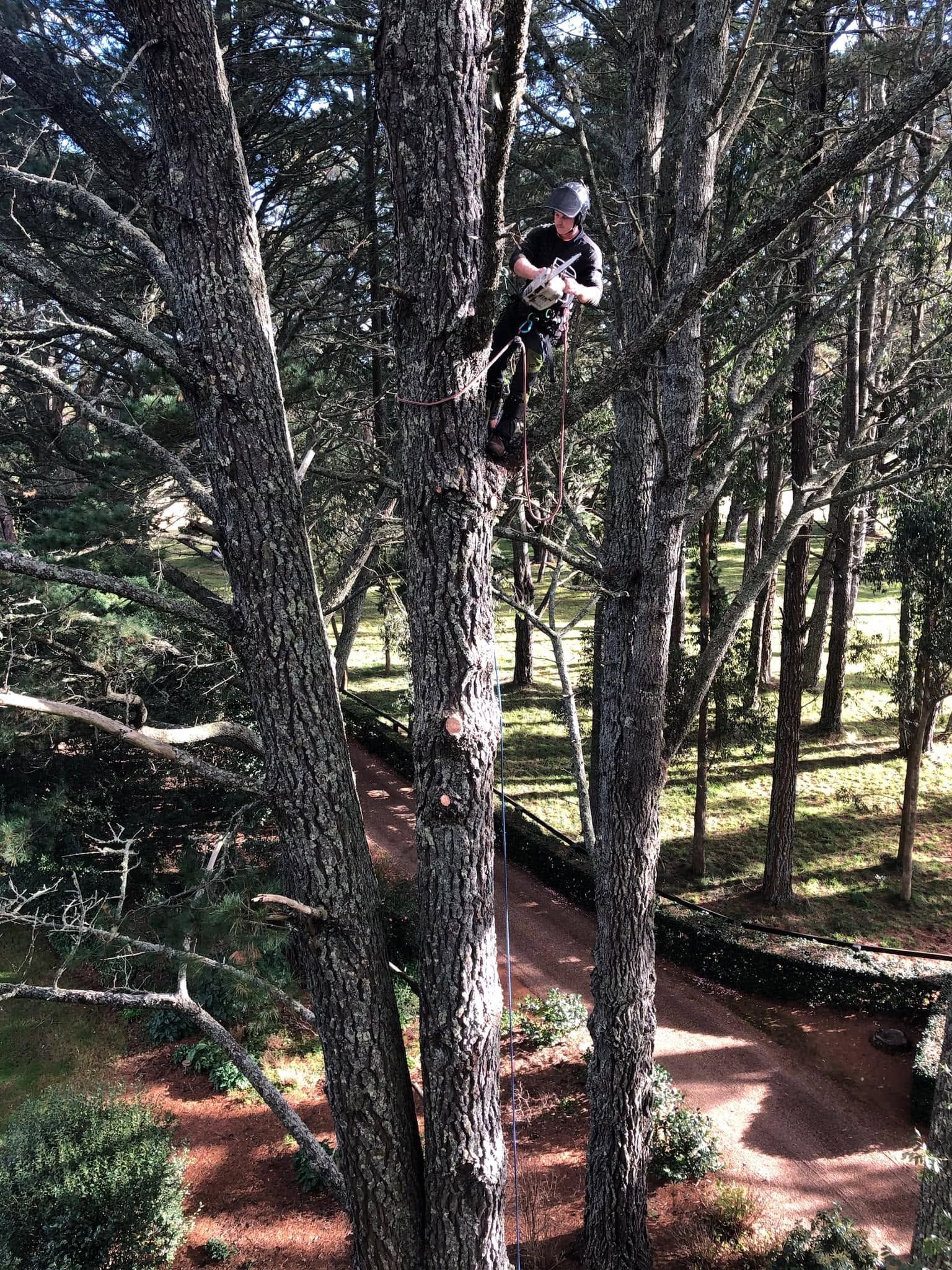
Tree pruning is selective. An arborist assesses the tree first, identifies why work is needed, then chooses appropriate branches and pruning points to achieve that objective while retaining a suitable canopy.
Depending on the tree, proper pruning might involve:
- Removing dead, damaged or defective branches
- Improving clearance from buildings or other infrastructure
- Managing particular structural issues
- Reducing selected parts of the crown
- Removing problematic branches while retaining healthy growth
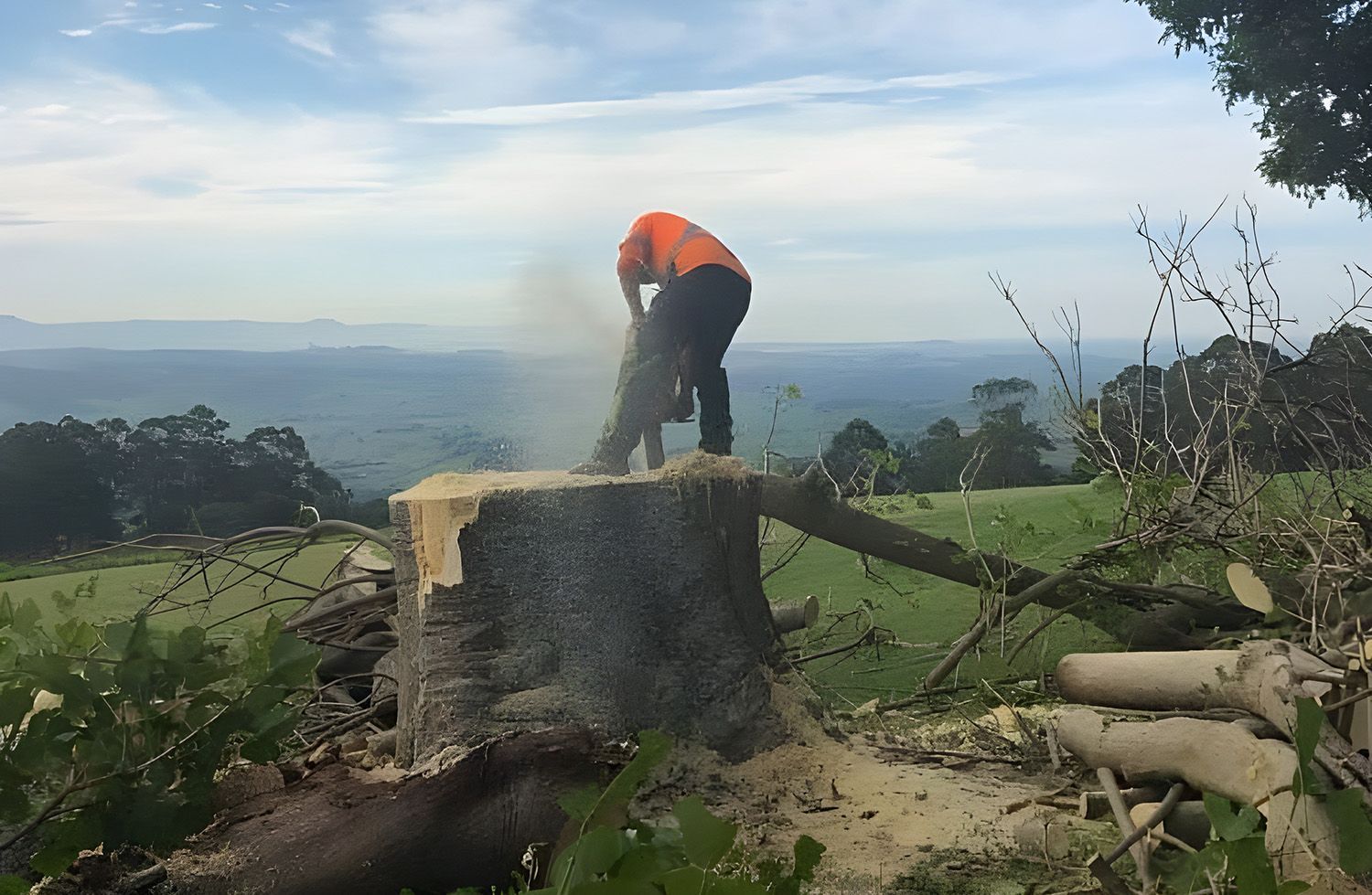
Tree lopping is generally much less selective. It commonly involves cutting branches back to arbitrary points or drastically reducing the canopy simply to make the tree smaller.
That can produce an immediate visual result, but “smaller” does not automatically mean healthier, better structured or easier to manage long term.
If you’re considering professional
tree pruning in Wollongong, ask what pruning method the quote actually covers. A clear description of the work tells you far more than a line item that simply says “trim tree”.
Why Tree Lopping Is Considered Poor Practice Under Australian Standards
Australian arboriculture distinguishes appropriate pruning from indiscriminate cutting for good reason. AS 4373-2007, Pruning of Amenity Trees, provides recognised guidance for pruning amenity trees and focuses attention on appropriate pruning practices rather than arbitrary canopy removal.
One of the problems with lopping is that it can remove large amounts of foliage and leave poorly positioned cuts. That changes both the tree’s canopy and the way it responds after the work.
Trees do not simply remain at the height where somebody cuts them. Depending on the species and its condition, heavy cutting can trigger vigorous regrowth around affected areas. That new growth does not necessarily recreate the original branch structure.
This is also why the risks of tree overgrowth are better addressed through planned tree care than repeated drastic cutting. The objective should be to solve the actual problem without creating another maintenance issue.
What Correct Pruning Actually Involves (And Why AS 4373 Matters)
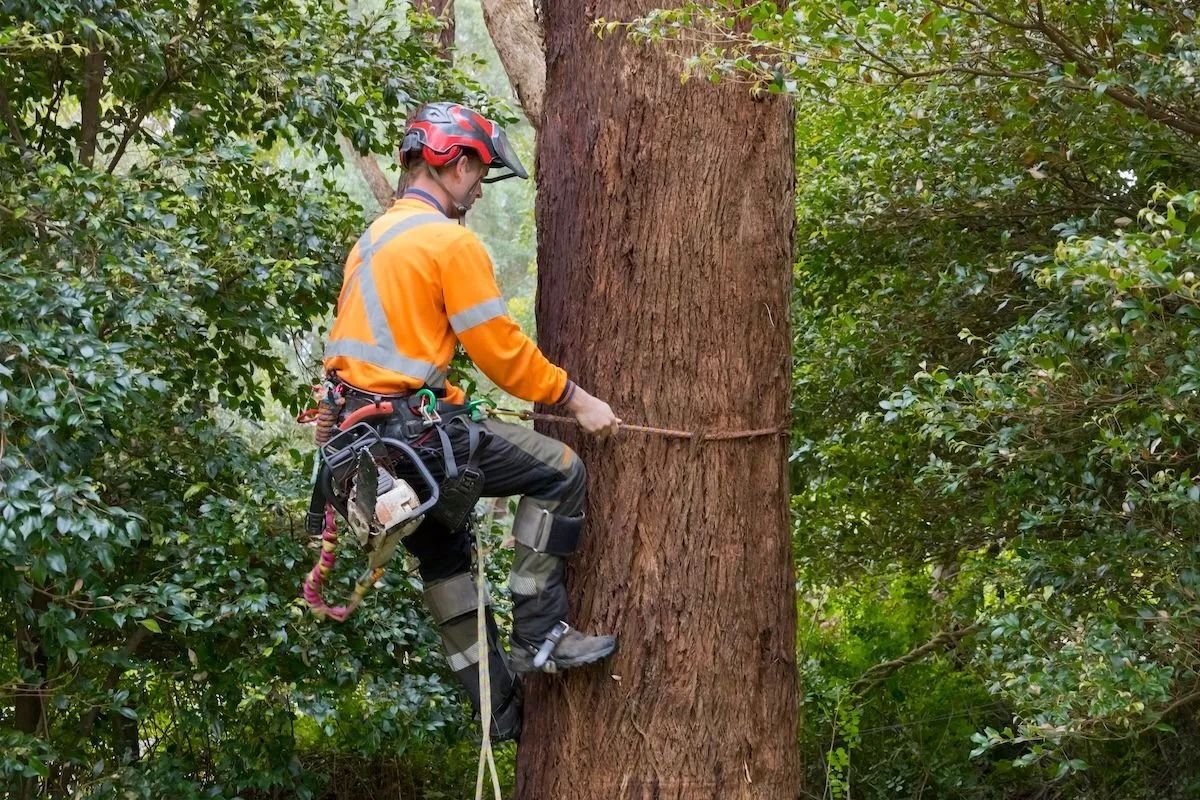
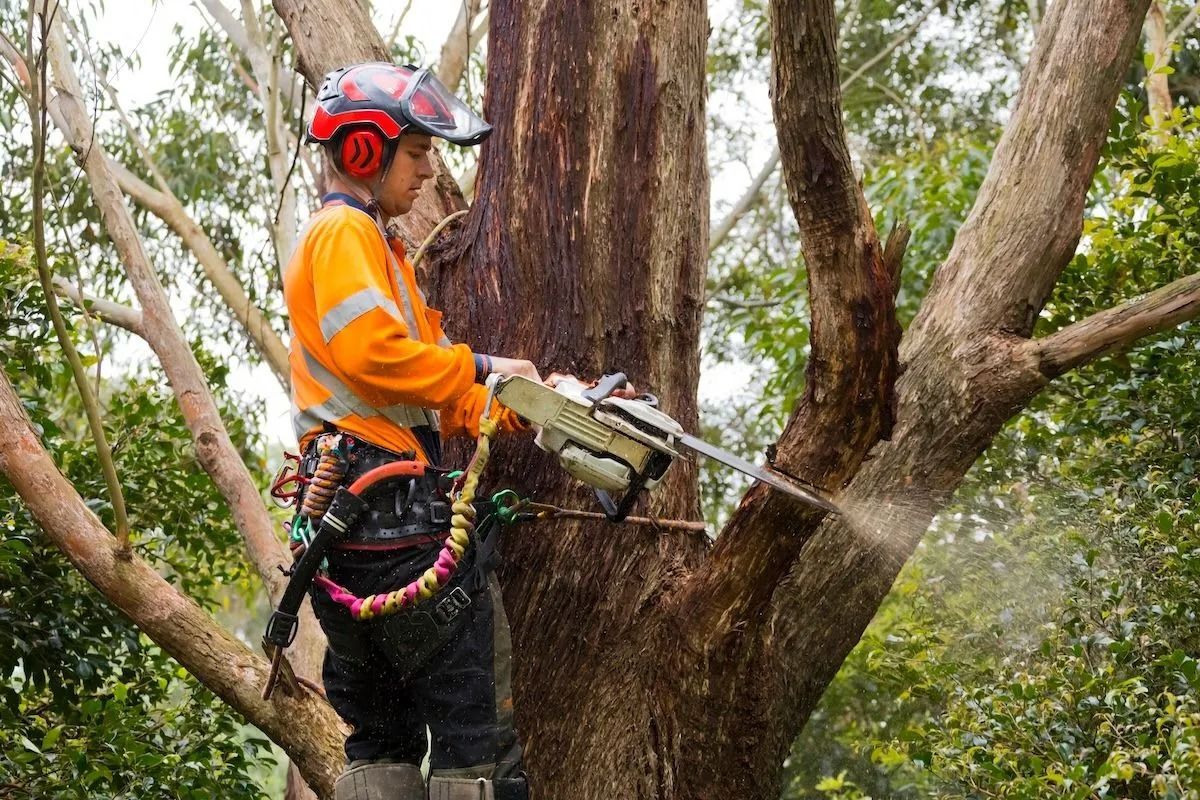
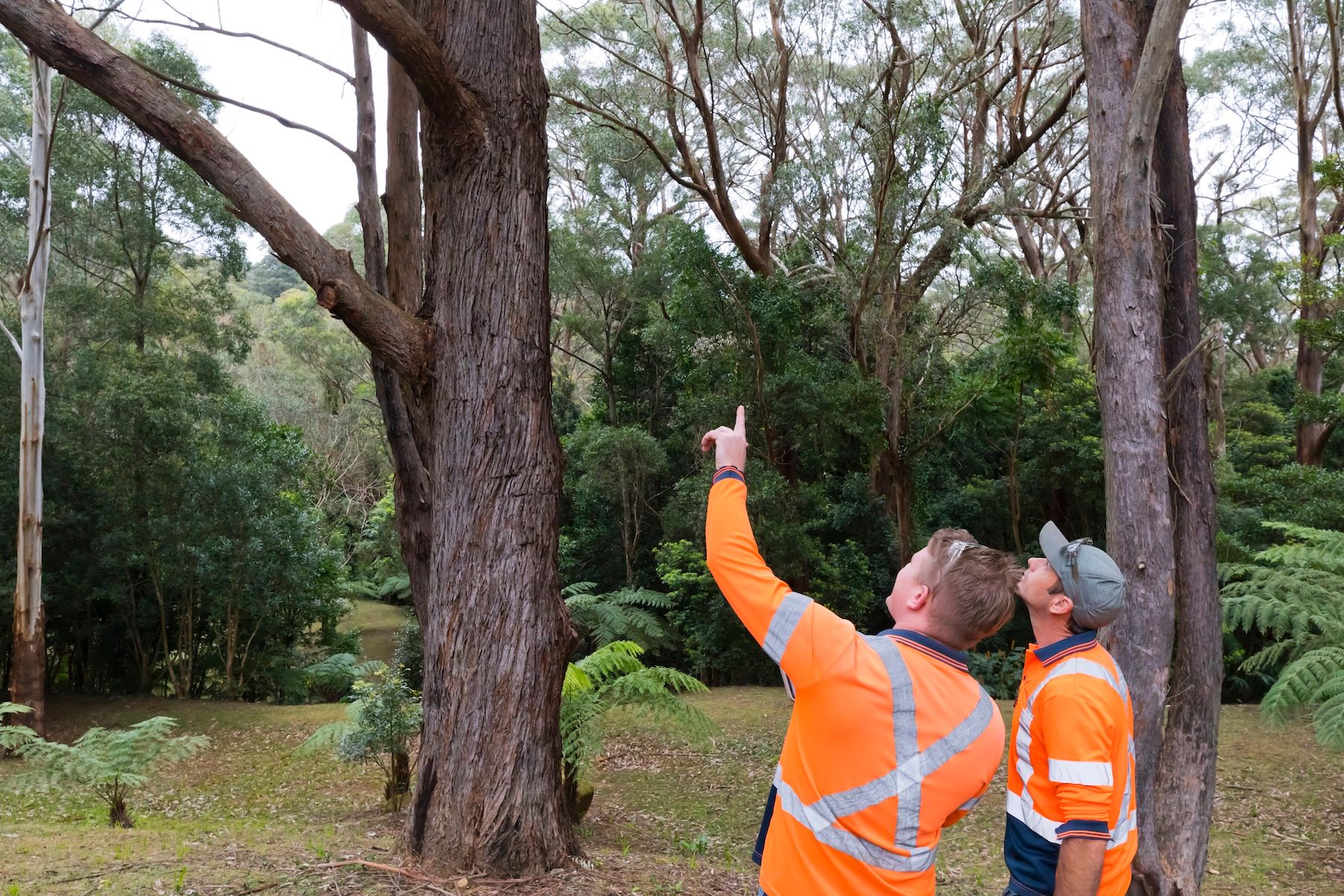
Correct pruning starts before the chainsaw or handsaw comes out. An arborist needs to understand the reason for pruning, inspect the tree and determine which cuts will achieve the required result.
For instance, a homeowner may want a tree reduced by several metres because branches are getting too close to the house. After inspecting it, an arborist may find that the actual issue is one section of the crown extending towards the roof. Selective pruning or an appropriate crown reduction may address that concern without unnecessarily cutting the entire canopy to the same height.
According to industry best practice, the process should generally consider:
- The pruning objective. Is the work for clearance, deadwood removal, structural management, crown reduction or another specific purpose?
- The species and condition. Different trees respond differently to pruning, particularly when larger branches are removed.
- Branch structure. Cuts should be selected with the tree’s existing form and future growth in mind.
- How much foliage is being removed. More cutting is not automatically better tree care.
- The tree’s condition after pruning. The finished tree should reflect a defined arboricultural objective rather than simply looking dramatically smaller.
AS 4373 matters because it gives homeowners and contractors a recognised Australian reference point for amenity tree pruning. When comparing quotes, ask whether the proposed work will be carried out with AS 4373-2007 in mind and ask the contractor to explain exactly what that means for your tree.
A qualified arborist in Wollongong should be able to explain the proposed pruning in plain English before making a single cut.
The Long-Term Damage Lopping Causes — With Examples From Common Wollongong Species
The effects of heavy lopping depend on the species, tree condition, extent of cutting and where cuts are made. Potential problems include excessive foliage loss, poorly formed regrowth, large wounds and a cycle in which the tree requires repeated intervention.
Eucalypts are an important case. A mature eucalypt with a large, established crown should not be treated as though its branches can simply be shortened to convenient points without considering how the tree will respond.
Many ornamental trees can also produce vigorous shoots following severe cutting. Fast replacement growth may make the tree look as though it has “recovered”, but abundant new foliage is not the same thing as restoring the tree’s previous structure.
Consider a Wollongong homeowner who wants more clearance above a roof and accepts a quote to heavily cut back the whole side of a mature tree. The immediate clearance looks substantial. As the tree responds, however, new shoots may develop around heavily cut areas, potentially creating a denser maintenance problem that requires another round of work.
That is one reason good crown reduction in Wollongong should be based on the individual tree and a defined objective, rather than an instruction to “take the top off”.
5 Questions To Ask Before You Book Any Tree Work
You do not need arboricultural training to ask useful questions. Before accepting a quote, ask:
- What exactly are you proposing to do to the tree?
Look for a specific explanation rather than “give it a good cut back”.
- Why are you recommending that method?
The contractor should be able to connect the proposed cuts to your actual objective.
- Will the pruning follow AS 4373-2007?
If the answer is yes, ask how the proposed work reflects appropriate pruning practice.
- What arboriculture qualifications does the person assessing or carrying out the work hold?
Do not assume that owning tree cutting equipment means someone is a qualified arborist.
- Are you appropriately insured for this work?
Ask for relevant details and check them rather than relying solely on a verbal assurance.
Clear answers are a positive sign. Vague explanations, pressure to book immediately or an unwillingness to discuss what will actually be removed deserve closer scrutiny.
How To Spot A Qualified Arborist Vs An Unqualified Operator
Start by asking about arboricultural qualifications and experience relevant to the work being quoted. A professional should also be willing to discuss the tree itself, rather than treating every job as a matter of cutting the canopy down as quickly as possible.
Pay attention to the language used during the assessment. A knowledgeable arborist is more likely to discuss pruning objectives, branch structure, species, defects, clearance requirements and the tree’s likely response to proposed work.
By contrast, statements such as “we’ll just chop the top off” or “we can take half of it out” without further assessment should prompt questions.
The quote itself can provide clues too. A useful written scope should make it reasonably clear which tree is being worked on and what type of pruning is proposed.
Price still matters, but compare like with like. A quote for selective pruning by an appropriately qualified and insured operator is not necessarily equivalent to a cheaper quote for indiscriminate cutting.
Already Had A Cheap Quote? Here's What To Check Before You Say Yes
A low price is not automatically evidence of poor work. It does mean you should check exactly what you are buying before accepting it.
Read the quote again and look for the pruning method. If it only says “lop”, “trim”, “cut back” or “reduce tree” without explaining the intended result, ask for clarification.
Then check:
- Who will assess and perform the work
- What relevant arboricultural qualifications they hold
- Whether the proposed pruning aligns with AS 4373-2007
- Which branches or sections of the crown are being targeted
- Why that amount of canopy needs to be removed
- What insurance applies to the work
- What condition the contractor expects the tree to be in afterwards
Most importantly, do not choose solely by comparing the final dollar figure. Two contractors can quote on the same tree while proposing fundamentally different work.
If previous lopping has already seriously compromised a tree, further cutting may not be the appropriate answer. An arborist should assess its current condition and available management options. Where retention is no longer appropriate, tree removal may need to be considered rather than automatically pruning it again.
For Wollongong homeowners, the practical takeaway is simple: understand the scope before approving the work.
Burnett Trees can assess the tree, explain the recommended pruning approach and help you understand what is actually included in the quote. If you want clarity before booking,
contact our team to discuss the tree and the result you need.
Frequently Asked Questions
Is tree lopping the same as tree pruning?
No. Proper tree pruning involves selective cuts made for defined objectives, while lopping generally refers to more indiscriminate or severe cutting. The difference matters because the way branches are removed can affect future growth and tree structure.
What is AS 4373-2007?
AS 4373-2007, Pruning of Amenity Trees, is an Australian Standard relating to the pruning of amenity trees. Homeowners can ask tree contractors whether their proposed pruning approach follows the standard and how it applies to the particular job.
Can tree lopping make a tree grow back faster?
Heavy cutting can stimulate vigorous regrowth in some trees. The response varies by species and condition, and rapid new shoots should not automatically be interpreted as improved tree structure or health.
What should a tree pruning quote include?
A useful quote should clearly identify the tree and describe the proposed work rather than relying on vague terms such as “trim” or “cut back”. You should also confirm who will carry out the work, their relevant qualifications and the applicable insurance.
How do I know whether an arborist in Wollongong is qualified?
Ask directly about their arboricultural qualifications and relevant experience, and request evidence where appropriate. A qualified arborist should also be able to explain why particular pruning is recommended and how the tree is expected to respond.
Is the cheapest tree pruning quote a bad idea?
Not necessarily. Price alone cannot tell you whether the work is appropriate, so compare the actual scope, pruning method, qualifications and insurance behind each quote. A cheaper quote and a more expensive quote may be proposing very different treatments for the same tree.