5 Common Tree Problems In Wollongong Coastal Areas
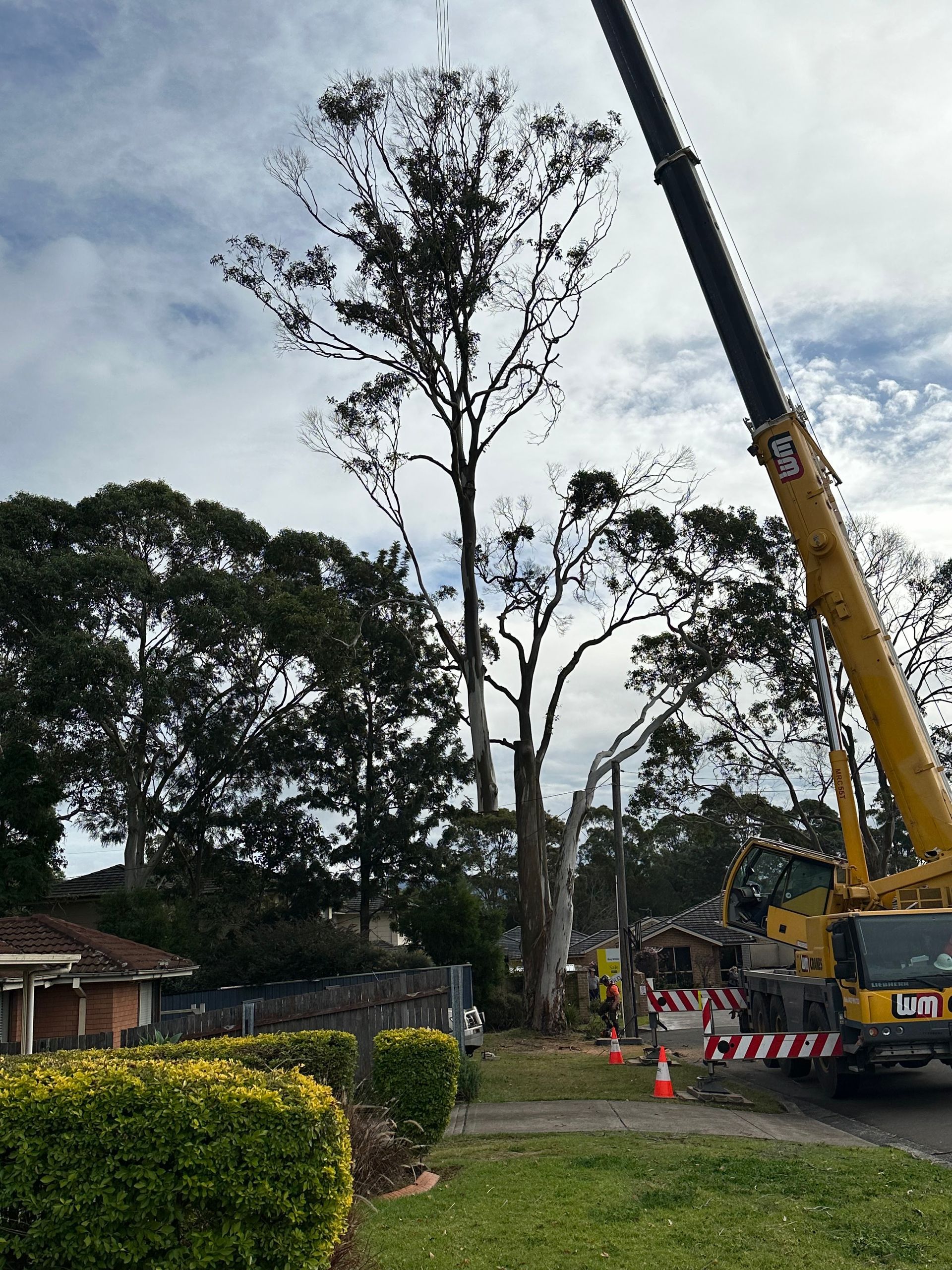
Trees add shade, privacy, and natural beauty to coastal properties, but growing near the ocean comes with challenges. Homeowners in Wollongong’s coastal suburbs often notice that trees behave differently compared to inland areas. Environmental stress, soil conditions, and regional pests can all affect tree health. In some cases, early intervention can preserve a tree. In others, Wollongong tree removal may become the safest and most practical solution.
Understanding the most common tree problems in coastal environments helps property owners recognise warning signs early and decide when professional assessment is needed.
1. Salt Burn and Salt Exposure
One of the most common issues affecting coastal trees is salt exposure. Sea spray carried by wind can settle on leaves, branches, and soil. Over time, salt accumulation can interfere with a tree’s ability to absorb water and nutrients.
Signs of salt damage include:
- Browning or burnt leaf edges
- Leaf drop outside normal seasonal patterns
- Stunted growth
- Twig dieback
Salt stress weakens trees gradually, making them more vulnerable to disease and structural instability. If decline becomes advanced, tree removal Wollongong services may be required to prevent safety risks.
2. Wind Damage and Structural Weakness
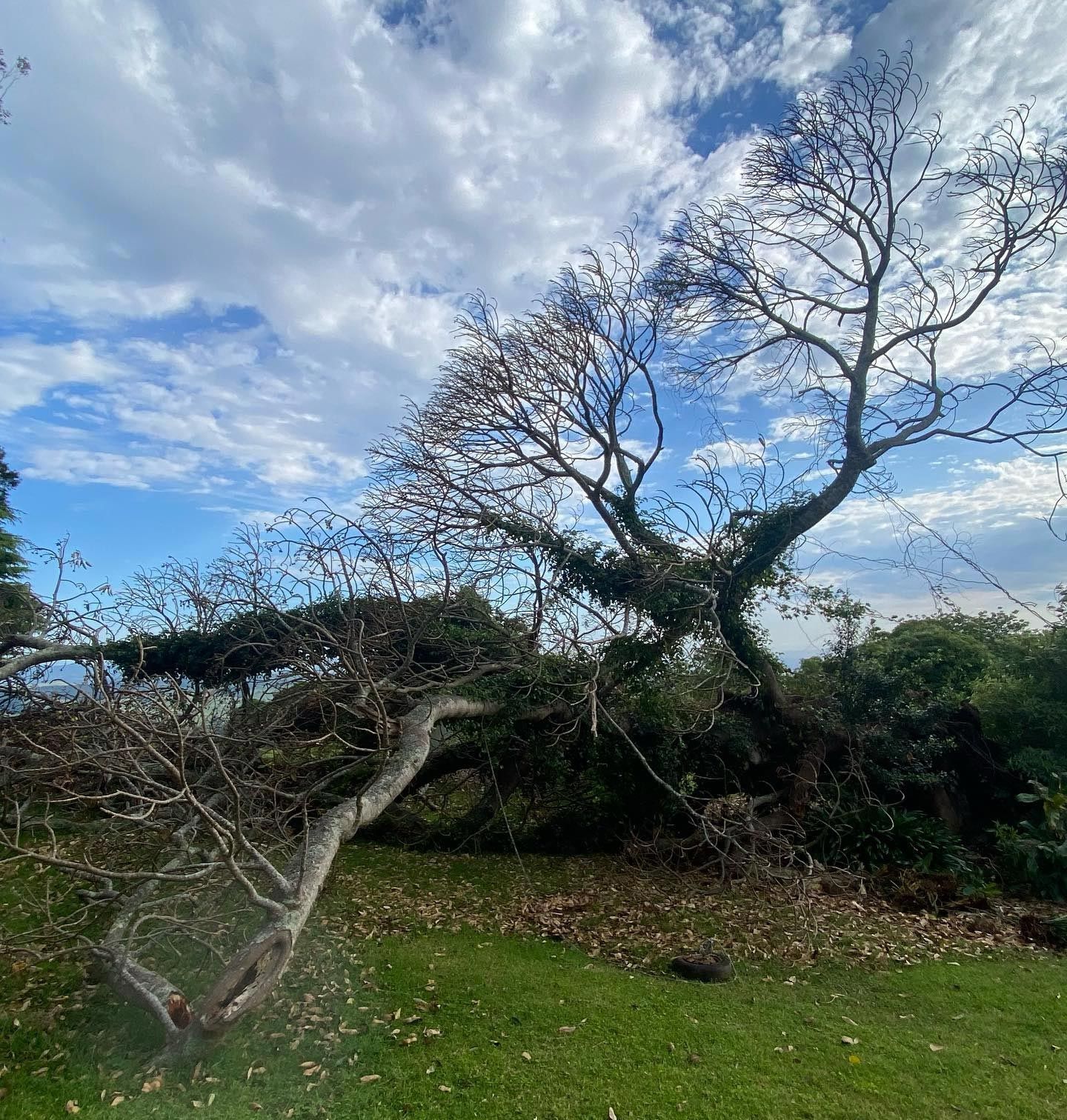
Coastal areas experience stronger and more consistent winds. Over time, repeated wind stress can affect tree structure, particularly in species not suited to exposed conditions.
Common wind-related issues include:
- Leaning trunks
- Split branches
- Cracked or weakened limbs
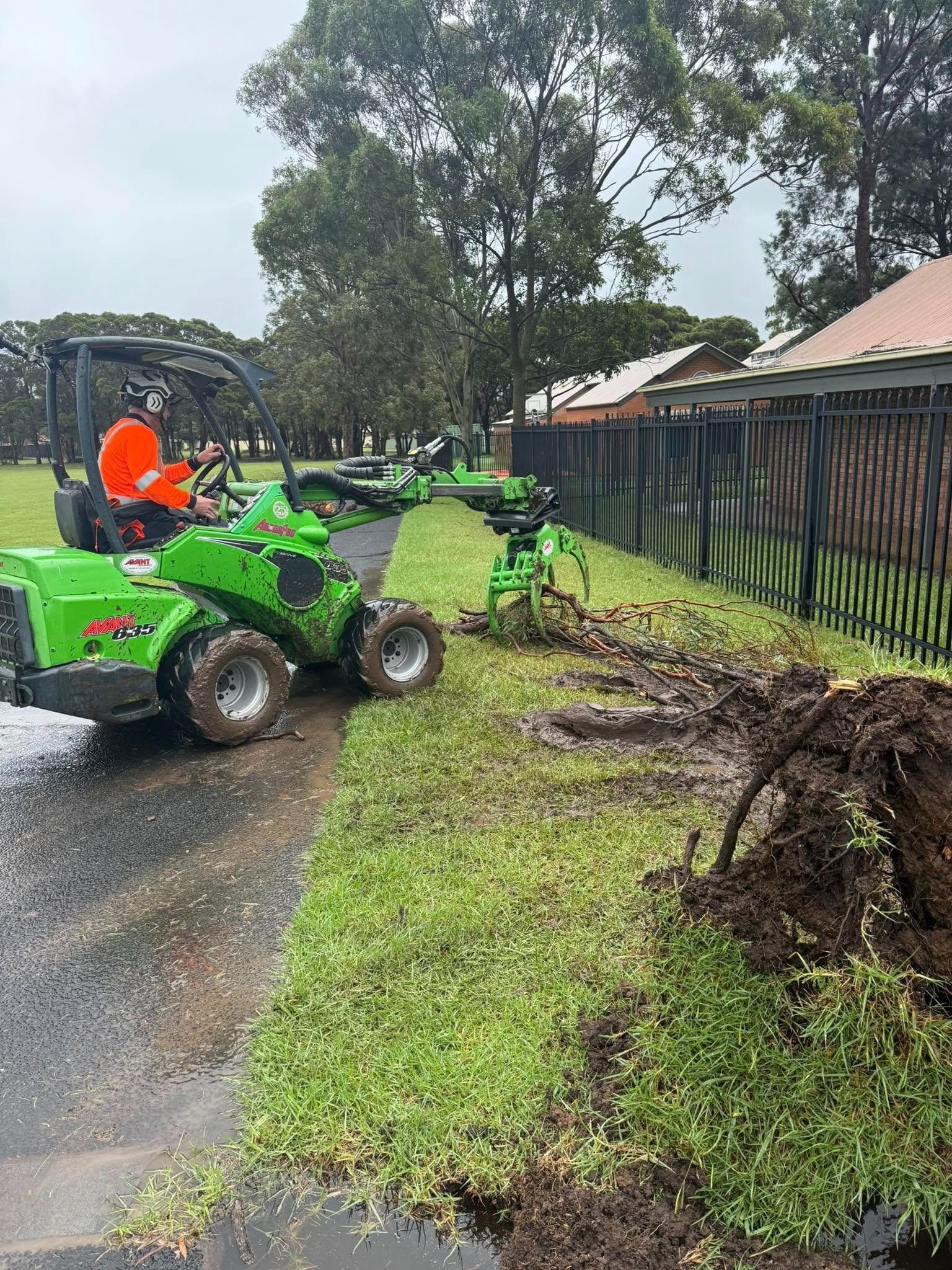
- Uprooted trees after storms
Trees with compromised structure may pose risks to buildings, fences, and neighbouring properties. A professional assessment can determine whether pruning is sufficient or whether tree removal in Wollongong is the safer option.
3. Poor Soil Conditions and Drainage
Sandy coastal soils often drain quickly and may lack essential nutrients. In some areas, compacted soils or high moisture levels can also limit healthy root development.
Soil-related tree problems may present as:
- Yellowing leaves
- Reduced canopy density
- Slow growth
- Surface root exposure
Shallow or poorly anchored roots increase the likelihood of instability during storms. In severe cases, tree removal Wollongong specialists may be consulted when root systems no longer provide safe support.
4. Pest Infestations Common to Coastal Regions
Coastal environments can attract a range of pests that weaken trees over time. Once a tree is under stress from wind or salt, it becomes more susceptible to insect damage.
Common pests in the Wollongong region may include:
- Borers that tunnel into trunks and branches
- Psyllids affecting foliage
- Scale insects that weaken leaves and stems
- Termites in already compromised trees
Early treatment may prevent further damage. However, advanced infestations can affect structural integrity and require professional intervention.
5. Fungal Diseases and Rot
High humidity and rainfall in coastal areas can create conditions favourable to fungal growth. Fungal infections may not always be visible until the damage is advanced.
Warning signs include:
- Mushrooms or fungal growth at the base of the trunk
- Soft or hollow sections in the wood
- Cracked bark
- Dead branches in the canopy
Internal rot weakens the structural strength of the tree, increasing the risk of falling branches. Where decay is extensive, Wollongong tree removal may be necessary to reduce hazards.
How Coastal Conditions Combine to Increase Risk
In coastal Wollongong suburbs, environmental stressors often overlap. A tree exposed to salt spray may also experience strong winds, nutrient-poor soil, and pest pressure. Over time, these combined factors can accelerate decline.
When multiple stress signs appear, such as leaning combined with leaf loss and branch dieback, a professional inspection is advisable.
Early Warning Signs Homeowners Should Watch For
Regular visual checks can help identify developing problems before they escalate.
Look for:
- Changes in canopy density
- Cracks in the trunk
- Dead or hanging branches
- Sudden leaning after storms
- Soil lifting around the base
These signs may indicate structural compromise or root instability.
When Professional Intervention Is Needed
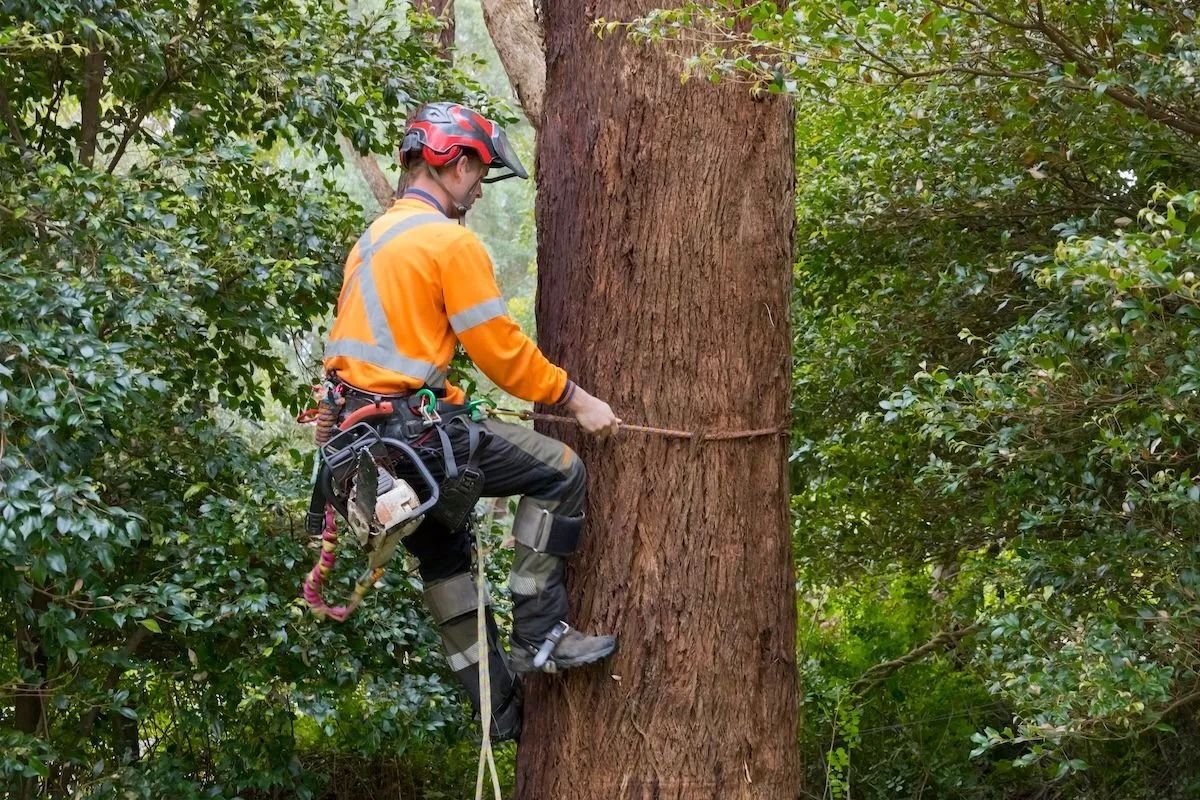
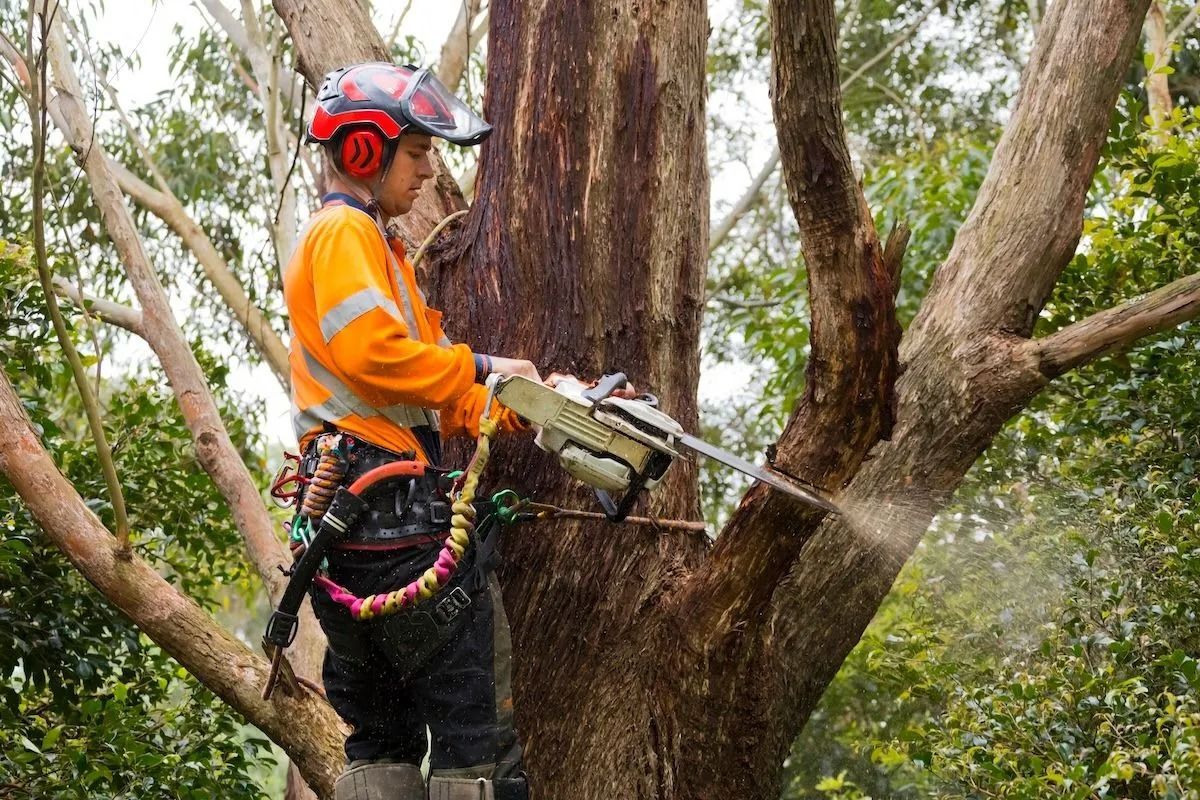
Not all tree problems require removal. In many cases, pruning, soil improvement, or pest treatment can restore tree health. However, if a tree poses a safety risk or shows advanced structural decline, removal may be the most responsible course of action.
Tree removal Wollongong services are often recommended when:
- A tree is severely leaning
- Large branches are at risk of falling
- Internal rot compromises strength
- Roots threaten foundations or underground services
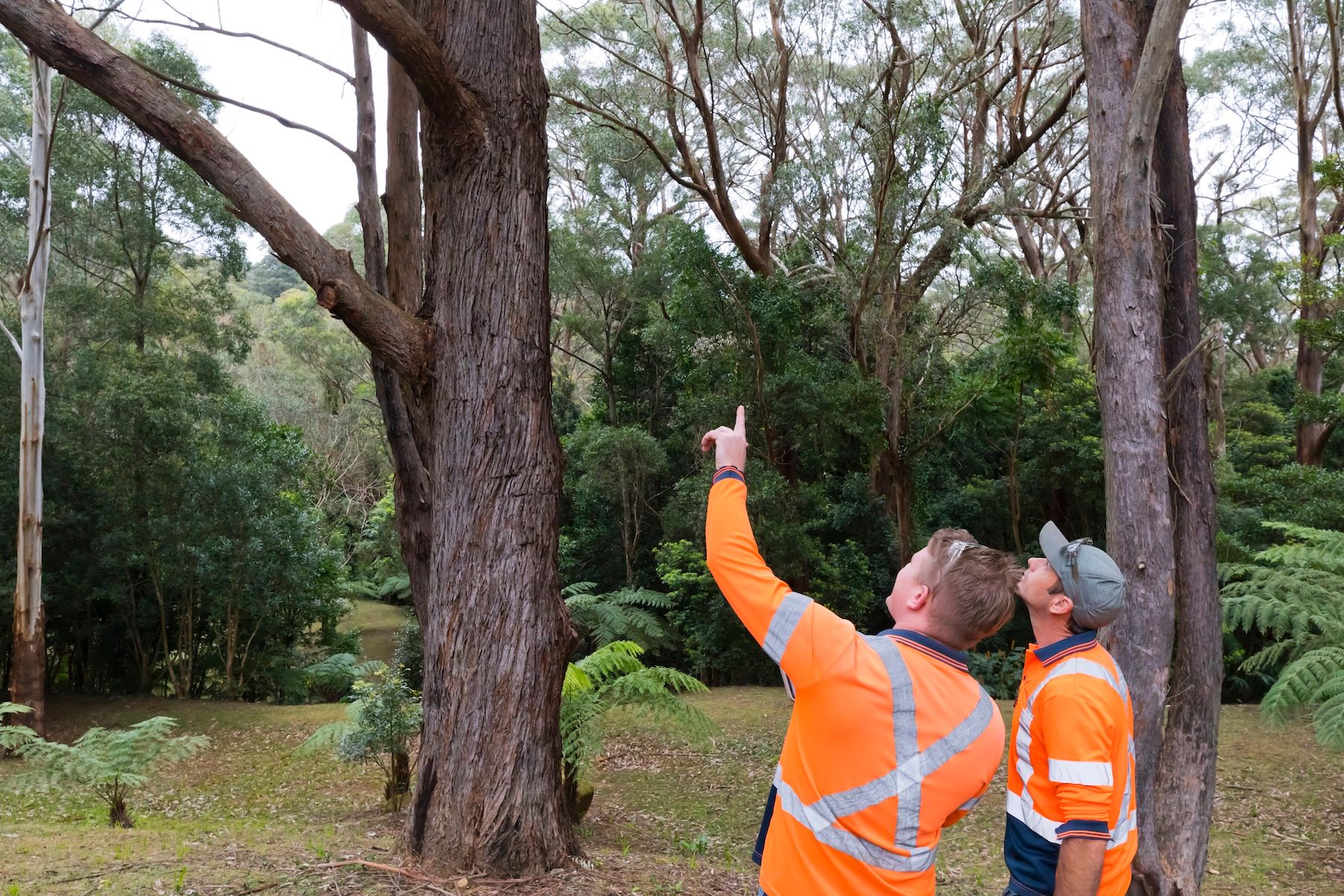
Professional assessment helps determine the safest solution.
Protecting Your Property and Surroundings
Trees that are unstable or diseased can damage homes, vehicles, fences, and neighbouring properties. Acting early can reduce the risk of costly damage following storms or high winds.
Consulting specialists in Wollongong tree removal allows homeowners to make informed decisions based on the tree’s condition and location.
Maintaining Healthy Coastal Trees
To support tree health in coastal environments:
- Choose species suited to salt and wind exposure
- Monitor for pest activity
- Ensure adequate drainage
- Arrange periodic professional inspections
Preventative care helps extend the lifespan of trees and reduce the likelihood of emergency removal.
Book a Tree Assessment in Wollongong
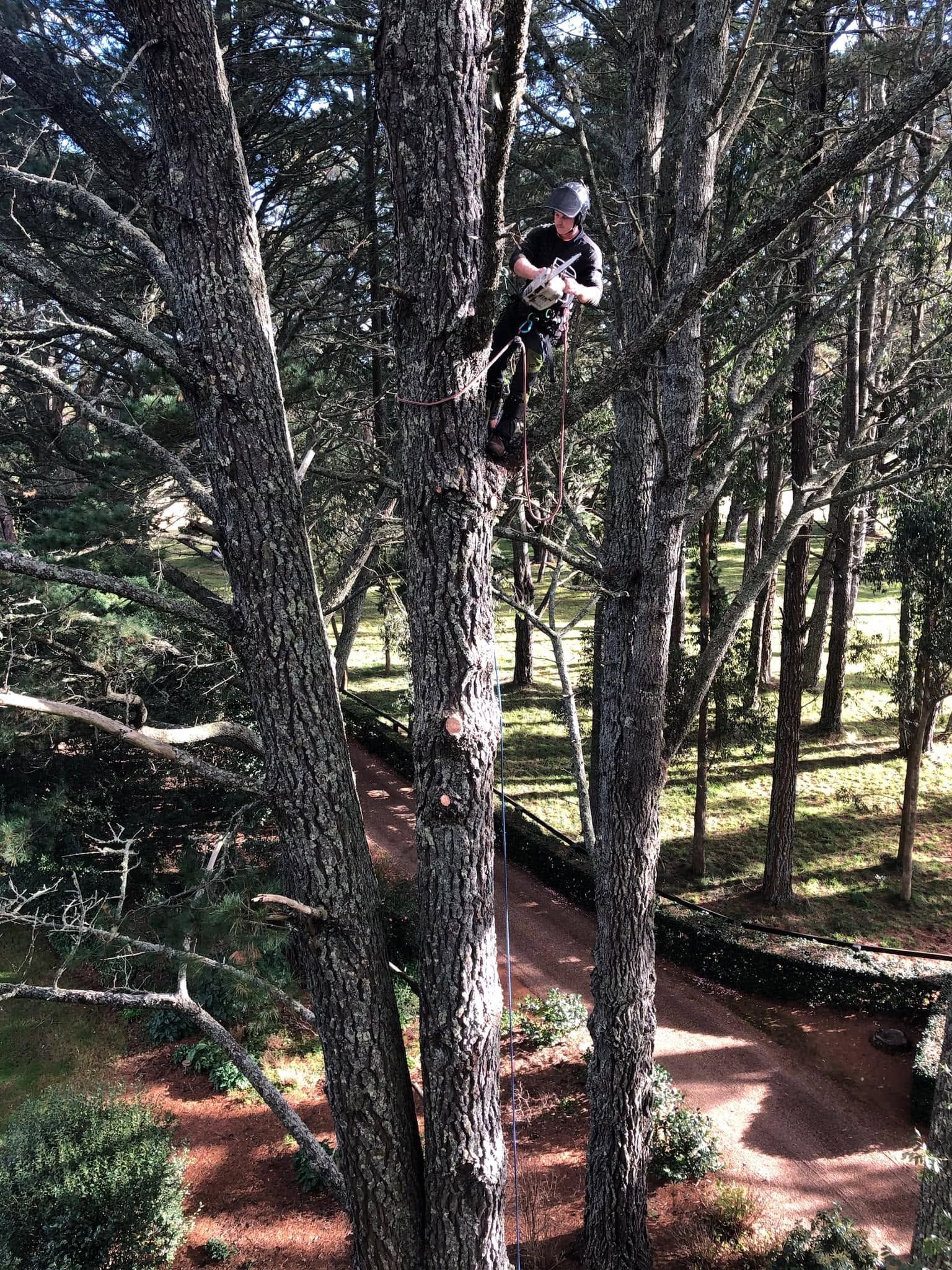
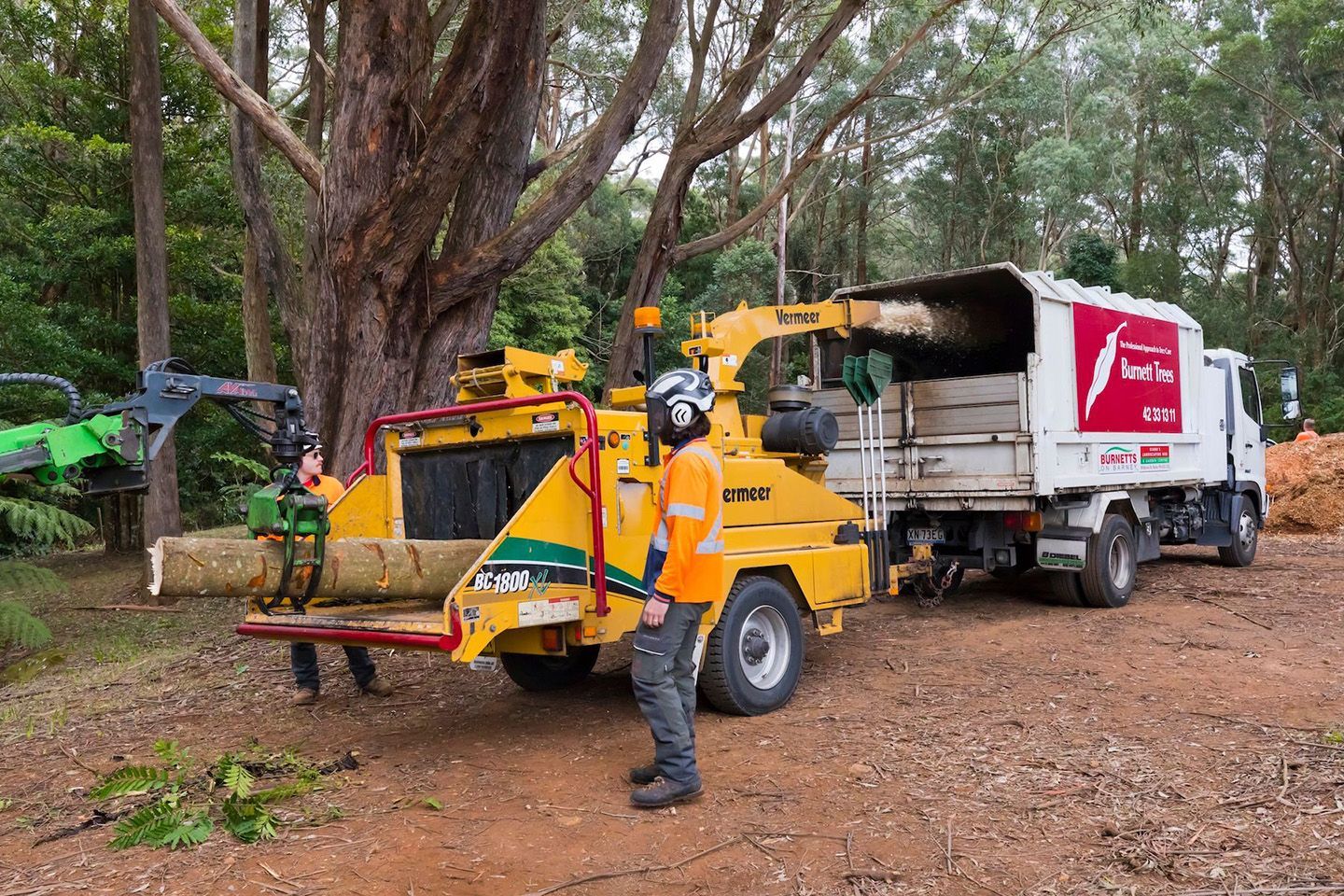
We at Burnett Trees assist homeowners with professional assessment, pruning, and tree removal services across Wollongong and coastal suburbs. If you have concerns about salt damage, storm impact, or declining tree health, visit our Tree Removal Wollongong page to learn more about our services.
Addressing tree problems early can help protect your property and ensure your outdoor space remains safe and well-maintained.