Reducing Bushfire Risk: Firebreaks And Defensible Space Around Your Property
Defensible space and firebreaks are two of the most effective ways Wollongong property owners can reduce bushfire risk before summer. Both work by cutting the amount of vegetation available to burn near a home, slowing fire spread and giving firefighters room to work. Getting the balance right, though, means understanding what can be cleared, what needs approval and where professional land clearing in Wollongong fits in.
Why Bushfire Preparation Matters for Wollongong Properties
The escarpment runs close to suburbs across Wollongong, and many properties back directly onto bushland reserves, national park or steep, densely vegetated slopes. That proximity is part of what makes the region appealing to live in, but it also means embers, radiant heat and direct flame contact can reach a home far more easily than in a suburb surrounded by cleared land.
Fire behaviour in this kind of terrain is different to open country. Steep escarpment slopes accelerate fire spread uphill, wind funnels through gullies and continuous canopy along bushland fringes lets fire move from treetop to treetop rather than staying on the ground. A property owner who understands this local risk profile is in a far better position to prepare effectively than one relying on generic bushfire advice written for flat, open landscapes.
What Is Defensible Space and an Asset Protection Zone?
Defensible space is simply the area around a building where vegetation has been managed to reduce fuel and give firefighters and residents a safer area to work in during a bushfire. It is not about stripping a property bare. It is about reducing the volume, continuity and flammability of vegetation close to structures.
The NSW Rural Fire Service (NSW RFS) formalises this concept through Asset Protection Zones (APZs), described in the RFS's Standards for Asset Protection Zones. An APZ is a fuel-reduced buffer between a bush fire hazard and a building, typically split into an inner protection area close to the structure and an outer protection area further out. Within an APZ, ground fuels like fallen leaves and bark are kept to a minimum, grass is cut short and tree canopy is managed so fire cannot travel continuously from the bushland to the building. The required APZ width for a given property depends on factors such as slope, vegetation type and the nature of the development, so it varies from site to site.
Reducing Fuel Loads Around Your Property
Fuel load reduction is the practical work that makes defensible space effective. On most Wollongong properties, three things drive fuel load more than anything else:
- Dense undergrowth. Thick shrub layers beneath a tree canopy create a ladder that lets ground fire climb into the treetops. Thinning this layer, rather than removing every plant, is usually the better long-term approach.
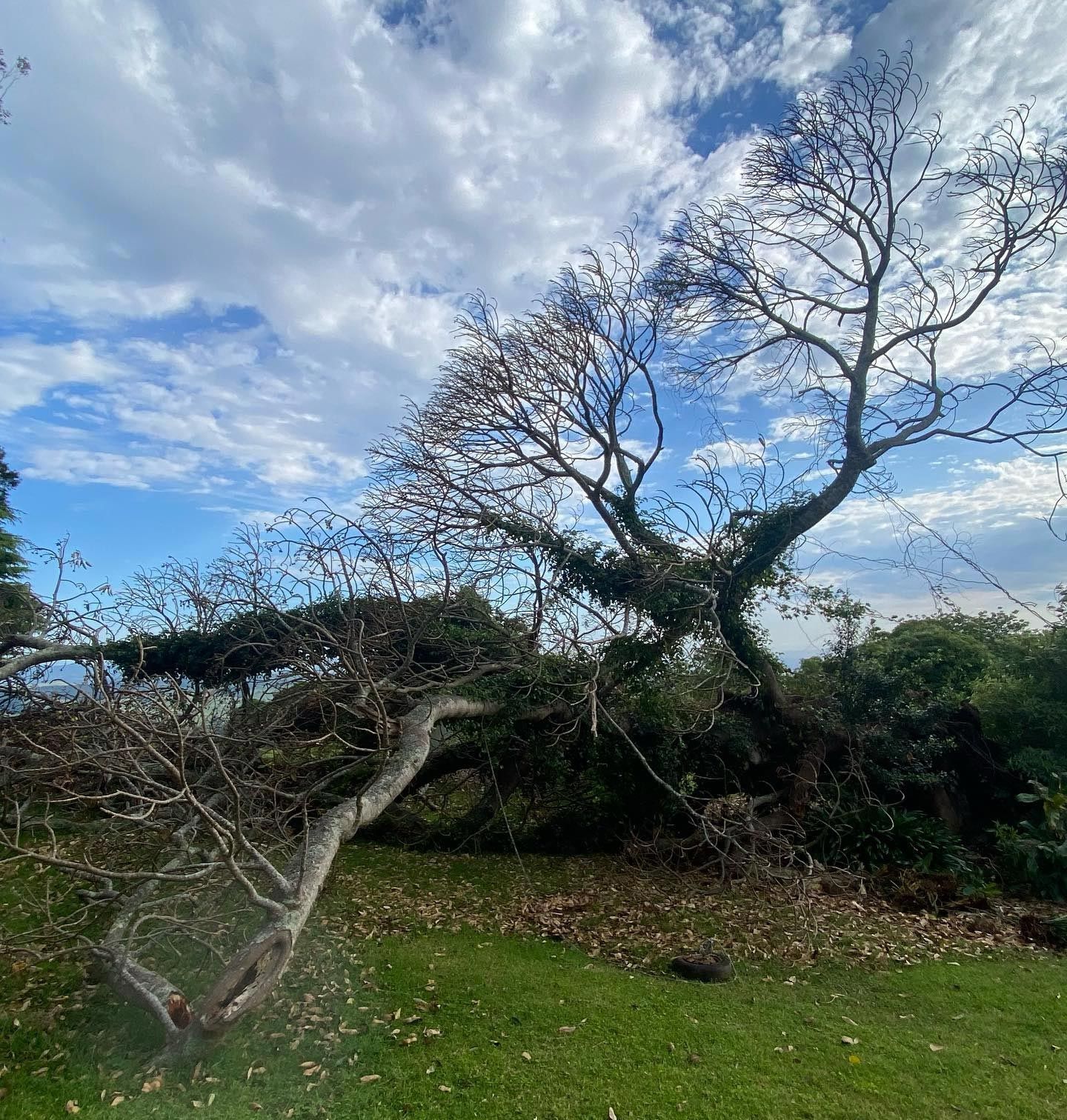
- Dead trees and fallen limbs. Dead wood is drier and burns more readily than live vegetation. Standing dead trees near a home, and fallen limbs left on the ground, are both worth prioritising for removal.
- Long grass. Grass fires spread quickly and can carry flame into garden beds and closer to structures. Keeping grass mown short around buildings is one of the simplest and most effective steps a property owner can take.
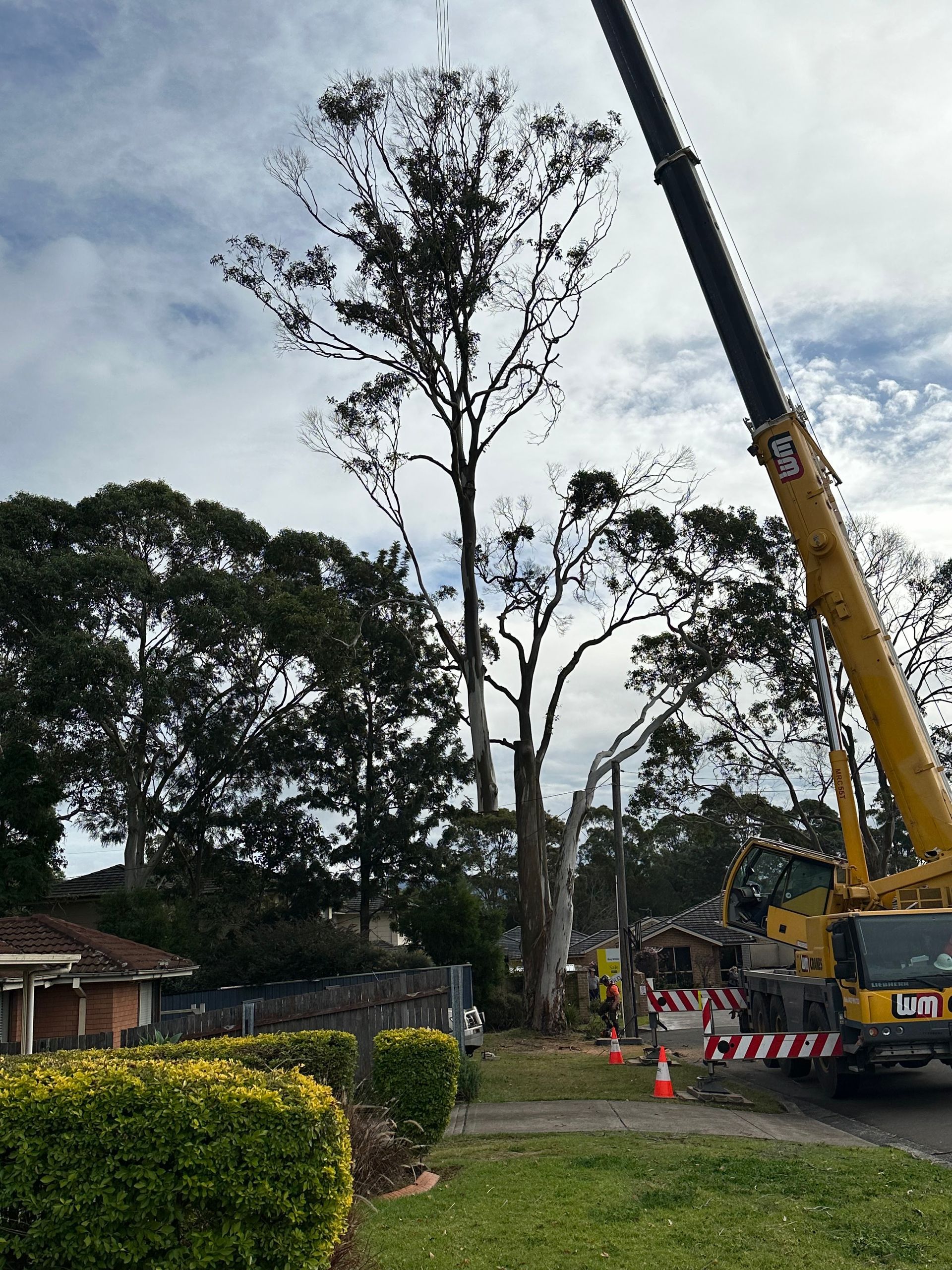
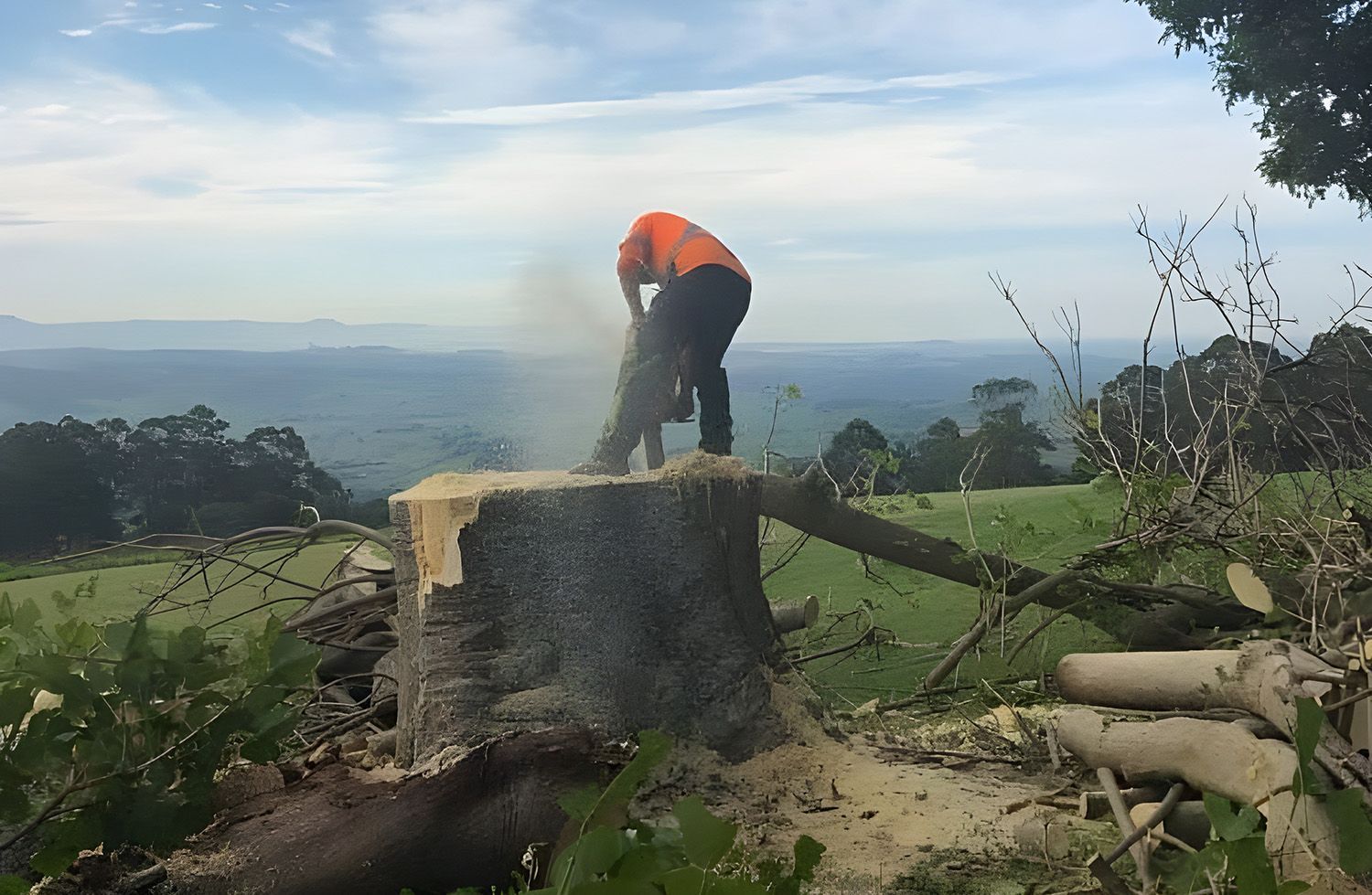
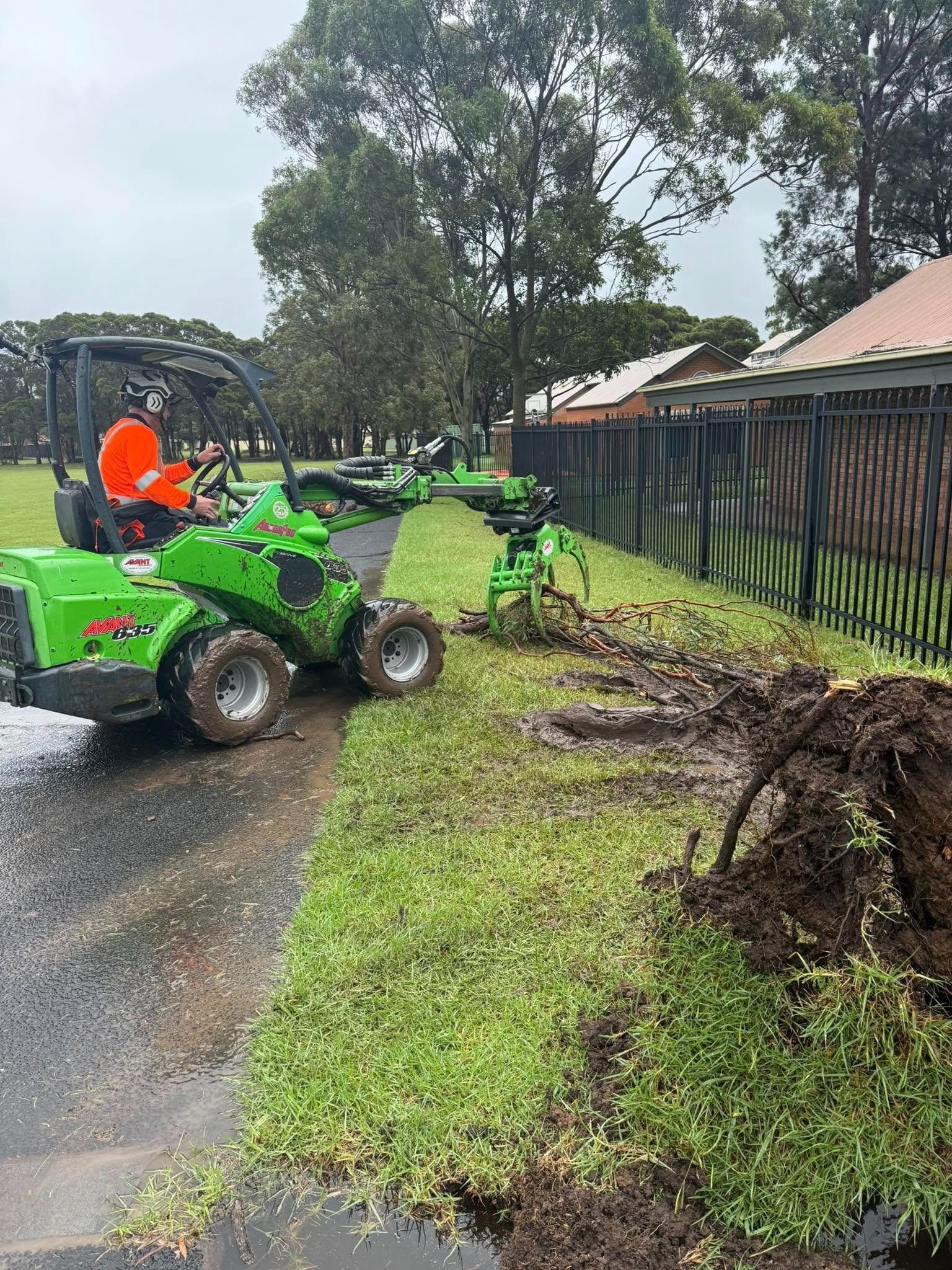
Removing hazardous trees may be an important consideration when reducing potential fuel and safety risks around a property, particularly where a dead or structurally unsound tree sits within an asset protection zone. Ongoing management matters as much as a single clearing effort, since undergrowth and grass regrow every season.
Creating and Maintaining Firebreaks
A firebreak is a strip of land, cleared or maintained with minimal vegetation, designed to slow or stop the spread of fire and give firefighters a point to work from. On rural and semi-rural Wollongong properties, firebreaks are often positioned along property boundaries, around outbuildings or between bushland and cultivated or built-up areas.
An effective firebreak needs to be wide enough to interrupt fire spread for the vegetation type and slope involved, and it needs upkeep. A firebreak that was cleared last year but has since regrown with grass and scrub no longer functions as intended. Maintaining a firebreak typically means periodic mowing, slashing or targeted clearing to keep fuel levels low along its length, ideally scheduled ahead of the fire danger period each year rather than left until conditions are already hazardous.
The NSW 10/50 Vegetation Clearing Code: What It Allows and Where It Applies
The NSW Government's 10/50 Vegetation Clearing Code of Practice allows eligible property owners in mapped entitlement areas to clear certain vegetation without separate council or state approval: trees within 10 metres of a home, and other vegetation such as shrubs within 50 metres, subject to the conditions set out in the Code. Not every property is eligible, and the Code includes specific restrictions, for example around waterways, steep slopes and other sensitive areas, so eligibility and conditions need to be confirmed for each individual site.
The only way to know whether a specific property sits within a mapped 10/50 entitlement area, and what conditions apply there, is to check the NSW RFS's official 10/50 online tool before doing any clearing under the Code. Because entitlement area maps and Code conditions can be updated, property owners should always verify current details directly with the NSW RFS rather than relying on general summaries, including this one. Clearing outside the scope of the 10/50 Code, or clearing that falls outside what an individual property is entitled to under the Code, may still require separate approval.
Balancing Bushfire Safety With Vegetation Protection
Bushfire preparation and vegetation protection are sometimes framed as opposing goals, but on most properties they are compatible. The escarpment and surrounding bushland support significant biodiversity, and much of it sits within protected areas, heritage-listed land or council-managed vegetation zones where broader environmental and planning controls apply alongside bushfire rules.
The practical goal is targeted fuel reduction, not blanket clearing. Thinning dense undergrowth, removing dead and hazardous material and maintaining a defined asset protection zone around structures typically achieves the safety benefit without unnecessary loss of tree cover or habitat.
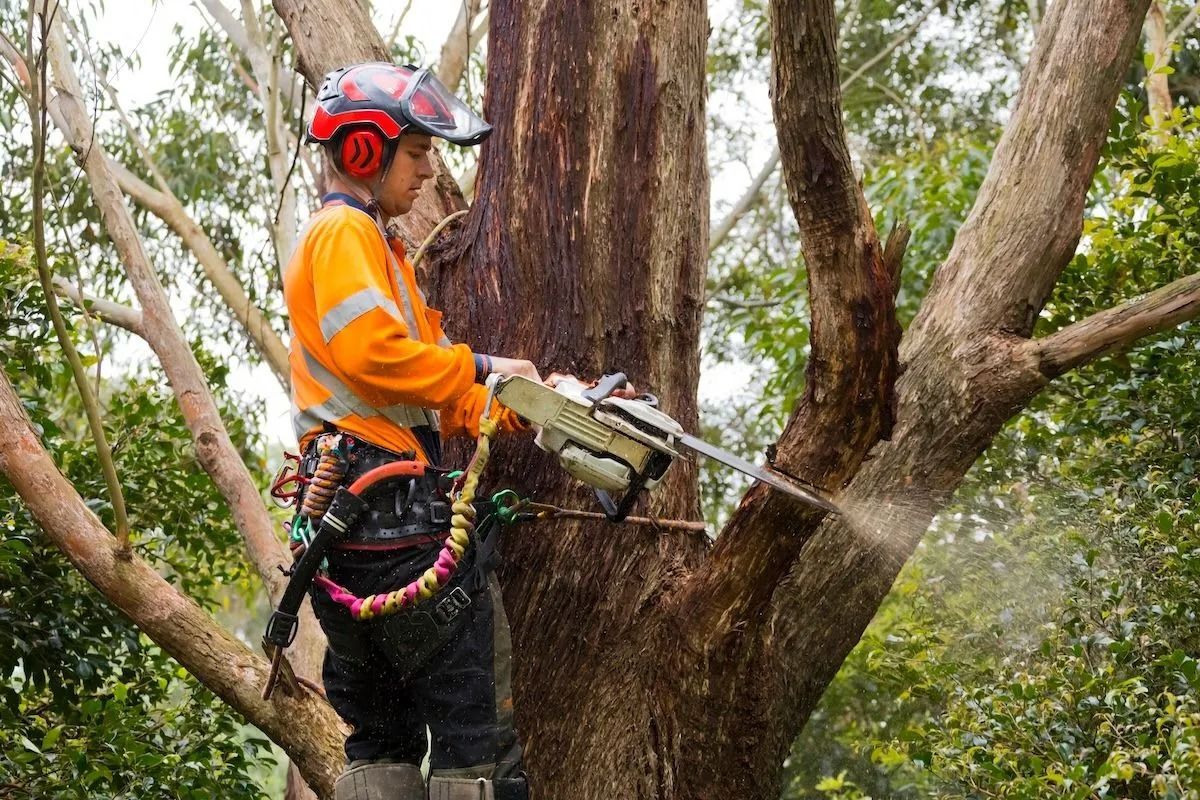
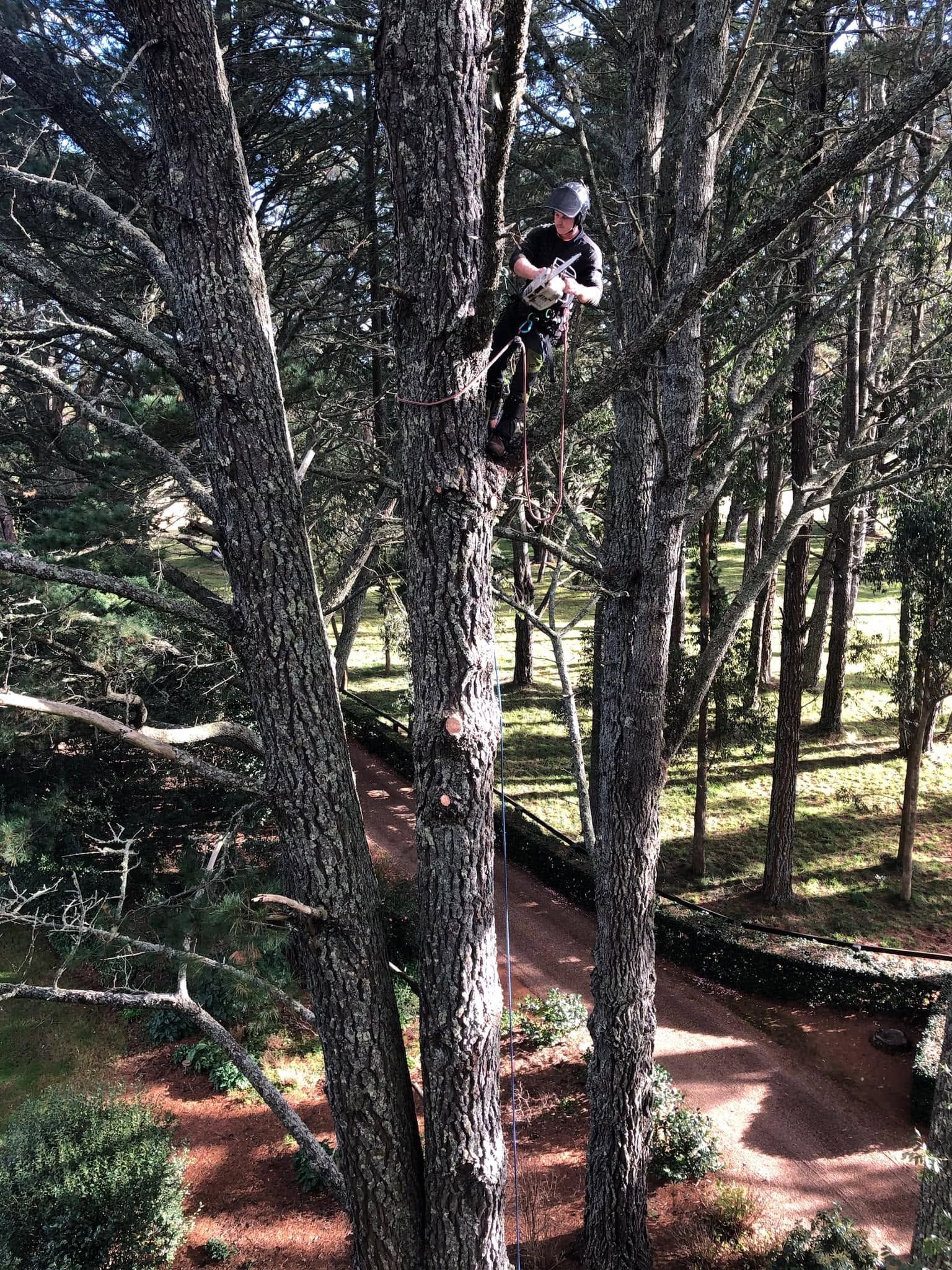
Tree pruning and thinning can also form part of ongoing vegetation management where appropriate, allowing canopy and understorey to be retained further from the home while fuel is reduced in the zones that matter most for property protection. Where a property borders a reserve, national park or other protected land, checking requirements with council or the relevant land manager before clearing near the boundary is worthwhile, since additional rules may apply on top of any 10/50 entitlement.
When to Bring In a Professional
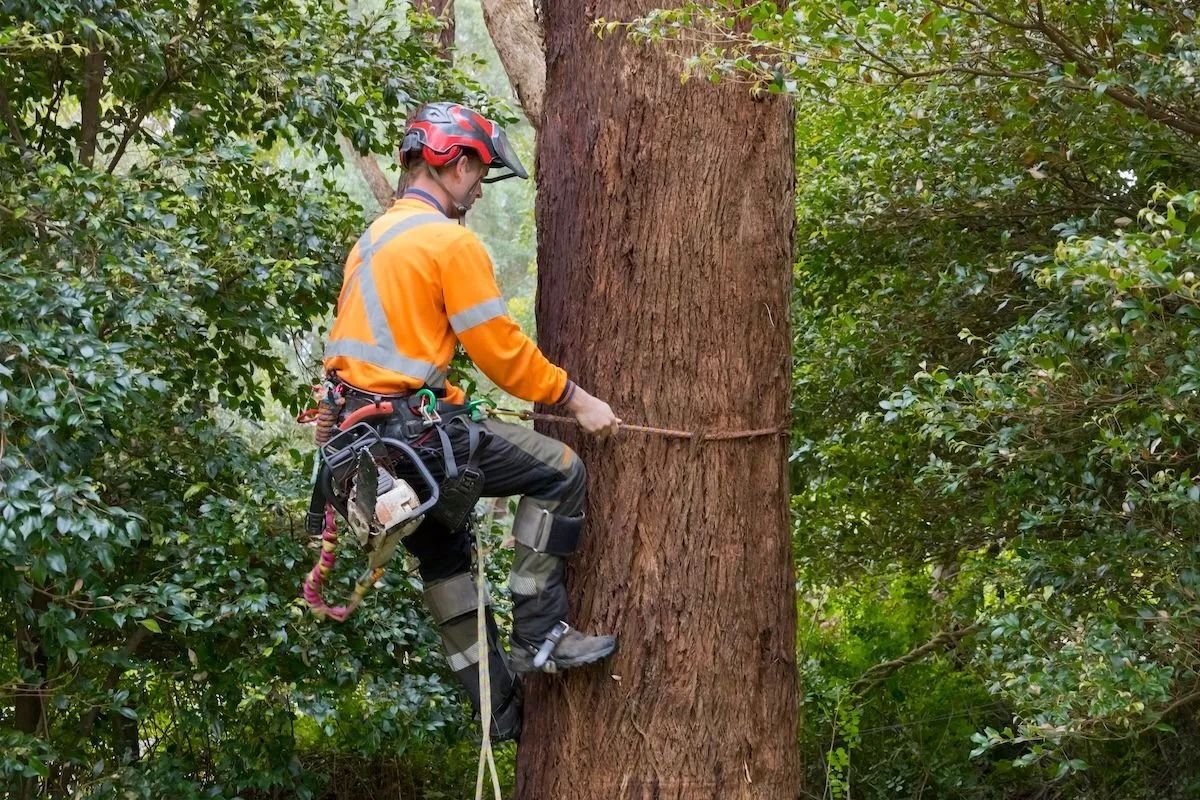
Some bushfire preparation work, like mowing grass or clearing light debris, is straightforward for most property owners to manage themselves. Other tasks carry real risk or compliance complexity: removing large or hazardous trees, working on steep escarpment terrain, assessing whether vegetation sits within a mapped entitlement area or managing clearing near a heritage site or waterway.
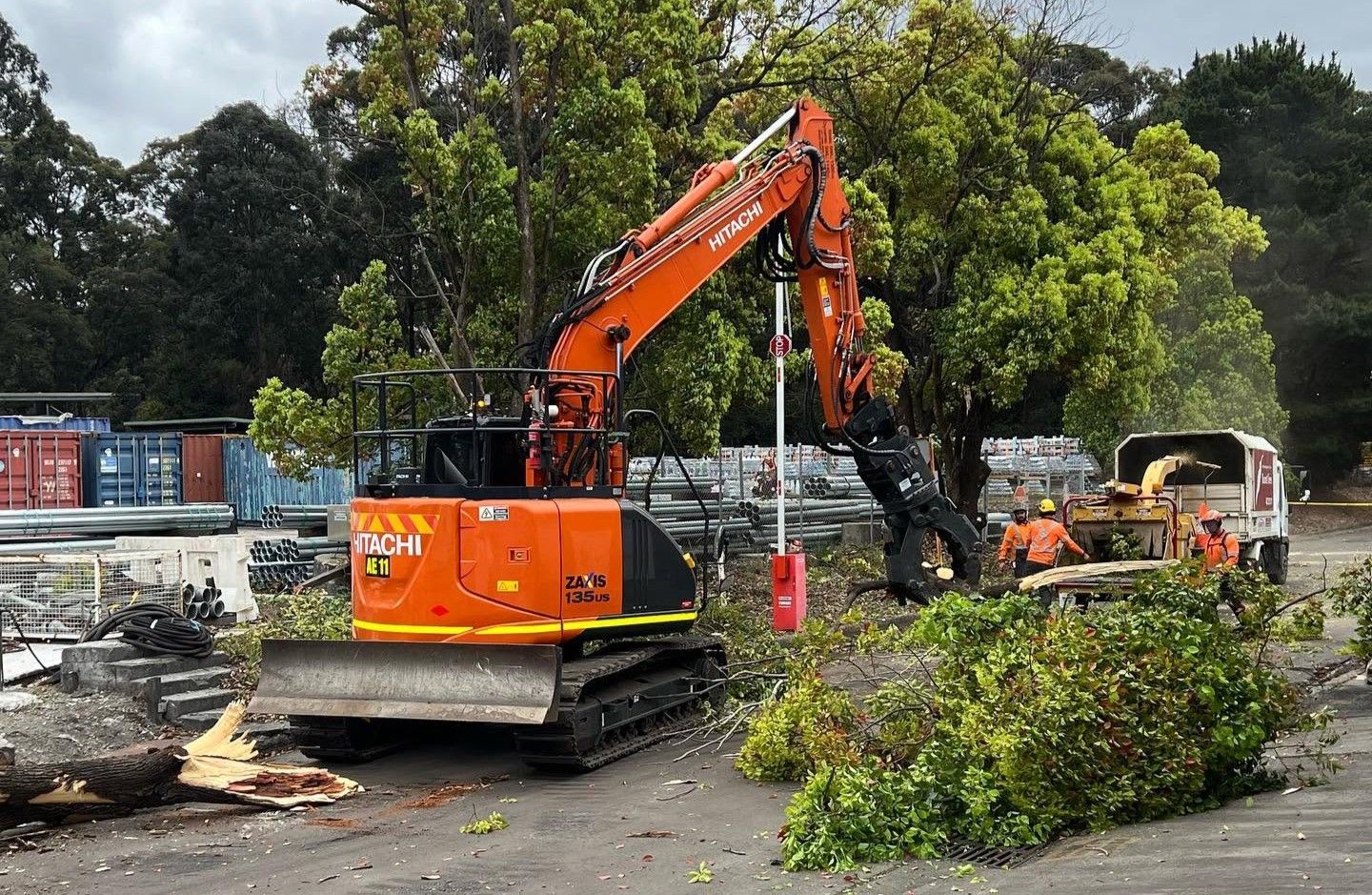
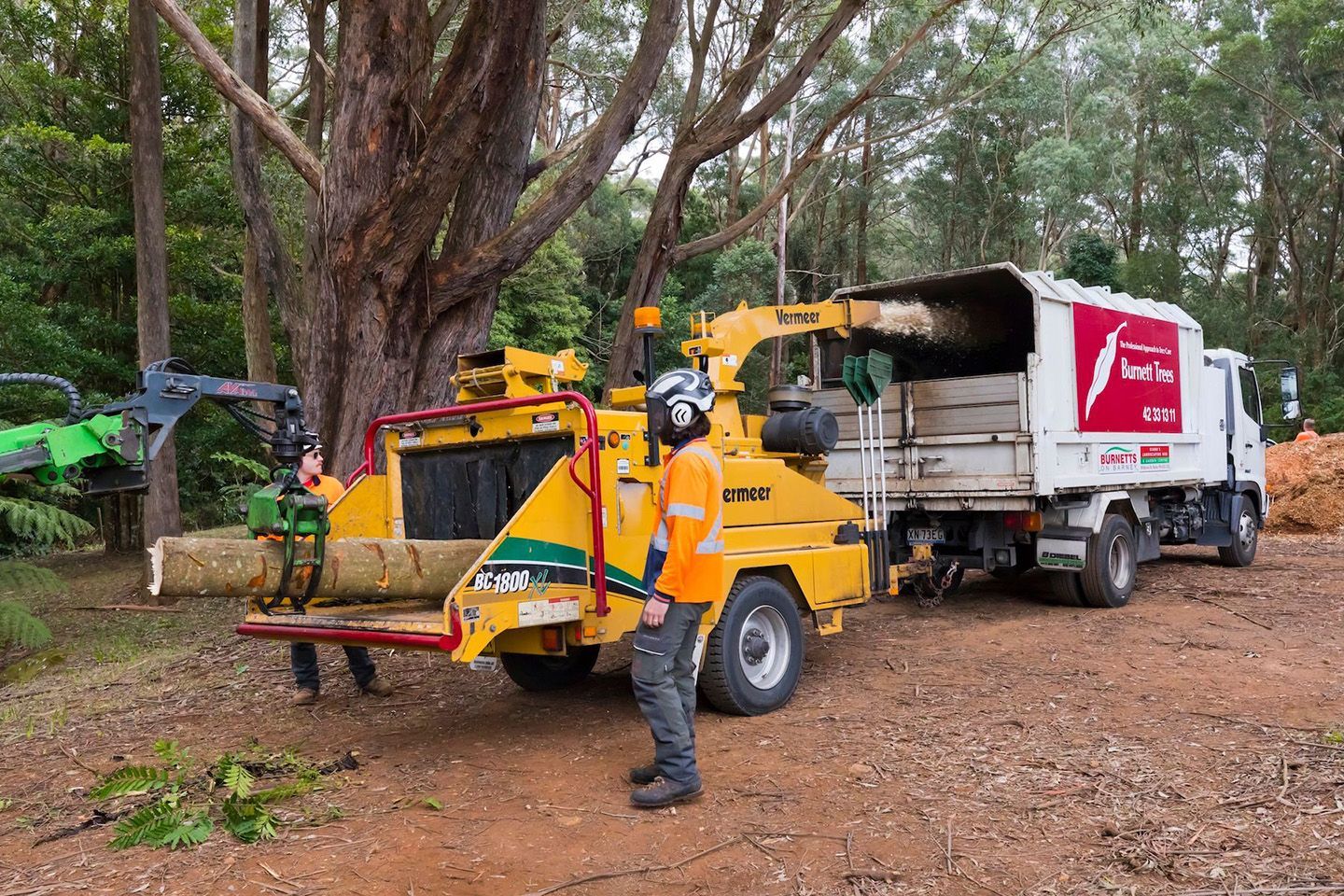
Professional land clearing in Wollongong can help property owners manage vegetation while considering site conditions and applicable requirements, including slope, tree health and proximity to sensitive areas.
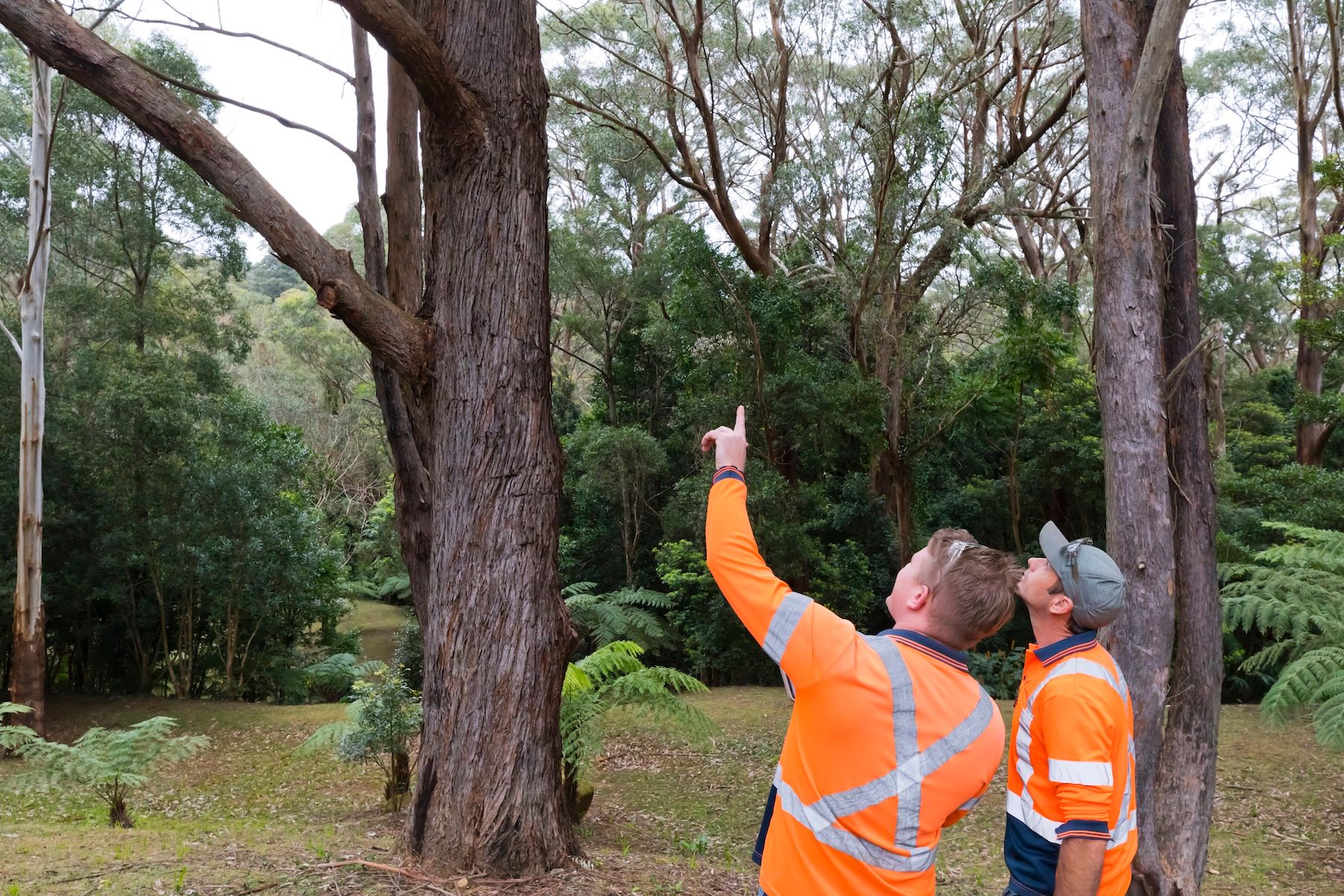
Our Wollongong arborists can assess vegetation and help property owners understand the appropriate approach for their site, though final confirmation of approval requirements or 10/50 eligibility should always come from the NSW RFS or relevant council, not from a contractor. An arborist's role is to carry out the clearing and pruning work safely and appropriately once that eligibility and scope have been established.
Prepare Your Property Before Summer
Bushfire season doesn't wait for a property to be ready, and fuel reduction work takes longer than most people expect once dense undergrowth, dead trees and overgrown firebreaks are factored in. Starting the assessment and clearing process now, well ahead of the fire danger period, gives enough time to do the work properly and revisit any areas that need a second pass.
If you're planning bushfire preparation work on a Wollongong property this year, get in touch with Burnett Trees to talk through what your site needs, whether that's a firebreak, an asset protection zone or broader land clearing in Wollongong, and how the work can be scheduled before conditions turn hazardous.
Frequently Asked Questions
What is the difference between a firebreak and defensible space?
A firebreak is typically a linear strip, often along a boundary, cleared to slow fire spread and give firefighters access. Defensible space is the broader area around a building, including the asset protection zone, managed to reduce fuel and radiant heat exposure to the structure itself.
How wide does an asset protection zone need to be?
There's no single fixed width. The NSW RFS determines appropriate APZ distances based on factors including vegetation type, slope and the nature of the development, as set out in Planning for Bush Fire Protection and the Standards for Asset Protection Zones.
Do I need approval to clear vegetation under the 10/50 Code?
If a property sits within a mapped 10/50 entitlement area and the clearing meets the Code's conditions, separate approval generally isn't required for that specific clearing. Eligibility varies by property, so this should be confirmed using the official NSW RFS 10/50 online tool before any clearing takes place.
Can I remove dead trees near my house without a permit?
This depends on the property's location, any local tree preservation controls and whether the tree falls within a mapped 10/50 entitlement area. Because rules vary by council and by site, it's worth checking with the NSW RFS tool and, where relevant, the local council before removing a dead tree.
How often should firebreaks and asset protection zones be maintained?
Vegetation regrows every season, so most Wollongong properties need at least an annual maintenance pass ahead of the fire danger period, with additional attention after wet periods that encourage faster grass and undergrowth growth.
Does clearing for bushfire safety affect protected vegetation or habitat
It can, particularly near reserves, national park or heritage-listed land. Targeted fuel reduction rather than broad clearing, combined with checking requirements with council or the relevant land manager, generally allows bushfire safety and vegetation protection to be managed together.